

This Post Contains Affiliate Links. Please Read Our Disclosure for Full Information.
Few things can ruin your day faster than a toothache. One moment you’re enjoying your favorite meal, and the next you’re dealing with throbbing pain that seems impossible to ignore.
Toothaches can happen for many reasons, including cavities, gum irritation, food trapped between teeth, cracked teeth, or dental infections. While home remedies may provide temporary relief, it’s important to remember that persistent or severe tooth pain should always be evaluated by a dentist.
That said, if you’re looking for ways to ease discomfort until you can get professional care, these proven at-home methods may help reduce pain and make you feel more comfortable.
1. Rinse with Warm Salt Water
One of the simplest and most effective home remedies for toothache relief is a warm salt water rinse.
Salt water helps clean the mouth, loosen trapped debris, and temporarily soothe irritated tissues. It may also help reduce inflammation around the affected area.
This remedy is inexpensive, easy to prepare, and often provides quick comfort.
Simply dissolve about half a teaspoon of salt in a glass of warm water and gently swish it around your mouth.
👉 Style Tip: Rinse for 30 seconds before spitting out the solution.
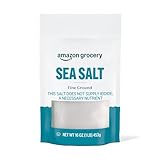
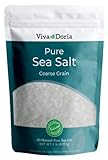
🛍 Shop here: Natural Sea Salt


2. Floss Carefully Around the Painful Tooth
Sometimes a toothache isn’t caused by a cavity at all.
Food particles trapped between teeth can irritate the gums and create surprisingly intense discomfort. Gently flossing the affected area may help remove debris and relieve pressure.
Be careful not to force the floss or irritate already-sensitive gums.
A few minutes of careful cleaning can occasionally solve the problem entirely.
👉 Style Tip: Use waxed floss if your teeth are tightly spaced.
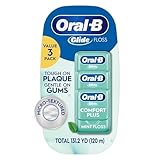
🛍 Shop here: Dental Floss


3. Apply a Cold Compress
A cold compress can be especially helpful if swelling accompanies your toothache.
Cold temperatures help numb the area and may reduce inflammation, making discomfort more manageable.
Wrap an ice pack or a bag of frozen vegetables in a towel and place it against the outside of your cheek near the painful tooth.
Avoid placing ice directly on the skin.
👉 Style Tip: Apply the cold compress for 15–20 minutes at a time.
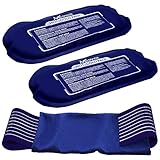
🛍 Shop here: Reusable Ice Pack


4. Use an Over-the-Counter Pain Reliever
Over-the-counter pain relievers may help reduce toothache discomfort temporarily.
When used according to package directions, medications such as ibuprofen or acetaminophen can help manage pain until you receive dental treatment.
Always follow label instructions and consult a healthcare professional if you have questions about medication safety.
Pain relief is not a substitute for addressing the underlying dental problem.
👉 Style Tip: Keep a small first-aid kit stocked with basic pain-relief essentials.
🛍 Shop here: Travel First Aid Kit


5. Avoid Extremely Hot or Cold Foods
Sensitive teeth often react strongly to temperature extremes.
Very hot coffee, ice cream, cold drinks, or steaming soups can worsen discomfort and trigger sharp pain.
Sticking with lukewarm foods and beverages may help prevent additional irritation.
Giving the affected tooth a break can sometimes make a noticeable difference.
👉 Style Tip: Sip beverages slowly to identify temperature triggers.
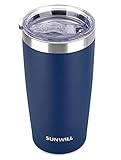
🛍 Shop here: Insulated Tumbler


6. Elevate Your Head While Sleeping
Many people notice that tooth pain becomes worse when lying down.
This can happen because blood flow to the head increases slightly when you’re flat, potentially intensifying throbbing sensations.
Using an extra pillow to elevate your head may help reduce pressure and make sleeping more comfortable.
Even small adjustments can improve nighttime comfort.
👉 Style Tip: Use a supportive pillow that keeps your neck aligned.
🛍 Shop here: Memory Foam Pillow


7. Keep the Area Clean
Maintaining good oral hygiene is especially important when dealing with a toothache.
Food particles, plaque, and bacteria can further irritate the affected tooth and surrounding tissues.
Brush gently, floss carefully, and continue your normal oral care routine unless instructed otherwise by your dentist.
Clean teeth often feel more comfortable than neglected ones.
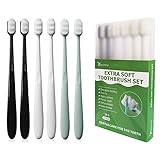
👉 Style Tip: Use a soft-bristled toothbrush to avoid irritating sensitive gums.
🛍 Shop here: Soft Bristle Toothbrush


8. Try Clove Oil Carefully
Clove oil has been used traditionally for tooth discomfort because it contains eugenol, a natural compound with numbing properties.
Some people find temporary relief by applying a small amount of diluted clove oil to the affected area.
However, clove oil can irritate tissues if used improperly, so it should be used cautiously and according to product instructions.
It’s best viewed as a temporary measure rather than a long-term solution.
👉 Style Tip: Always dilute essential oils according to package directions.
🛍 Shop here: Clove Oil


9. Avoid Chewing on the Painful Side
If chewing triggers discomfort, try giving the affected tooth a break.
Continuing to chew on a painful tooth can increase irritation and potentially worsen existing problems.
Choose softer foods and use the opposite side of your mouth whenever possible.
This simple adjustment can make eating more manageable.
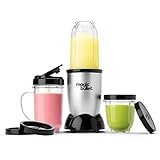
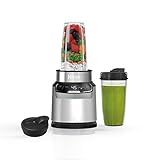
👉 Style Tip: Smoothies, yogurt, soups, and mashed vegetables are often easier to tolerate.
🛍 Shop here: Personal Blender


10. Know When to See a Dentist
Home remedies may help manage discomfort temporarily, but some symptoms require professional attention.
Seek dental care promptly if you experience severe pain, facial swelling, fever, pus, difficulty swallowing, difficulty breathing, or pain that persists for more than a day or two.
Dental infections can become serious if left untreated.
The sooner the underlying issue is identified, the sooner lasting relief can begin.
👉 Style Tip: Don’t wait until pain becomes unbearable before scheduling an appointment.
🛍 Shop here: Dental Travel Kit


Final Thoughts
A toothache can be incredibly uncomfortable, but several simple home remedies may provide temporary relief while you arrange professional dental care.
Warm salt water rinses, cold compresses, gentle flossing, proper oral hygiene, and avoiding triggers can often help make the situation more manageable.
Remember, home remedies are meant to ease symptoms—not replace treatment. Persistent or severe tooth pain deserves professional evaluation to identify and address the underlying cause.
Save this post to your Natural Health Tips, Home Remedies, or Dental Care Tips Pinterest board so you’ll have these toothache relief methods handy whenever you need them. 🦷✨💙
Discover more from Serenity Talks
Subscribe to get the latest posts sent to your email.


