


This Post Contains Affiliate Links. Please Read Our Disclosure for Full Information.
If you’ve tried every cleanser, serum, spot treatment, and skincare hack on the internet but still struggle with breakouts, it may be time to look beyond your skincare routine. While acne has many causes—including hormones, genetics, stress, and lifestyle factors—certain vitamins and nutrients can play an important role in supporting healthy skin from the inside out.
Your skin is your body’s largest organ, and it relies on a steady supply of nutrients to repair itself, regulate oil production, reduce inflammation, and maintain a healthy skin barrier. When you’re deficient in key vitamins, your skin may be more prone to acne, irritation, dullness, and slow healing.
While vitamins aren’t a miracle cure for acne, they can be a helpful part of an overall skin-health strategy when combined with a balanced diet, good skincare habits, and guidance from a healthcare professional.
Here are seven of the most important vitamins and nutrients that support clearer, healthier-looking skin.
1. Vitamin A
Vitamin A is often considered one of the most important nutrients for acne-prone skin. It helps regulate skin cell turnover, which means it can reduce the buildup of dead skin cells that contribute to clogged pores.
Many popular acne treatments, including prescription retinoids, are derived from Vitamin A. This nutrient also supports skin repair and may help reduce the appearance of post-acne marks over time.
Foods rich in Vitamin A include sweet potatoes, carrots, spinach, kale, pumpkin, and eggs.
👉 Skin Health Tip: Focus on getting Vitamin A from food sources unless advised otherwise by your healthcare provider, as excessive supplementation can be harmful.
🛍 Shop here: Vitamin+A+Supplement


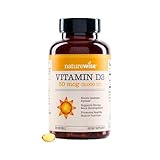
2. Vitamin D
Vitamin D plays a role in immune system function and may help support healthy inflammatory responses within the body. Since inflammation is often involved in acne development, maintaining adequate Vitamin D levels may benefit overall skin health.
Many people are deficient in Vitamin D, especially those who spend most of their time indoors or live in areas with limited sunlight.
Vitamin D can be obtained through sunlight exposure, fortified foods, fatty fish, egg yolks, and supplements when appropriate.
👉 Skin Health Tip: Ask your healthcare provider about a Vitamin D blood test if you suspect a deficiency.
🛍 Shop here: Vitamin+D3+Supplement



3. Vitamin C
Vitamin C is well known for its antioxidant properties and its role in collagen production. It helps protect skin from environmental stressors and supports the skin’s natural healing process.
For acne-prone skin, Vitamin C may help reduce the appearance of post-inflammatory hyperpigmentation—the dark marks that sometimes remain after breakouts heal.
Foods rich in Vitamin C include oranges, strawberries, kiwi, bell peppers, broccoli, and pineapple.
👉 Skin Health Tip: Pair Vitamin C-rich foods with a balanced diet to support overall skin health and healing.
🛍 Shop here: Vitamin+C+Supplement


4. Vitamin E
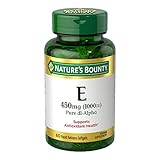
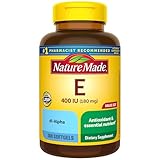
Vitamin E is another powerful antioxidant that helps protect skin cells from oxidative stress. It also supports skin barrier function and helps maintain moisture levels.
When combined with other skin-supporting nutrients, Vitamin E may contribute to healthier-looking skin and improved overall skin resilience.
Vitamin E is found naturally in foods such as almonds, sunflower seeds, avocados, spinach, and hazelnuts.
👉 Skin Health Tip: Healthy fats in your diet can help your body absorb Vitamin E more effectively.
🛍 Shop here: Vitamin+E+Supplement


5. Zinc
Although technically a mineral rather than a vitamin, zinc deserves a place on this list because of its strong connection to skin health.
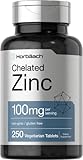
Zinc supports immune function, wound healing, and healthy inflammatory responses. Some research suggests that people with acne may have lower zinc levels than those with clear skin.
Foods rich in zinc include oysters, beef, pumpkin seeds, chickpeas, lentils, and nuts.
👉 Skin Health Tip: Avoid taking high-dose zinc supplements without medical guidance, as excessive intake can cause side effects.
🛍 Shop here: Zinc+Supplement


6. Vitamin B3 (Niacinamide)
Vitamin B3, also known as niacinamide, is a nutrient that supports skin barrier health and may help regulate oil production.
Niacinamide is often found in skincare products, but it’s also an important nutrient obtained through food sources such as chicken, turkey, tuna, mushrooms, peanuts, and brown rice.
A healthy skin barrier can help reduce irritation and improve overall skin appearance.
👉 Skin Health Tip: Both dietary niacinamide and topical niacinamide products may support healthier-looking skin.
🛍 Shop here: Vitamin+B3+Supplement


7. Omega-3 Fatty Acids
Like zinc, omega-3 fatty acids aren’t vitamins, but they are important nutrients for skin health. Omega-3s help support healthy inflammatory responses and may contribute to overall skin balance.
They are commonly found in fatty fish such as salmon, sardines, mackerel, and trout, as well as walnuts, flaxseeds, and chia seeds.
Many people do not consume enough omega-3-rich foods, making this nutrient worth paying attention to.
👉 Skin Health Tip: Aim to include omega-3-rich foods several times each week for overall health benefits.
🛍 Shop here: Omega+3+Fish+Oil


Final Thoughts
Healthy skin starts from the inside out. While no vitamin can instantly eliminate acne, getting enough key nutrients such as Vitamin A, Vitamin D, Vitamin C, Vitamin E, Zinc, Vitamin B3, and Omega-3 fatty acids can support overall skin health and help your skin function at its best.
The most effective approach is usually a combination of balanced nutrition, consistent skincare, adequate sleep, stress management, hydration, and professional medical advice when needed.
Remember that skin improvements often take time. Consistency is key, and supporting your body with the nutrients it needs can be one of the most powerful long-term investments you make for your skin.
Save this post for future reference and share it with anyone looking to support clearer, healthier-looking skin naturally.

Discover more from Serenity Talks
Subscribe to get the latest posts sent to your email.


