

This Post Contains Affiliate Links. Please Read Our Disclosure for Full Information.
You’ve probably heard people say their liver is “full of toxins.” In reality, your liver’s job is to process and remove waste products from your body every day. A healthy liver is incredibly effective at doing this on its own.
However, when the liver becomes damaged or isn’t functioning properly, certain symptoms can develop. Recognizing these warning signs early can help you seek appropriate medical care.
Important: These symptoms do not necessarily mean you have liver disease. Many conditions can cause similar symptoms. If you notice persistent or concerning symptoms, consult a healthcare professional.
1. Yellowing of the Skin or Eyes (Jaundice)
One of the most recognizable signs of liver problems is jaundice.
When the liver cannot properly process bilirubin, a yellow pigment produced during the breakdown of red blood cells, it can build up in the body.
This may cause:
- Yellow skin
- Yellowing of the whites of the eyes
- Dark urine
- Pale stools
Jaundice should always be evaluated by a healthcare provider.
👉 Health Tip: Don’t ignore even mild yellowing of the eyes.
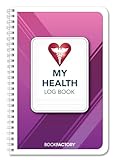
🛍 Shop here: Health Tracking Journal


2. Persistent Fatigue
Feeling tired after a busy day is normal.
However, ongoing fatigue that doesn’t improve with rest can sometimes be associated with liver disease.
People often describe it as:
- Constant exhaustion
- Low energy
- Difficulty concentrating
- Reduced motivation
Because fatigue has many possible causes, it’s important not to self-diagnose.
👉 Health Tip: Keep track of when fatigue occurs and discuss it with your doctor.
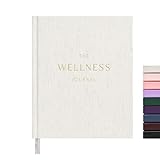
🛍 Shop here: Daily Wellness Planner



3. Pain or Discomfort in the Upper Right Abdomen
The liver sits in the upper right side of the abdomen.
Some liver conditions can cause:
- Dull aching pain
- Pressure
- Fullness
- Discomfort beneath the ribs
Persistent abdominal pain should never be ignored.
👉 Health Tip: Seek medical advice if pain is severe or ongoing.
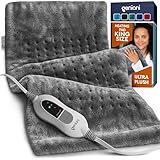
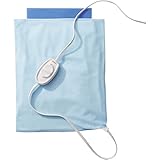
🛍 Shop here: Heating Pad



4. Unexplained Swelling
When liver disease becomes advanced, fluid can accumulate in different parts of the body.
You may notice:
- Swollen ankles
- Swollen feet
- Swollen legs
- Abdominal bloating
This type of swelling should be evaluated promptly.
👉 Health Tip: Sudden or significant swelling deserves medical attention.
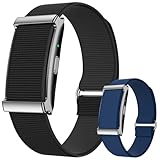
🛍 Shop here: Digital Health Tracker


5. Dark Urine and Pale Stools
Changes in urine or stool color can sometimes indicate liver or bile duct problems.
Warning signs include:
- Dark brown urine
- Pale or clay-colored stools
- Persistent color changes
These symptoms should be discussed with a healthcare professional, especially if they occur alongside jaundice.
👉 Health Tip: Hydration affects urine color, but persistent dark urine deserves attention.
🛍 Shop here: Water Bottle with Time Markers




6. Easy Bruising or Bleeding
The liver helps produce proteins involved in blood clotting.
When liver function is impaired, some people may experience:
- Frequent bruising
- Nosebleeds
- Bleeding gums
- Longer bleeding after minor injuries
This symptom can have many causes, but it should not be ignored.
👉 Health Tip: Take note if bruises appear without obvious injury.
🛍 Shop here: Medication Organizer


7. Persistent Itchy Skin
Chronic itching can sometimes occur with certain liver and bile duct disorders.
People may experience:
- Generalized itching
- Symptoms that worsen at night
- Itching without a visible rash
Persistent itching deserves medical evaluation, especially when accompanied by other symptoms on this list.
👉 Health Tip: Don’t assume chronic itching is always due to dry skin or allergies.
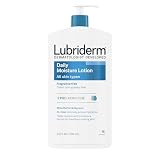
🛍 Shop here: Unscented Moisturizer


How to Support Liver Health Naturally
While “detoxes” and cleanses are heavily marketed, the best ways to support your liver are often the simplest:
Eat a Balanced Diet
Focus on fruits, vegetables, whole grains, lean proteins, and healthy fats.
Limit Excessive Alcohol
Heavy alcohol use can damage the liver over time.
Maintain a Healthy Weight
Excess body fat is linked to fatty liver disease.
Stay Active
Regular exercise supports overall metabolic health.
Take Medications as Directed
Some medications and supplements can affect the liver when misused.
Get Recommended Vaccinations
Vaccines can help protect against certain forms of viral hepatitis.
👉 Health Tip: Your liver already has a built-in detox system—healthy habits help it do its job.
🛍 Shop here: Healthy Recipe Cookbook


Final Thoughts
The phrase “liver full of toxins” isn’t a medical diagnosis, but certain symptoms can indicate that your liver may not be functioning properly.
Warning signs such as jaundice, persistent fatigue, abdominal discomfort, swelling, unusual bruising, dark urine, and chronic itching should never be ignored.
The earlier liver problems are identified, the better the chances of successful treatment and management.
Save this post to your Health Tips, Wellness Guide, or Healthy Living Pinterest board so you’ll always have these liver-health warning signs handy. 💚🌿✨
Discover more from Serenity Talks
Subscribe to get the latest posts sent to your email.


