

This Post Contains Affiliate Links. Please Read Our Disclosure for Full Information.
Turning 50 is a major milestone—and while it brings wisdom, confidence, and life experience, it also brings changes to your body that can affect your nutritional needs.
Many women notice that maintaining their weight becomes more challenging, energy levels fluctuate, muscle mass decreases, and certain health concerns become more important than ever before. The good news? Nutrition can play a powerful role in supporting healthy aging, strong bones, a healthy heart, stable energy, and overall well-being.
The key isn’t following restrictive diets or chasing the latest health trends. Instead, it’s about giving your body the nutrients it needs to thrive during this stage of life.
If you’re looking to feel your best after 50, this guide will help you understand the most important nutrition priorities and simple habits that can support healthy aging.
1. Prioritize Protein at Every Meal
One of the biggest nutritional shifts after age 50 is the importance of protein.
As we age, we naturally lose muscle mass in a process known as age-related muscle loss. Maintaining adequate protein intake can help support muscle maintenance, strength, mobility, and independence.
Protein also helps you stay full longer, which may support healthy weight management.
Excellent protein sources include eggs, fish, chicken, Greek yogurt, cottage cheese, beans, lentils, tofu, and lean meats.
Rather than eating most of your protein at dinner, try spreading it throughout the day.
👉 Style Tip: Aim to include a quality protein source at every meal and snack.
🛍 Shop here: Protein Meal Prep Containers

2. Focus on Bone-Building Nutrients
Bone health becomes increasingly important after menopause.
Changes in hormone levels can accelerate bone loss, increasing the risk of osteoporosis and fractures.
Calcium and vitamin D are particularly important nutrients for supporting bone health.
Foods like dairy products, fortified plant milks, leafy greens, sardines, and calcium-fortified foods can help contribute to your daily intake.
Vitamin D helps the body absorb calcium effectively.
👉 Style Tip: Pair calcium-rich foods with sources of vitamin D whenever possible.
🛍 Shop here: Vitamin D Supplement Organizer

3. Eat More Fiber
Fiber is one of the most underrated nutrients for women over 50.
It supports digestion, promotes fullness, helps maintain stable blood sugar levels, and contributes to heart health.
Many adults consume far less fiber than recommended.
Excellent sources include fruits, vegetables, beans, lentils, oats, chia seeds, flaxseeds, and whole grains.
Increasing fiber gradually and drinking plenty of water can help improve comfort.
👉 Style Tip: Add a serving of vegetables to both lunch and dinner.
🛍 Shop here: Glass Meal Prep Containers

4. Don’t Fear Healthy Fats
For years, dietary fat received an unfair reputation.
In reality, healthy fats are essential for hormone production, nutrient absorption, brain health, and heart health.
Focus on sources such as avocados, olive oil, nuts, seeds, and fatty fish.
These foods can help support overall wellness while making meals more satisfying.
Balance is key.
👉 Style Tip: Drizzle olive oil over vegetables instead of using heavy processed dressings.
🛍 Shop here: Extra Virgin Olive Oil

5. Stay Hydrated
Many women become less sensitive to thirst as they age.
This can increase the risk of mild dehydration, which may contribute to fatigue, headaches, dry skin, constipation, and reduced concentration.
Drinking water consistently throughout the day is one of the simplest ways to support your health.
Hydration also supports digestion, circulation, and temperature regulation.
Don’t wait until you’re thirsty to drink.
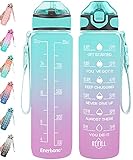
👉 Style Tip: Keep a refillable water bottle nearby throughout the day.
🛍 Shop here: Motivational Water Bottle
6. Choose Heart-Healthy Foods
Heart health becomes increasingly important with age.
A dietary pattern rich in fruits, vegetables, whole grains, beans, nuts, seeds, and healthy fats can support cardiovascular health.
Limiting highly processed foods and excessive sodium may also be beneficial.
Small daily habits often have a bigger impact than dramatic dietary changes.
Think long-term rather than short-term.
👉 Style Tip: Fill half your plate with colorful vegetables whenever possible.
🛍 Shop here: Healthy Recipe Cookbook

7. Support Gut Health
Your digestive system plays an important role in overall wellness.
Foods containing fiber and naturally fermented foods may help support a healthy gut environment.
Options include yogurt with live cultures, kefir, sauerkraut, kimchi, and other fermented foods.
A healthy digestive system often contributes to better comfort and overall health.
Variety matters.
👉 Style Tip: Try adding one fermented food to your meals several times per week.
🛍 Shop here: Glass Fermentation Jars

8. Watch Added Sugar Intake
Sugar isn’t inherently bad, but consuming large amounts of added sugar can make it harder to maintain overall health goals.
Many processed foods and beverages contain more sugar than people realize.
Reducing added sugars may support weight management, energy levels, and overall wellness.
The goal isn’t perfection—it’s awareness.
Small reductions often make a meaningful difference.
👉 Style Tip: Check labels on drinks, sauces, and packaged snacks.
🛍 Shop here: Glass Food Storage Containers

9. Include Plenty of Colorful Produce
Different colored fruits and vegetables provide different vitamins, minerals, and antioxidants.
A colorful plate often means a wider variety of nutrients.
Berries, leafy greens, carrots, tomatoes, bell peppers, sweet potatoes, and citrus fruits are excellent choices.
Think of color as a simple nutrition strategy.
The more variety, the better.
👉 Style Tip: Challenge yourself to include at least three different colors at every meal.
🛍 Shop here: Produce Storage Containers

10. Be Mindful of Portion Sizes
As metabolism naturally changes with age, calorie needs may decrease slightly for some women.
This doesn’t mean eating less food overall—it means prioritizing nutrient-dense foods that provide more nutrition per calorie.
Protein, vegetables, fruits, and whole foods can help you feel satisfied while supporting health goals.
Listening to hunger and fullness cues becomes increasingly valuable.
Nutrition isn’t about restriction—it’s about nourishment.
👉 Style Tip: Eat slowly and give your body time to recognize fullness.
🛍 Shop here: Portion Control Plates

11. Prioritize Magnesium-Rich Foods
Magnesium is involved in hundreds of processes throughout the body.
It plays a role in muscle function, nerve function, energy production, and sleep quality.
Good food sources include nuts, seeds, legumes, leafy greens, and whole grains.
Many women don’t realize how important this mineral is for overall wellness.
Adding more magnesium-rich foods can be a simple nutritional upgrade.
👉 Style Tip: Sprinkle pumpkin seeds onto salads and yogurt bowls.
🛍 Shop here: Organic Pumpkin Seeds

12. Think Lifestyle, Not Diet
Perhaps the most important nutrition lesson after 50 is this: sustainable habits beat restrictive diets every time.
Quick fixes rarely produce lasting results.
Building meals around protein, fiber, healthy fats, fruits, vegetables, and whole foods creates a foundation that supports long-term health and enjoyment.
Nutrition should help you live better—not make life more stressful.
The goal isn’t perfection. The goal is consistency.
👉 Style Tip: Focus on one healthy habit at a time instead of changing everything at once.
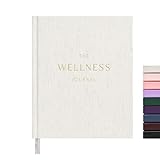
🛍 Shop here: Wellness Planner Journal
Final Thoughts
Your 50s can be one of the healthiest, strongest, and most vibrant decades of your life.
The key is giving your body the nutrients it needs to support healthy aging, maintain muscle, protect bones, support heart health, and keep your energy levels high.
You don’t need a perfect diet. You simply need a consistent approach that prioritizes nourishing foods and sustainable habits.
Remember, every healthy meal is an investment in your future self.
Save this post to your Healthy Aging, Women’s Wellness, or Nutrition Over 50 Pinterest board so you can revisit these nutrition tips whenever you need inspiration for healthier choices. ✨🥗💙🌿
Discover more from Serenity Talks
Subscribe to get the latest posts sent to your email.


