

This Post Contains Affiliate Links. Please Read Our Disclosure for Full Information.
Japan is often admired for its culture of longevity, mindful eating, and active lifestyles. While there’s no secret formula that guarantees weight loss, many traditional Japanese habits naturally encourage balanced nutrition, portion awareness, and daily movement.
Unlike crash diets or extreme fitness programs, many Japanese wellness practices focus on consistency and sustainability. These habits are often simple enough to fit into everyday life, making them easier to maintain long term.
If you’re looking for practical and realistic ways to support your weight-loss journey, here are 10 Japanese-inspired habits worth trying.
1. Practice “Hara Hachi Bu”
One of the most famous Japanese eating principles is called Hara Hachi Bu, which means eating until you’re about 80% full.
Rather than eating until you feel stuffed, this approach encourages paying attention to hunger and fullness signals. It allows your body time to recognize satisfaction before overeating occurs.
Many people eat quickly and continue eating long after they’ve had enough. Slowing down and stopping when comfortably satisfied can be a helpful strategy for portion control.
👉 Japanese Wellness Tip: Pause halfway through your meal and assess your hunger level.
🛍 Shop here: Mindful Eating Journal

2. Eat Smaller Portions
Traditional Japanese meals often emphasize variety rather than large serving sizes.
Instead of one oversized plate, meals frequently include several smaller dishes featuring vegetables, fish, rice, soup, and other nutrient-dense foods.
This approach allows you to enjoy different flavors while naturally managing portion sizes.
👉 Japanese Wellness Tip: Use smaller plates and bowls to encourage portion awareness.
🛍 Shop here: Japanese Style Dinnerware Set

3. Prioritize Whole Foods
Traditional Japanese cuisine often centers around minimally processed foods.
Fish, vegetables, seaweed, tofu, rice, legumes, and fermented foods are common staples. These foods provide nutrients that support overall health and help create satisfying meals.
Building your diet around whole foods can help reduce reliance on highly processed snacks and fast food.
👉 Japanese Wellness Tip: Focus on adding more nutritious foods before eliminating favorite treats.
🛍 Shop here: Glass Meal Prep Containers

4. Walk More Throughout the Day
Walking is deeply integrated into daily life in many parts of Japan.
Rather than relying exclusively on structured workouts, many people naturally accumulate movement through commuting, errands, and daily activities.
Increasing your daily step count can contribute significantly to overall calorie expenditure.
👉 Japanese Wellness Tip: Aim to add short walks after meals whenever possible.
🛍 Shop here: Fitness Tracker Watch

5. Eat Slowly and Mindfully
Meals in Japan are often viewed as experiences to be appreciated rather than rushed through.
Eating slowly allows you to enjoy flavors, textures, and aromas while giving your body time to recognize fullness.
Mindful eating may help reduce overeating and improve satisfaction with meals.
👉 Japanese Wellness Tip: Put your utensils down occasionally between bites.
🛍 Shop here: Mindfulness Journal

6. Include More Soup in Meals
Traditional Japanese meals often begin with soup, such as miso soup.
Soup can add volume to a meal without dramatically increasing calories, helping you feel satisfied while supporting hydration.
Many people find that starting with soup encourages slower eating and greater meal satisfaction.
👉 Japanese Wellness Tip: Choose vegetable-rich soups when possible.
🛍 Shop here: Japanese Soup Bowl Set

7. Drink Green Tea Regularly
Green tea is one of Japan’s most iconic beverages.
It contains natural antioxidants and serves as a low-calorie alternative to sugary drinks. Many people enjoy green tea throughout the day as part of a healthy lifestyle.
Replacing high-calorie beverages with unsweetened tea can help reduce overall calorie intake.
👉 Japanese Wellness Tip: Enjoy green tea without added sugar whenever possible.
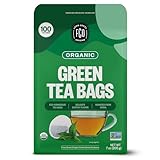
🛍 Shop here: Organic Green Tea Bags
8. Choose Fish More Often
Fish is a common protein source in traditional Japanese diets.
It provides high-quality protein and healthy fats while often being lower in saturated fat than some processed meats.
Including fish as part of a balanced diet may support overall health and help create satisfying meals.
👉 Japanese Wellness Tip: Try incorporating fish into your weekly meal plan.
🛍 Shop here: Omega 3 Fish Oil Supplement

9. Avoid Constant Snacking
Traditional Japanese eating patterns often emphasize structured meals rather than continuous grazing throughout the day.
While snacks can absolutely fit into a healthy diet, frequent mindless snacking may lead to excess calorie consumption.
Being intentional about when and why you eat can support weight-management goals.
👉 Japanese Wellness Tip: Ask yourself whether you’re truly hungry before reaching for a snack.
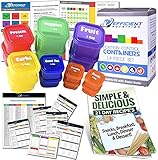
🛍 Shop here: Healthy Portion Control Containers
10. Focus on Consistency Instead of Perfection
Perhaps the most important lesson from Japanese wellness culture is the value of consistency.
Long-term success rarely comes from extreme diets or short bursts of motivation. Instead, sustainable habits practiced day after day often produce the best results.
Small improvements may seem insignificant at first, but they add up over months and years.
👉 Japanese Wellness Tip: Focus on progress, not perfection.
🛍 Shop here: Habit Tracker Journal

Final Thoughts
The Japanese approach to weight management isn’t centered around deprivation or extreme rules. Instead, it emphasizes mindful eating, balanced meals, daily movement, portion awareness, and sustainable habits.
While no single strategy guarantees weight loss, incorporating these principles into your lifestyle may help you develop healthier routines that are easier to maintain long term.
Remember, lasting results usually come from small habits practiced consistently—not dramatic changes that are impossible to sustain.
Save this post to your Weight Loss Tips, Healthy Habits, or Japanese Wellness Inspiration Pinterest board so you can revisit these simple yet effective strategies whenever you need motivation on your health journey.
Discover more from Serenity Talks
Subscribe to get the latest posts sent to your email.


