

This Post Contains Affiliate Links. Please Read Our Disclosure for Full Information.
Your gut and immune system are more connected than you might think. The digestive tract is home to a huge community of microorganisms, and diet plays an important role in supporting a diverse, healthy gut microbiome. Fiber-rich plant foods provide fuel for beneficial microbes, while some fermented foods provide live microorganisms. (The Nutrition Source)
Instead of looking for one magical “immune-boosting” food, focus on variety. These gut-friendly foods that also support a healthy immune system are easy additions to balanced meals and snacks, from creamy yogurt and kefir to berries, oats, beans, garlic, and leafy greens.
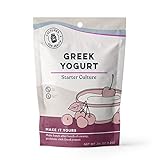
1. Greek Yogurt
Greek yogurt with live and active cultures is an easy way to add protein and potentially beneficial microorganisms to your diet. Pair it with fruit, oats, or seeds for a simple breakfast that combines protein, fiber, and gut-friendly ingredients.
💡 Wellness Tip: Look for yogurt labels that specifically mention live and active cultures.
🛍 Shop: Browse the best Greek Yogurt Starter Kit on Amazon
2. Kefir
Kefir is a fermented drink traditionally made with milk and live cultures. It can be enjoyed on its own or blended into smoothies, making it an easy way to include fermented foods alongside a fiber-rich diet.
💡 Wellness Tip: Start with a small serving if fermented foods are new to your routine.
🛍 Shop: Browse the best Kefir Grains Starter Kit on Amazon

3. Oatmeal
Oats provide soluble fiber that can become part of the food supply for beneficial gut microbes. A warm bowl topped with berries, bananas, nuts, or seeds makes an especially easy nutrient-packed breakfast.
💡 Wellness Tip: Add fruit and seeds instead of relying heavily on added sugar.
🛍 Shop: Browse the best Overnight Oats Containers on Amazon

4. Bananas
Bananas provide fiber and naturally occurring carbohydrates that can fit beautifully into a gut-friendly eating pattern. They’re also convenient enough to add to smoothies, oatmeal, yogurt bowls, or simply enjoy as a snack.
💡 Wellness Tip: Pair a banana with nut butter for a more satisfying snack.
🛍 Shop: Browse the best Nut Butter Spreader on Amazon

5. Blueberries
Blueberries provide fiber and a variety of plant compounds while adding natural sweetness to meals. Toss them into yogurt, oatmeal, smoothies, or salads for an easy colorful addition to your diet.
💡 Wellness Tip: Keep frozen berries on hand for convenient smoothies and breakfast bowls.
🛍 Shop: Browse the best Smoothie Blender on Amazon

6. Garlic
Garlic contains prebiotic compounds that can help provide food for beneficial gut microbes. It also adds plenty of flavor to vegetables, soups, grains, beans, and homemade sauces without needing complicated ingredients.
💡 Wellness Tip: Add minced garlic to roasted vegetables or homemade soups for an easy flavor boost.
🛍 Shop: Browse the best Garlic Press on Amazon

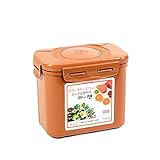
7. Kimchi
Kimchi is a fermented vegetable dish traditionally made with cabbage and seasonings. Some kimchi products contain live microorganisms, so checking the label can help you choose a version that fits your goals.
💡 Wellness Tip: Choose refrigerated varieties that indicate live cultures when available.
🛍 Shop: Browse the best Kimchi Fermentation Jar on Amazon
8. Sauerkraut
Sauerkraut provides fermented cabbage and can add both vegetables and interesting flavors to meals. When it hasn’t been heat-treated after fermentation, some varieties may contain live microorganisms.
💡 Wellness Tip: Add a spoonful to grain bowls, sandwiches, or roasted vegetables.
🛍 Shop: Browse the best Fermentation Crock Jar on Amazon

9. Lentils
Lentils are rich in fiber and plant-based protein, making them a fantastic foundation for gut-friendly meals. Their versatility means you can add them to soups, curries, salads, bowls, or homemade veggie dishes.
💡 Wellness Tip: Increase fiber gradually if your usual diet is low in fiber.
🛍 Shop: Browse the best Lentil Soup Pot on Amazon

10. Chickpeas
Chickpeas provide fiber, plant protein, and a satisfying texture that works in everything from hummus to salads. Adding legumes regularly can help increase the variety of plant foods in your overall diet.
💡 Wellness Tip: Add roasted chickpeas to salads for a crunchy topping.
🛍 Shop: Browse the best Chickpea Roasting Pan on Amazon

11. Leafy Greens
Spinach, kale, and other leafy greens provide fiber along with a range of vitamins, minerals, and plant compounds. Adding different vegetables throughout the week helps create the dietary variety associated with a healthy eating pattern.
💡 Wellness Tip: Mix leafy greens into soups, omelets, smoothies, and grain bowls.
🛍 Shop: Browse the best Salad Spinner on Amazon

12. Asparagus
Asparagus contains prebiotic fibers that can be fermented by gut microbes. Roast it with olive oil, add it to grain bowls, or serve it alongside a protein-rich meal for an easy vegetable upgrade.
💡 Wellness Tip: Roast asparagus with garlic and lemon for a simple weeknight side.
🛍 Shop: Browse the best Vegetable Roasting Pan on Amazon

13. Walnuts
Walnuts provide fiber, plant protein, and unsaturated fats, making them a nutrient-dense addition to snacks and meals. Sprinkle them over yogurt, oatmeal, salads, or roasted vegetables for extra crunch.
💡 Wellness Tip: Keep portions moderate and choose unsalted nuts when possible.
🛍 Shop: Browse the best Glass Nut Storage Jar on Amazon

14. Chia Seeds
Chia seeds are tiny but packed with fiber and can easily be incorporated into everyday meals. Their ability to absorb liquid makes them especially useful in overnight oats, smoothies, and homemade chia pudding.
💡 Wellness Tip: Add them gradually and drink enough fluids alongside a higher-fiber diet.
🛍 Shop: Browse the best Chia Seed Pudding Jar Set on Amazon

15. Miso
Miso is a fermented soybean paste commonly used in soups, sauces, marinades, and dressings. It brings savory flavor to meals while adding another fermented food option to a varied, plant-rich diet.
💡 Wellness Tip: Stir miso into warm—not boiling—liquid when you want to preserve more of its live cultures.
🛍 Shop: Browse the best Miso Soup Bowl Set on Amazon

Conclusion
Building a gut-friendly eating pattern doesn’t require complicated recipes or expensive specialty foods. A varied diet that includes fiber-rich fruits, vegetables, legumes, whole grains, nuts, seeds, and appropriate fermented foods can help support a healthy gut microbiome, while overall nutrient variety supports normal immune function. (The Nutrition Source)
Try adding these foods gradually and rotating different options throughout the week rather than relying on one “superfood.” If you’re increasing fiber quickly, doing so gradually can help reduce temporary bloating or digestive discomfort. (The Nutrition Source)
This article is for general nutrition information and isn’t a substitute for individualized medical advice.
Discover more from Serenity Talks
Subscribe to get the latest posts sent to your email.


