

This Post Contains Affiliate Links. Please Read Our Disclosure for Full Information.
Some nights, your body is tired but your brain is acting like it just opened 47 tabs at once. You’re replaying conversations, thinking about tomorrow’s tasks, worrying about random things, and somehow remembering every unfinished responsibility the second your head hits the pillow.
A calming bedtime routine can help your mind slow down, your body feel safer, and your nervous system shift out of “go-go-go” mode. You do not need a perfect wellness routine or two hours of free time. Even a few simple bedtime habits can make your evenings feel softer, calmer, and way less overwhelming.
If your nights feel stressful, anxious, or mentally cluttered, these bedtime habits can help you create a more peaceful wind-down routine that actually feels doable.
1. Create a Consistent Bedtime Window
Going to bed around the same time each night can help your body know when it is time to slow down. A consistent bedtime window creates rhythm, which can make evenings feel less chaotic and more predictable.
This does not mean you need to be asleep at the exact same minute every night. Life happens. But giving yourself a regular wind-down time can make your nervous system feel more settled.
When your body starts expecting rest, falling asleep can feel less like a battle and more like a natural transition.
👉 Style Tip: Choose a realistic 30-minute bedtime window instead of aiming for a perfect strict schedule.
🛍 Shop here: Bedtime+Routine+Planner

2. Do a 10-Minute Brain Dump
A brain dump is one of the best habits for mental overload. Instead of keeping every worry, task, reminder, and random thought in your head, write it all down before bed.
You can list tomorrow’s tasks, things bothering you, appointments, ideas, worries, or anything your brain keeps repeating. The goal is not to solve everything at night. The goal is to move the thoughts out of your mind and onto paper.
This can help your brain feel less responsible for remembering everything while you are trying to sleep.
👉 Style Tip: Keep a notebook beside your bed so you can quickly write thoughts down instead of spiraling.
🛍 Shop here: Brain+Dump+Journal

3. Plan Tomorrow Before You Sleep
A little planning at night can reduce that anxious “what am I forgetting?” feeling. Before bed, write down your top priorities, outfit idea, morning tasks, or anything you need to take with you.
This helps your morning feel smoother and gives your mind permission to rest. When tomorrow already has a simple plan, you do not need to mentally rehearse it all night.
Keep it short and realistic. A giant to-do list before bed can create more stress, so focus only on the essentials.
👉 Style Tip: Choose your top 3 priorities for tomorrow instead of writing an overwhelming list.
🛍 Shop here: Daily+Planner+Notepad

4. Put Your Phone Away Earlier
Scrolling at night can keep your brain overstimulated, especially if you are switching between social media, messages, news, and random videos. Even when it feels relaxing, your mind may still be taking in too much information.
Try creating a phone cutoff time before bed. It does not have to be dramatic. Even 20–30 minutes without your phone can help your evening feel calmer.
Replace scrolling with something softer like reading, journaling, stretching, skincare, or listening to calming music.
👉 Style Tip: Charge your phone across the room so it is not the last thing you touch before sleeping.
🛍 Shop here: Phone+Charging+Station

5. Dim the Lights in Your Room
Bright lights can make your brain feel like it is still daytime. Dimming your lights in the evening creates a soft signal that the day is ending and your body can begin winding down.
Use lamps, fairy lights, candles, or warm bulbs instead of harsh overhead lighting. This creates a cozy atmosphere that feels comforting after a stressful day.
A softer environment can make your bedroom feel more peaceful and less stimulating.
👉 Style Tip: Switch to warm lighting at least 30 minutes before bed to create a cozy sleep-ready mood.
🛍 Shop here: Warm+Bedside+Lamp

6. Try Gentle Stretching
Stress often lives in the body, not just the mind. Gentle stretching before bed can help release tension from your shoulders, neck, back, and hips.
You do not need an intense yoga session. A few slow stretches on your bed or floor can help your body feel softer and more relaxed.
Pair stretching with deep breathing for an even calmer effect. Think of it as telling your body, “We are safe now. We can rest.”
👉 Style Tip: Focus on slow, comfortable stretches instead of pushing for flexibility.
🛍 Shop here: Yoga+Mat+For+Bedroom

7. Practice Slow Breathing
Slow breathing is simple, free, and surprisingly powerful when your mind feels anxious. It helps shift your body away from stress mode and toward rest mode.
Try inhaling slowly through your nose, holding for a moment, and exhaling longer than you inhale. Longer exhales can feel especially calming when your body is tense.
You can do this in bed, during skincare, or anytime your thoughts start racing.
👉 Style Tip: Try 4 seconds in, 6 seconds out for a gentle bedtime breathing rhythm.
🛍 Shop here: Guided+Breathing+Cards

8. Keep Your Bedtime Routine Simple
A bedtime routine should reduce stress, not become another complicated checklist. If your routine has too many steps, you may avoid it completely when you are tired.
Choose 3–5 habits that feel calming and realistic. For example: skincare, tea, brain dump, stretch, lights off. That is enough.
Consistency matters more than perfection. A simple routine you actually do will help more than a dreamy 12-step routine you never start.
👉 Style Tip: Build a “minimum effort routine” for stressful nights when you only have 10 minutes.
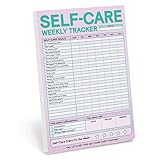
🛍 Shop here: Self+Care+Checklist+Pad
9. Sip a Calming Herbal Tea
A warm drink can become a beautiful signal that the day is ending. Herbal teas like chamomile, lavender, lemon balm, peppermint, or passionflower can feel soothing and cozy before bed.
The ritual matters just as much as the tea itself. Holding a warm mug, slowing down, and sipping quietly can help your mind transition out of busy mode.
Avoid drinking too much right before sleep if it makes you wake up at night.
👉 Style Tip: Create a small bedtime tea station so your evening ritual feels easy and comforting.
🛍 Shop here: Bedtime+Herbal+Tea

10. Create a Worry List and a Next Step
If anxious thoughts keep looping, try writing a worry list with one tiny next step beside each worry. This helps your brain feel less stuck.
For example, if you are worried about an appointment, write “confirm time tomorrow.” If you are stressed about money, write “check budget after breakfast.” The goal is not solving life at midnight. It is giving your mind a place to put the worry.
This habit turns vague anxiety into something more manageable.
👉 Style Tip: Keep next steps tiny, realistic, and scheduled for tomorrow — not bedtime.
🛍 Shop here: Anxiety+Relief+Journal

11. Do a Quick Bedroom Reset
A cluttered room can make your mind feel more cluttered too. You do not need a full cleaning session before bed, but a tiny reset can help your space feel calmer.
Put clothes in a basket, clear your nightstand, throw away trash, and place tomorrow’s essentials where you can find them. Even five minutes can make the room feel lighter.
A calmer bedroom makes it easier to relax because your environment is not visually shouting at you.
👉 Style Tip: Set a 5-minute timer and only clean what you can finish in that time.
🛍 Shop here: Bedroom+Storage+Basket

12. Use a Comforting Scent
Scent can make your bedtime routine feel softer and more relaxing. Lavender, vanilla, sandalwood, chamomile, and clean linen scents can create a cozy atmosphere that tells your brain it is time to wind down.
You can use a pillow spray, diffuser, body lotion, candle before bed, or essential oil roller. Just choose something gentle and not overwhelming.
A signature bedtime scent can become a calming cue your body starts to recognize.
👉 Style Tip: Use the same scent every night so your brain associates it with rest.
🛍 Shop here: Lavender+Pillow+Spray

13. Read Something Light
Reading before bed can be a beautiful alternative to scrolling. It gives your brain something gentle to focus on without the stimulation of notifications and endless content.
Choose something light, comforting, or inspiring. Avoid intense thrillers, heavy work material, or anything that makes your mind more active if you are trying to relax.
Even 10 pages can help create a slower nighttime rhythm.
👉 Style Tip: Keep a calming book on your nightstand so it is easier to choose reading over your phone.
🛍 Shop here: Cozy+Bedtime+Reading+Book

14. Try a Gratitude List
When your mind is focused on everything wrong, gratitude can gently redirect your attention to what felt okay, good, comforting, or meaningful during the day.
Write down three small things you appreciated. They do not need to be huge. A good cup of tea, a kind message, a soft blanket, finishing one task, or having a quiet moment all count.
This habit does not erase stress, but it can help your brain end the day on a softer note.
👉 Style Tip: Keep your gratitude list simple so it feels comforting, not forced.
🛍 Shop here: Gratitude+Journal+For+Women

15. Set a Gentle Boundary With Work
If you check emails, messages, or work tasks right before bed, your brain may stay in problem-solving mode long after you close the laptop. This can make stress and mental overload feel worse.
Create a small boundary between work and sleep. Close your laptop, write tomorrow’s work priorities, and step away from work-related notifications.
Your brain needs a signal that the day’s responsibilities are done enough for now.
👉 Style Tip: Use a “shutdown ritual” like closing tabs, writing tomorrow’s top task, and turning off notifications.
🛍 Shop here: Work+Life+Balance+Planner

16. Use a Weighted Blanket or Cozy Layer
Deep pressure can feel comforting for some people, and a weighted blanket may help create a sense of calm and security. Even if weighted blankets are not your thing, a cozy throw or soft bedding can make bedtime feel more soothing.
The goal is to create physical comfort. When your body feels safe and supported, your mind may find it easier to settle.
Choose breathable fabrics if you tend to get warm at night.
👉 Style Tip: Start with a lighter weighted blanket if you are new to the feeling.
🛍 Shop here: Weighted+Blanket+For+Adults

17. End the Day With Self-Compassion
Stress gets heavier when you end the day judging yourself for everything you did not finish. Instead of mentally attacking yourself, try ending the night with a little compassion.
Remind yourself that you did what you could with the energy, time, and resources you had. You are allowed to rest even if the to-do list is not completely done.
This habit can feel small, but it helps soften the pressure that keeps your mind racing at night.
👉 Style Tip: Use one calming phrase before sleep, like “I am allowed to rest now.”
🛍 Shop here: Self+Compassion+Journal

Reducing stress, anxiety, and mental overload at bedtime does not mean creating a perfect nighttime routine. It means building small calming habits that help your mind feel less crowded and your body feel more supported.
Start with one or two habits that feel easy: a brain dump, dim lights, gentle stretching, tea, or a quick bedroom reset. Over time, these little rituals can turn your evenings into a softer, calmer space where rest feels more possible.
Save this post for your bedtime routine inspiration, pin your favorite habits, and come back whenever your mind needs a gentle reset before sleep.
Discover more from Serenity Talks
Subscribe to get the latest posts sent to your email.


