
This Post Contains Affiliate Links. Please Read Our Disclosure for Full Information.
In today’s fast-paced world, it’s easy to get caught up in the hustle and bustle of daily life and neglect our own well-being. Taking care of our mental health and managing stress is crucial for our overall health and happiness. A self-care routine can help us prioritize our well-being, reduce stress and anxiety, and improve our mood. In this blog post, we’ll explore 19 self-care routine ideas for mental health and stress relief that you can incorporate into your daily life.
1. Morning Meditation
Starting your day with a morning meditation practice can help set a positive tone and reduce stress. You can use a meditation app like Headspace or Calm, or simply take a few minutes to focus on your breath and quiet your mind. To get started, you can purchase a meditation cushion to support your back and help you stay comfortable during your practice.
2. Journaling
Journaling is a great way to process your thoughts and emotions, and can be a powerful tool for mental health. By writing down your thoughts and feelings, you can gain clarity and perspective, and release any emotions that may be weighing you down. Try using a journal with prompts or inspirational quotes to help guide your writing.
3. Yoga
Yoga is a great way to combine physical movement with mindfulness and relaxation. You can find yoga classes at your local gym or studio, or follow along with videos at home. To get started, you’ll need a yoga mat and some comfortable clothing. You can also invest in a yoga block or yoga strap to help modify poses and improve your alignment.
4. Reading
Getting lost in a good book can be a great way to relax and escape from the stresses of everyday life. Whether you prefer fiction, non-fiction, or a combination of both, reading can be a great way to calm your mind and improve your mood. Try using a essential oil diffuser to create a cozy and relaxing atmosphere while you read.
5. Taking a Walk
Taking a walk can be a great way to clear your mind and get some exercise. Whether you prefer a leisurely stroll or a more brisk pace, walking can be a great way to reduce stress and improve your mood. Try using a fitness tracker to track your progress and stay motivated.
6. Listening to Music
Music has the power to evoke strong emotions and promote relaxation. Whether you prefer classical, jazz, or any other genre, listening to music can be a great way to calm your mind and reduce stress. Try using a pair of wireless headphones to listen to your favorite tunes without distractions.
7. Aromatherapy
Aromatherapy can be a powerful tool for promoting relaxation and reducing stress. Certain scents, such as lavender and chamomile, have been shown to have a calming effect on the mind and body. Try using an essential oil diffuser to fill your home with calming scents, or apply a few drops of lavender essential oil to your wrists or temples for a quick pick-me-up.
8. Taking a Bath
Taking a bath can be a great way to relax and unwind after a long day. Adding some bath salts or essential oils to the water can enhance the experience and promote relaxation. Try using a bath pillow to support your neck and head while you soak.
9. Practicing Gratitude
Practicing gratitude can be a powerful way to shift your focus away from stress and anxiety and cultivate a more positive mindset. Try writing down three things you’re grateful for each day, or sharing your gratitude with a friend or loved one. You can use a gratitude journal to help guide your practice.
10. Getting Enough Sleep
Getting enough sleep is crucial for both physical and mental health. Aim for 7-9 hours of sleep per night, and establish a consistent bedtime routine to help you wind down and prepare for rest. Try using a white noise machine or sleep mask to create a sleep-conducive environment.
11. Eating a Healthy Diet
Eating a healthy diet can help support both physical and mental health. Focus on whole, nutrient-dense foods like fruits, vegetables, whole grains, and lean proteins. Try using a meal prep container to help you plan and prepare healthy meals in advance.
12. Exercising Regularly
Regular exercise can help reduce stress and anxiety, while also improving mood and overall health. Find an activity that you enjoy, whether it’s walking, running, swimming, or dancing, and aim to do it for at least 30 minutes per day. Try using a fitness tracker to track your progress and stay motivated.
13. Practicing Deep Breathing
Deep breathing can be a powerful tool for reducing stress and anxiety. Try taking slow, deep breaths in through your nose and out through your mouth, focusing on the sensation of the breath in your body. You can use a mindfulness app to guide your practice and provide reminders to breathe deeply throughout the day.
14. Connecting with Nature
Spending time in nature can be a great way to reduce stress and promote relaxation. Whether you prefer hiking, camping, or simply taking a walk in a park, getting outside can help you feel more grounded and connected to the world around you. Try using a hiking backpack to carry all your essentials while you’re on the go.
15. Practicing Mindfulness
Mindfulness is the practice of being present in the moment, without judgment or distraction. You can practice mindfulness through meditation, deep breathing, or simply paying attention to your thoughts and emotions. Try using a mindfulness book to help guide your practice and provide inspiration and guidance.
16. Getting a Massage
Getting a massage can be a great way to relax and reduce stress. Whether you prefer a professional massage or simply ask a partner or friend to give you a massage, this can be a powerful way to release tension and promote relaxation. Try using a massage oil to enhance the experience and provide a soothing and calming scent.
17. Practicing Yoga Nidra
Yoga Nidra is a powerful practice that combines elements of yoga, meditation, and deep relaxation. This can be a great way to reduce stress and anxiety, while also promoting deep relaxation and inner peace. Try using a Yoga Nidra app to guide your practice and provide a soothing and calming experience.
18. Writing Letters
Writing letters can be a great way to process your thoughts and emotions, and can be a powerful tool for mental health. Whether you write to a friend, family member, or simply to yourself, this can be a great way to release emotions and gain clarity. Try using a journal to write in, and consider using a fountain pen to make the experience even more enjoyable.
19. Practicing Self-Compassion
Practicing self-compassion is an important part of any self-care routine. This involves treating yourself with kindness, understanding, and patience, just as you would a close friend. Try using a self-compassion book to help guide your practice and provide inspiration and guidance.
Remember, self-care is not a one-size-fits-all approach. What works for one person may not work for another, and it’s essential to experiment and find the activities and practices that work best for you. By incorporating these 19 self-care routine ideas into your daily life, you can reduce stress and anxiety, improve your mood, and promote overall well-being.
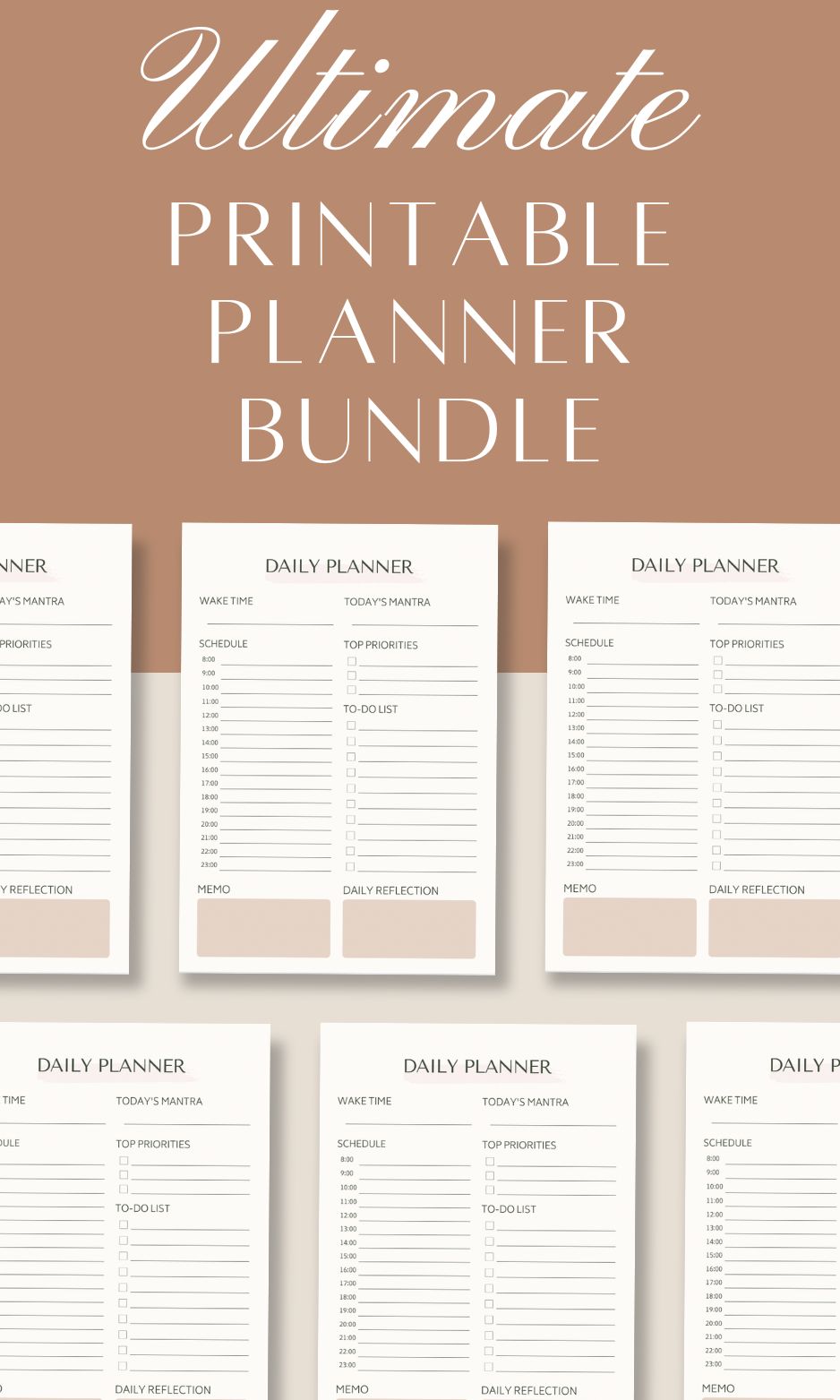
We are giving it for free to our users
Get 1 Free Digital Planner
Try Our Daily Planner and if You Like It Then finally Proceed with the Full Bundle.