

This Post Contains Affiliate Links. Please Read Our Disclosure for Full Information.
GLP-1 medications like Ozempic®, Wegovy®, Zepbound®, and Mounjaro® have helped many people lose weight and improve blood sugar control. However, side effects such as nausea, constipation, bloating, and fatigue are common—especially when starting treatment or increasing your dose. The good news? A few simple daily habits can help you manage these symptoms naturally and make your GLP-1 journey much more comfortable. Always follow your healthcare provider’s advice, and if side effects become severe or persistent, contact them promptly.
1. Eat Smaller, More Frequent Meals
Large meals can overwhelm your digestive system while taking GLP-1 medications, making nausea worse. Eating smaller portions every three to four hours is often easier on your stomach and helps maintain steady energy throughout the day.
👉 Wellness Tip: Stop eating when you feel comfortably full instead of finishing everything on your plate.
🛍 Shop here:
Portion Control Plates

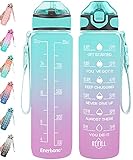
2. Stay Hydrated Throughout the Day
GLP-1 medications may reduce your desire to drink, increasing the risk of dehydration. Drinking water consistently supports digestion, helps reduce constipation, and may improve fatigue.
👉 Wellness Tip: Sip water regularly instead of drinking large amounts all at once.
🛍 Shop here:
Motivational Water Bottle
3. Increase Fiber Gradually
Fiber supports healthy digestion and can help relieve constipation, but increasing it too quickly may cause additional bloating. Gradually adding fiber-rich foods gives your digestive system time to adjust.
👉 Wellness Tip: Increase your water intake whenever you increase fiber.
🛍 Shop here:
Psyllium Husk Fiber Supplement

4. Sip Ginger Tea
Ginger has long been used to help calm nausea and support digestion. Many people find that warm ginger tea is soothing, especially after meals.
👉 Wellness Tip: Drink ginger tea slowly instead of all at once.
🛍 Shop here:
Ginger Tea Bags

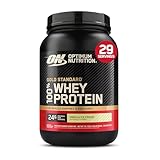
5. Prioritize Lean Protein
Protein helps preserve muscle while losing weight and can keep you feeling satisfied longer. Lean protein sources are often easier to digest than heavy, fatty meals.
👉 Wellness Tip: Include protein at every meal whenever possible.
🛍 Shop here:
Protein Shake Powder
6. Avoid Greasy and Fried Foods
High-fat meals stay in the stomach longer and may worsen nausea while taking GLP-1 medications. Choosing lighter cooking methods often feels much better.
👉 Wellness Tip: Try baking, grilling, or air frying instead of deep frying.
🛍 Shop here:
Air Fryer

7. Walk After Meals
A gentle walk after eating may support digestion and reduce bloating without putting extra stress on your body.
👉 Wellness Tip: Aim for a relaxed 10–15 minute walk after your largest meal.
🛍 Shop here:
Walking Shoes

8. Eat Slowly
Eating too quickly may increase fullness, nausea, and discomfort. Slowing down gives your body time to recognize fullness signals.
👉 Wellness Tip: Put your fork down between bites.
🛍 Shop here:
Mindful Eating Journal

9. Include Magnesium-Rich Foods
Foods like pumpkin seeds, spinach, almonds, and beans provide magnesium, which supports muscle and nerve function and contributes to overall digestive health.
👉 Wellness Tip: Aim to include magnesium-rich foods several times each week.
🛍 Shop here:
Pumpkin Seeds

10. Get Enough Sleep
Fatigue is a common complaint with GLP-1 therapy, especially during the adjustment period. Good-quality sleep helps your body recover and supports energy levels.
👉 Wellness Tip: Try to keep a consistent bedtime every night.
🛍 Shop here:
Sleep Mask

11. Choose Bland Foods When Nausea Hits
Simple foods such as crackers, toast, rice, bananas, or applesauce are often easier to tolerate during periods of nausea.
👉 Wellness Tip: Keep bland snacks available for days when your stomach feels sensitive.
🛍 Shop here:
Food Storage Containers

12. Don’t Skip Meals
Even if your appetite is lower, skipping meals completely may leave you feeling weak or fatigued. Smaller balanced meals are usually a better choice.
👉 Wellness Tip: Keep easy high-protein snacks on hand.
🛍 Shop here:
Protein Snack Pack

13. Add Probiotic Foods
Yogurt, kefir, kimchi, and other fermented foods may support a healthy gut microbiome and overall digestive health.
👉 Wellness Tip: Introduce probiotic foods gradually if they’re new to your diet.
🛍 Shop here:
Probiotic Supplement

14. Limit Carbonated Drinks
Carbonated beverages can contribute to bloating and make stomach discomfort feel worse for some people.
👉 Wellness Tip: Choose still water or herbal tea instead of soda.
🛍 Shop here:
Herbal Tea Variety Pack

15. Keep Healthy Snacks Nearby
Having nutritious snacks ready makes it easier to eat small amounts throughout the day without relying on processed foods.
👉 Wellness Tip: Try combinations of protein and fiber for longer-lasting fullness.
🛍 Shop here:
Bento Snack Containers

16. Stay Lightly Active
Gentle movement throughout the day can support digestion, improve energy, and reduce stiffness without overexertion.
👉 Wellness Tip: Choose activities you genuinely enjoy so they become a habit.
🛍 Shop here:
Fitness Tracker

17. Plan Balanced Meals
Meals that include lean protein, healthy fats, fiber, and complex carbohydrates help support steady energy and reduce hunger between meals.
👉 Wellness Tip: Meal prep once a week to make healthy eating easier.
🛍 Shop here:
Glass Meal Prep Containers

18. Listen to Your Body
Your appetite and food tolerance may change from day to day while on GLP-1 medication. Paying attention to how different foods make you feel can help you build a routine that works for you.
👉 Wellness Tip: Keep a simple food and symptom journal to identify patterns.
🛍 Shop here:
Food Journal

19. Talk to Your Healthcare Provider About Persistent Symptoms
Mild side effects often improve as your body adjusts, but severe nausea, ongoing vomiting, dehydration, persistent constipation, or significant fatigue should be discussed with your healthcare provider. They may recommend adjustments to your treatment plan or additional strategies.
👉 Wellness Tip: Don’t ignore symptoms that interfere with daily life or worsen over time.
🛍 Shop here:
Weekly Medication Organizer

GLP-1 medications can be incredibly effective, but adjusting to them may take time. Small lifestyle changes—like staying hydrated, eating balanced meals, moving your body gently, and listening to your hunger cues—can make a noticeable difference in managing common side effects. Be patient with yourself, stay consistent, and always work with your healthcare provider if symptoms become difficult to manage.
Save this post to your Pinterest board so you can come back to these ideas anytime!
Discover more from Serenity Talks
Subscribe to get the latest posts sent to your email.


