

This Post Contains Affiliate Links. Please Read Our Disclosure for Full Information.
Inflammation isn’t always a bad thing—it’s your body’s natural response to injury and infection. But when inflammation becomes chronic, it may contribute to a variety of long-term health problems. While no single food can magically eliminate inflammation, eating a balanced diet rich in nutrient-dense, whole foods can support your overall health and help maintain a healthy inflammatory response.
The best part? Many of the most powerful anti-inflammatory foods are affordable, delicious, and easy to include in everyday meals. Whether you’re building healthier eating habits or simply looking to add more nutritious ingredients to your plate, these foods deserve a spot on your weekly grocery list.
Note: Food is just one piece of the puzzle. Regular exercise, quality sleep, stress management, and not smoking also play important roles in supporting overall health.
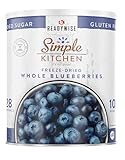
1. Blueberries
Blueberries are packed with antioxidants called anthocyanins, which give them their vibrant blue color.
They’re delicious in smoothies, oatmeal, yogurt, or simply enjoyed by the handful as a snack.
👉 Healthy Tip: Keep frozen blueberries on hand for smoothies year-round.
🛍 Shop here:
2. Salmon
Salmon is rich in omega-3 fatty acids, which are associated with supporting heart health and a healthy inflammatory response.
Aim for two servings of fatty fish each week if possible.
👉 Healthy Tip: Bake salmon with lemon and herbs for a quick weeknight dinner.
🛍 Shop here:

3. Spinach
Leafy greens like spinach provide vitamins, minerals, fiber, and antioxidants that support overall wellness.
They’re incredibly versatile and easy to add to meals.
👉 Healthy Tip: Toss a handful into smoothies or scrambled eggs.
🛍 Shop here:

4. Turmeric
Turmeric contains curcumin, a naturally occurring compound that’s been widely studied for its health-supporting properties.
It’s commonly used in curries, soups, and golden milk.
👉 Healthy Tip: Pair turmeric with black pepper to improve curcumin absorption.
🛍 Shop here:

5. Walnuts
Walnuts are one of the few nuts that naturally contain plant-based omega-3 fats.
They’re a satisfying snack packed with healthy fats, protein, and fiber.
👉 Healthy Tip: Sprinkle chopped walnuts over oatmeal or salads.
🛍 Shop here:

6. Broccoli
Broccoli is loaded with vitamins C and K, fiber, and beneficial plant compounds.
It’s one of the healthiest vegetables you can regularly enjoy.
👉 Healthy Tip: Lightly steam broccoli to help preserve its nutrients.
🛍 Shop here:

7. Avocados
Avocados provide heart-healthy monounsaturated fats, fiber, and important nutrients.
They’re creamy, filling, and incredibly versatile.
👉 Healthy Tip: Add sliced avocado to toast, salads, or grain bowls.
🛍 Shop here:

8. Tomatoes
Tomatoes are rich in lycopene, an antioxidant that’s especially abundant in cooked tomatoes.
They’re delicious in sauces, soups, and salads.
👉 Healthy Tip: Pair tomatoes with olive oil for better absorption of lycopene.
🛍 Shop here:

9. Extra Virgin Olive Oil
A staple of the Mediterranean diet, extra virgin olive oil contains healthy fats and antioxidant compounds.
It’s one of the easiest healthy swaps you can make.
👉 Healthy Tip: Use it in homemade salad dressings instead of creamy dressings.
🛍 Shop here:

10. Ginger
Fresh ginger adds a spicy kick to meals while bringing natural flavor without excess salt.
It’s commonly used in teas, stir-fries, and smoothies.
👉 Healthy Tip: Grate fresh ginger into hot tea with lemon.
🛍 Shop here:

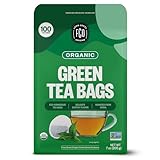
11. Green Tea
Green tea contains natural antioxidants called catechins that have been widely researched.
It’s a refreshing alternative to sugary drinks.
👉 Healthy Tip: Skip excess sugar to enjoy its natural flavor.
🛍 Shop here:
12. Chia Seeds
Tiny but mighty, chia seeds provide fiber, healthy fats, and plant-based protein.
They’re easy to add to yogurt, smoothies, and overnight oats.
👉 Healthy Tip: Let chia seeds soak before eating for the best texture.
🛍 Shop here:

13. Sweet Potatoes
Sweet potatoes provide fiber, vitamins, and antioxidants while making a satisfying side dish.
They’re naturally sweet without added sugar.
👉 Healthy Tip: Roast with olive oil and herbs for extra flavor.
🛍 Shop here:

14. Garlic
Garlic adds bold flavor while containing beneficial plant compounds.
It’s a staple ingredient in countless healthy recipes.
👉 Healthy Tip: Crush garlic and let it sit for a few minutes before cooking.
🛍 Shop here:

15. Bell Peppers
Colorful bell peppers are packed with vitamin C and antioxidants.
They’re crunchy, naturally sweet, and perfect for snacking or cooking.
👉 Healthy Tip: Eat a variety of colors to maximize nutrient diversity.
🛍 Shop here:

16. Oats
Whole oats provide soluble fiber that supports heart health and helps keep you feeling full.
They’re a fantastic breakfast choice.
👉 Healthy Tip: Top oatmeal with berries and walnuts for an anti-inflammatory breakfast.
🛍 Shop here:

17. Dark Chocolate
Good news—dark chocolate can absolutely fit into a healthy eating plan.
Choose varieties with at least 70% cocoa for more beneficial plant compounds.
👉 Healthy Tip: Enjoy a small portion rather than eating the whole bar.
🛍 Shop here:

18. Beans
Beans are rich in plant protein, fiber, and minerals that support overall health.
They’re budget-friendly and incredibly filling.
👉 Healthy Tip: Add beans to soups, salads, tacos, and grain bowls.
🛍 Shop here:

19. Mushrooms
Mushrooms provide a variety of nutrients while adding rich, savory flavor to meals.
They’re delicious roasted, sautéed, or added to pasta dishes.
👉 Healthy Tip: Try mixing several mushroom varieties together.
🛍 Shop here:

20. Yogurt with Live Cultures
Yogurt containing live and active cultures can support gut health, which plays an important role in overall wellness.
Choose plain varieties and add your own fruit for less added sugar.
👉 Healthy Tip: Top with berries and chia seeds for a nutrient-packed snack.
🛍 Shop here:

Conclusion
Building an anti-inflammatory eating pattern doesn’t require a complicated diet or expensive superfoods. By filling your plate with colorful fruits and vegetables, healthy fats, whole grains, legumes, fish, nuts, and herbs, you can support your overall health while enjoying delicious, satisfying meals. Small changes—like swapping refined snacks for walnuts, adding spinach to your breakfast, or cooking with olive oil—can add up over time.
Remember, no single food is a cure-all. The greatest benefits come from consistently eating a balanced, varied diet alongside regular exercise, quality sleep, and other healthy lifestyle habits. Start by adding a few of these foods to your weekly menu and build from there.
Save this post to your Pinterest board so you can come back to this healthy grocery list anytime!
Discover more from Serenity Talks
Subscribe to get the latest posts sent to your email.


