

This Post Contains Affiliate Links. Please Read Our Disclosure for Full Information.
Does your skin suddenly feel tight, flaky, irritated, or ridiculously dry the moment winter arrives? You’re definitely not imagining things! Cold outdoor air, indoor heating, hot showers, and harsh skincare products can all leave your skin feeling less comfortable than usual. And when your skin barrier becomes compromised, even products you’ve used for years might suddenly start stinging.
The good news? Repairing your skin barrier during cold weather doesn’t require a complicated 12-step skincare routine or a cabinet full of expensive products. Sometimes, simplifying your routine and choosing the right moisturizing ingredients can make a noticeable difference.
These 21 skin barrier repair tips for cold weather will help you build a gentle winter skincare routine, reduce moisture loss, and support healthier-looking, more comfortable skin throughout the chilly season.
1. Switch to a Gentle Hydrating Cleanser
Your regular foaming cleanser might feel refreshing during summer, but it can leave already-dry winter skin feeling tight and uncomfortable. A gentle, fragrance-free cream or lotion cleanser removes everyday dirt without unnecessarily stripping away the natural oils that help protect your skin.
Look for non-stripping formulas with ingredients such as glycerin or ceramides.
✨ Skincare Tip: Wash your face with lukewarm water and avoid cleansing more often than your skin needs.
🛍 Shop: Browse the best Gentle Hydrating Face Cleanser on Amazon

2. Use a Ceramide-Rich Moisturizer
Ceramides are naturally occurring lipids that help maintain your skin’s protective barrier and reduce moisture loss. During winter, using a moisturizer formulated with ceramides can help replenish the skin’s lipid barrier and improve dryness, especially when your face feels rough or uncomfortable.
Choose a fragrance-free cream rather than a lightweight gel if your skin needs extra nourishment.
✨ Skincare Tip: Apply your ceramide moisturizer immediately after cleansing while your skin is still slightly damp.
🛍 Shop: Browse the best Ceramide Face Moisturizer on Amazon

3. Apply Hyaluronic Acid to Damp Skin
Hyaluronic acid is a humectant, meaning it attracts and binds water, making it a popular ingredient for dehydrated winter skin. A gentle hyaluronic acid serum can help improve surface hydration and make your skin feel smoother when used alongside a nourishing moisturizer.
However, a serum alone isn’t enough to prevent moisture loss.
✨ Skincare Tip: Apply hyaluronic acid to slightly damp skin and follow with moisturizer to help retain hydration.
🛍 Shop: Browse the best Hyaluronic Acid Serum on Amazon

4. Stop Using Harsh Exfoliants Temporarily
When your skin barrier is irritated, aggressive exfoliation can make dryness, redness, and stinging worse. Strong chemical exfoliants, facial scrubs, and frequent peeling treatments may be too much for already-sensitive winter skin.
Giving your skin a break from exfoliation allows you to focus on moisturizing and reducing irritation instead of constantly removing surface skin cells.
✨ Skincare Tip: Pause strong acids and abrasive scrubs until your skin feels comfortable, then reintroduce products gradually if needed.
🛍 Shop: Browse the best Fragrance Free Face Moisturizer on Amazon

5. Add a Petrolatum-Based Ointment to Dry Areas
Petrolatum is an effective occlusive ingredient that helps reduce water loss from the skin. If you have particularly dry patches around your nose, lips, or cheeks, applying a thin layer of plain petrolatum over moisturizer can provide extra protection.
This approach is especially helpful for small areas exposed to cold wind.
✨ Skincare Tip: Apply a small amount to clean, moisturized skin at night, avoiding areas where it causes breakouts or discomfort.
🛍 Shop: Browse the best Petrolatum Skin Protectant on Amazon

6. Take Shorter Lukewarm Showers
A steaming hot shower might sound like heaven on a freezing winter morning, but prolonged exposure to hot water can worsen dryness and leave your skin feeling tight. Hot water can remove surface oils that help limit moisture loss, especially when combined with harsh soaps.
Shorter, lukewarm showers are generally kinder to dry or sensitive skin.
✨ Skincare Tip: Aim for brief showers and apply body moisturizer within a few minutes of gently patting your skin dry.
🛍 Shop: Browse the best Moisturizing Body Wash for Dry Skin on Amazon

7. Use a Humidifier in Dry Indoor Spaces
Indoor heating can lower relative humidity and make winter dryness feel even worse. A properly maintained humidifier can add moisture to dry indoor air, potentially helping your skin feel more comfortable while you sleep or spend long hours at home.
The important part is maintaining a comfortable humidity level without creating excess dampness.
✨ Skincare Tip: Aim for approximately 30–50% indoor relative humidity and clean your humidifier according to the manufacturer’s instructions.
🛍 Shop: Browse the best Bedroom Cool Mist Humidifier on Amazon

8. Try a Glycerin-Based Hydrating Serum
Glycerin is one of those underrated skincare ingredients that deserves more attention during winter. As a humectant, it helps attract water to the outer layers of your skin, supporting hydration and improving the appearance of dryness.
It’s commonly found in moisturizers, hydrating serums, and gentle cleansers, making it easy to include in a simple routine.
✨ Skincare Tip: Choose a glycerin-containing serum or moisturizer without added fragrance if your skin is easily irritated.
🛍 Shop: Browse the best Glycerin Hydrating Serum on Amazon

9. Switch from Lightweight Lotion to a Richer Cream
That lightweight moisturizer you loved during summer might not provide enough comfort when temperatures drop. Richer creams typically contain more emollient and occlusive ingredients that soften dry skin and help reduce moisture loss.
You don’t necessarily need a completely new skincare routine. Sometimes, replacing one lightweight product with a nourishing cream is enough.
✨ Skincare Tip: Look for creams containing ceramides, glycerin, dimethicone, or petrolatum.
🛍 Shop: Browse the best Rich Face Cream for Dry Skin on Amazon

10. Protect Your Skin with Sunscreen Every Day
Winter sunshine may feel gentler, but ultraviolet radiation can still affect your skin throughout the year. Maintaining daily sun protection helps prevent UV-related skin damage, and a moisturizing sunscreen can make your winter routine more comfortable.
Choose a broad-spectrum sunscreen with SPF 30 or higher, especially for your face, neck, and other exposed areas.
✨ Skincare Tip: Apply sunscreen as the final step of your morning skincare routine and reapply as needed during outdoor exposure.
🛍 Shop: Browse the best Moisturizing Sunscreen SPF 30 on Amazon

11. Use a Soothing Colloidal Oatmeal Cream
Colloidal oatmeal is commonly used in skin protectant products because it can help soothe and protect dry, irritated skin. During winter, a fragrance-free cream containing colloidal oatmeal may be particularly comforting for areas that feel rough, itchy, or sensitive.
It’s a useful ingredient to consider when your regular moisturizer doesn’t feel soothing enough.
✨ Skincare Tip: Choose a product specifically formulated for sensitive skin and patch-test it before applying widely.
🛍 Shop: Browse the best Colloidal Oatmeal Cream on Amazon

12. Avoid Fragranced Skincare Products
Strongly scented skincare products might smell amazing, but fragrance can trigger irritation or allergic reactions in some people, especially when their skin is already sensitive. During a winter skin barrier recovery routine, simplifying your products can make it easier to identify what’s helping and what’s causing discomfort.
Fragrance-free formulas are often a sensible choice for irritated skin.
✨ Skincare Tip: Look specifically for products labeled “fragrance-free,” since “unscented” products may still contain masking fragrances.
🛍 Shop: Browse the best Fragrance Free Skincare Products on Amazon

13. Apply Moisturizer More Than Once a Day
When winter weather leaves your skin extremely dry, moisturizing only once in the morning might not provide enough comfort. Reapplying a gentle cream throughout the day can help replenish the protective layer on your skin and reduce feelings of tightness.
Pay extra attention to areas that are frequently washed or exposed to cold air.
✨ Skincare Tip: Keep a small tube of moisturizer in your handbag so you can reapply whenever your skin feels dry.
🛍 Shop: Browse the best Travel Size Moisturizing Cream on Amazon

14. Protect Your Lips from Winter Dryness
Your lips are especially vulnerable to cold weather because their skin has a relatively thin protective barrier. Wind, dry air, and frequent lip licking can leave them feeling cracked, sore, or uncomfortable.
A simple, fragrance-free lip balm containing petrolatum or other protective ingredients can help reduce moisture loss.
✨ Skincare Tip: Apply lip balm before heading outdoors and again before bedtime, especially when your lips feel dry.
🛍 Shop: Browse the best Fragrance Free Lip Balm on Amazon

15. Introduce Panthenol into Your Skincare Routine
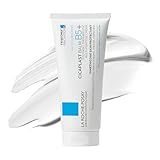
Panthenol, also known as provitamin B5, is a moisturizing ingredient commonly used in soothing skincare formulas. It can help improve skin hydration and support the comfort of dry, irritated skin, making it a useful addition to a gentle winter routine.
Look for panthenol in fragrance-free creams or serums rather than layering multiple new products at once.
✨ Skincare Tip: Introduce one panthenol-containing product gradually and monitor how your skin responds.
🛍 Shop: Browse the best Panthenol B5 Cream on Amazon

16. Be Careful with Retinol During Winter
Retinol and other retinoids can cause dryness, peeling, and irritation, particularly when your skin is already struggling with cold-weather conditions. If your face feels unusually sensitive, it may be worth reassessing how often you use these products.
For over-the-counter retinol, temporarily reducing frequency may help. If you’re using a prescribed retinoid, ask your clinician before changing your treatment.
✨ Skincare Tip: Avoid introducing strong new active ingredients while your skin is visibly irritated or stinging.
🛍 Shop: Browse the best Gentle Barrier Repair Moisturizer on Amazon

17. Try a Gentle Squalane Moisturizer
Squalane is a lightweight emollient that helps soften the skin and reduce the feeling of dryness without necessarily leaving a heavy finish. It can be especially useful for people who dislike thick, greasy textures but still need additional winter hydration.
Squalane works best as part of a balanced moisturizing routine rather than replacing every other skincare step.
✨ Skincare Tip: Choose a fragrance-free squalane moisturizer and apply it after cleansing for comfortable everyday hydration.
🛍 Shop: Browse the best Squalane Face Moisturizer on Amazon

18. Keep Your Winter Skincare Routine Simple
When your skin feels irritated, adding more products isn’t always the answer. Layering multiple serums, acids, masks, and treatments can make it difficult to identify which ingredients are helping and which might be worsening sensitivity.
A gentle cleanser, nourishing moisturizer, and daytime sunscreen can form an effective foundation while your skin settles.
✨ Skincare Tip: Focus on a consistent three-step routine before experimenting with additional products.
🛍 Shop: Browse the best Sensitive Skin Skincare Set on Amazon

19. Protect Your Hands with a Barrier Cream
Frequent handwashing, cold outdoor temperatures, and exposure to cleaning products can leave your hands feeling dry, rough, and cracked during winter. Applying a thick hand cream regularly helps reduce moisture loss and keeps your hands feeling more comfortable.
Look for formulas containing glycerin, petrolatum, or dimethicone, especially if you wash your hands frequently.
✨ Skincare Tip: Apply hand cream after washing and wear protective gloves when cleaning or going outdoors in cold weather.
🛍 Shop: Browse the best Barrier Repair Hand Cream on Amazon

20. Choose a Nourishing Overnight Moisturizer
Nighttime is a convenient opportunity to give dry winter skin some extra moisturizing care. Applying a rich, fragrance-free cream before bed can help reduce moisture loss while you sleep and leave your skin feeling softer and more comfortable in the morning.
You don’t need a product marketed specifically as a night cream; a well-formulated everyday moisturizer can work beautifully.
✨ Skincare Tip: Apply your moisturizer after your evening cleanse, then use a thin layer of ointment on particularly dry patches if needed.
🛍 Shop: Browse the best Overnight Moisturizing Face Cream on Amazon

21. Give Your Skin Time to Recover
One of the most important winter skin barrier repair tips is also one of the easiest to overlook: be patient! Dryness and irritation don’t always disappear overnight, even when you’re using gentle products and moisturizing consistently.
Skin recovery depends on the cause and severity of the irritation, so focus on comfort and gradual improvement instead of expecting instant results.
✨ Skincare Tip: If you experience persistent redness, painful cracks, oozing, severe itching, or worsening irritation, consult a dermatologist rather than repeatedly trying new products.
🛍 Shop: Browse the best Skin Barrier Repair Cream on Amazon
Cold weather can be tough on your skin, but a gentle, consistent skincare routine can make winter dryness much easier to manage. The key is to focus on protecting your skin’s natural barrier, reducing unnecessary irritation, and using moisturizing ingredients that help your skin retain water.
These 21 skin barrier repair tips for cold weather show that you don’t need an expensive collection of products to support healthier-looking winter skin. A gentle cleanser, ceramide-rich moisturizer, daily sunscreen, and a few simple lifestyle adjustments can make a meaningful difference.
Start with the basics, pay attention to how your skin responds, and give it time to recover. Your winter skincare routine should leave your skin feeling comfortable and cared for—not overwhelmed by endless products!
Discover more from Serenity Talks
Subscribe to get the latest posts sent to your email.


