

This Post Contains Affiliate Links. Please Read Our Disclosure for Full Information.
Winter mornings are cozy, but your skin might have a completely different opinion! Between chilly winds, indoor heating, dry air, and those long hot showers, your complexion can quickly go from fresh and glowing to tight, flaky, and seriously thirsty.
And if your usual summer skincare routine suddenly isn’t working anymore, you’re definitely not alone.
The secret to healthy-looking winter skin isn’t necessarily using more products. It’s choosing the right ingredients, layering them properly, and protecting your skin’s natural moisture barrier.
Whether you’re dealing with dryness, dullness, sensitivity, or a combination of everything, these 21 winter morning skincare routine steps for glowing skin will help you build a nourishing routine that keeps your complexion soft, hydrated, and radiant throughout the colder months.
You don’t need to complete all 21 steps every morning! Think of this as a collection of helpful habits and optional treatments you can customize to your skin type.
1. Start Your Morning with Lukewarm Water
The first step toward glowing winter skin is surprisingly simple: avoid washing your face with excessively hot water. While steaming water feels amazing on freezing mornings, it can strip away natural oils and leave your skin feeling tight, uncomfortable, and even more dehydrated.
Lukewarm water is gentler and helps prevent unnecessary disruption to your skin’s protective barrier.
✨ Skincare Tip: Keep your face-washing water comfortably lukewarm, especially if your skin already feels dry or sensitive.
🛍 Shop: Browse the best Soft Face Washcloths on Amazon

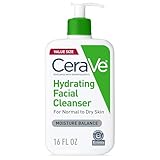
2. Cleanse with a Gentle Hydrating Face Wash
Your winter morning skincare routine should begin with a cleanser that removes overnight buildup without leaving your face feeling stripped. Creamy, fragrance-free cleansers containing glycerin, ceramides, or other moisturizing ingredients are often excellent choices for dry winter skin.
If your skin feels particularly dry, you may find that a simple water rinse works better in the morning than cleansing twice daily.
✨ Skincare Tip: Choose a non-foaming or low-foaming cleanser if traditional face washes leave your skin feeling tight.
🛍 Shop: Browse the best Hydrating Facial Cleanser on Amazon
3. Pat Your Face Dry Instead of Rubbing
After cleansing, resist the temptation to rub your face vigorously with a towel. Rough drying can irritate delicate winter skin, especially when you’re already experiencing dryness, redness, or flakiness.
Instead, use a clean, soft towel and gently pat away excess water while leaving your complexion slightly damp.
✨ Skincare Tip: Apply your next hydrating product while your skin is still a little damp to help reduce moisture loss.
🛍 Shop: Browse the best Soft Microfiber Face Towels on Amazon
4. Apply a Hydrating Toner
A hydrating toner can be a lovely optional addition to your winter skincare routine, especially if your skin feels dull or dehydrated. Look for alcohol-free formulas featuring ingredients like glycerin, panthenol, or hyaluronic acid to provide lightweight hydration before your serum and moisturizer.
Unlike harsh astringent toners, hydrating formulas are designed to leave your complexion feeling comfortable and refreshed.
✨ Skincare Tip: Press the toner gently into your skin using clean hands rather than rubbing with a cotton pad.
🛍 Shop: Browse the best Hydrating Facial Toner on Amazon

5. Layer a Hyaluronic Acid Serum
Hyaluronic acid is a popular ingredient for winter skincare because it attracts and holds water, helping skin appear smoother and more hydrated. A lightweight hyaluronic acid serum can be especially helpful when your complexion feels tight after spending time in heated indoor environments.
However, hydration works best when followed by a moisturizer that helps reduce water loss.
✨ Skincare Tip: Apply hyaluronic acid serum to slightly damp skin, then follow with a nourishing moisturizer.
🛍 Shop: Browse the best Hyaluronic Acid Face Serum on Amazon

6. Add a Vitamin C Serum for a Brighter Complexion
If your winter skin looks dull and tired, a vitamin C serum may be worth adding to your morning routine. Vitamin C is an antioxidant that can help improve the appearance of uneven skin tone and support a brighter-looking complexion with consistent use.
Some formulas can irritate sensitive skin, so choosing a suitable concentration and introducing it gradually is important.
✨ Skincare Tip: Start with a gentle vitamin C formula a few mornings per week and increase use only if your skin tolerates it.
🛍 Shop: Browse the best Vitamin C Face Serum on Amazon

7. Use Niacinamide to Support Your Skin Barrier
Niacinamide is a versatile skincare ingredient that can help improve the appearance of uneven skin tone while supporting your skin’s barrier function. It’s especially appealing during winter when dry air and indoor heating can leave your complexion looking stressed.
Many moisturizers already contain niacinamide, so you don’t necessarily need a separate serum to enjoy its benefits.
✨ Skincare Tip: If you’re new to niacinamide, try a lower-strength formula and avoid introducing several new active ingredients simultaneously.
🛍 Shop: Browse the best Niacinamide Face Serum on Amazon

8. Choose a Ceramide-Rich Moisturizer
Ceramides are naturally occurring lipids that help maintain your skin’s protective barrier. During winter, a moisturizer containing ceramides can be especially useful for keeping your complexion comfortable and reducing the feeling of dryness.
Look for formulas that combine ceramides with glycerin and other moisturizing ingredients for a nourishing finish.
✨ Skincare Tip: Apply your ceramide moisturizer after water-based serums to help seal in hydration.
🛍 Shop: Browse the best Ceramide Face Moisturizer on Amazon

9. Switch to a Richer Winter Face Cream
That lightweight gel moisturizer you loved during summer might not feel nourishing enough during colder months. Winter often calls for a richer cream containing ingredients such as shea butter, squalane, glycerin, or petrolatum to help reduce moisture loss.
You don’t need an extremely heavy formula if your skin is oily or acne-prone. The goal is finding a texture that keeps your skin comfortable without causing unwanted breakouts.
✨ Skincare Tip: Choose a richer moisturizer for dry areas while using a lighter layer on oilier parts of your face.
🛍 Shop: Browse the best Rich Winter Face Cream on Amazon

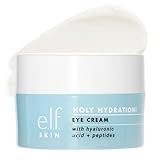
10. Apply a Nourishing Eye Cream if Needed
The skin around your eyes can feel especially dry during winter, particularly when you’re exposed to cold winds and indoor heating. A gentle moisturizing eye cream may help soften the appearance of dehydration lines and keep this delicate area feeling comfortable.
However, a fragrance-free facial moisturizer can often serve the same purpose, so a separate eye cream is optional.
✨ Skincare Tip: Use a small amount of product and gently tap it around the orbital area without pulling on your skin.
🛍 Shop: Browse the best Hydrating Eye Cream on Amazon
11. Protect Your Lips with a Moisturizing Lip Balm
Dry, chapped lips are practically a winter tradition, but they don’t have to become part of your daily routine. Cold air, wind, and frequent lip licking can leave your lips feeling uncomfortable and cracked.
A simple fragrance-free lip balm containing petrolatum, mineral oil, or other protective ingredients can help lock in moisture.
✨ Skincare Tip: Apply a generous layer of lip balm before heading outdoors, and choose an SPF lip product when your lips will be exposed to sunlight.
🛍 Shop: Browse the best Moisturizing Lip Balm on Amazon

12. Apply Broad-Spectrum SPF 30 or Higher
Yes, sunscreen is still essential during winter! UV radiation doesn’t disappear just because the weather feels cold, and UVA rays can contribute to premature skin aging throughout the year.
Snow can also reflect UV radiation, increasing exposure during outdoor winter activities. A broad-spectrum SPF 30 or higher is a smart everyday choice for exposed skin.
✨ Skincare Tip: Apply sunscreen generously as the final step of your morning skincare routine, before makeup, and reapply approximately every two hours when outdoors.
🛍 Shop: Browse the best Hydrating SPF 50 Sunscreen on Amazon
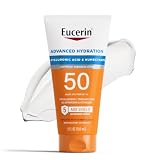
13. Choose a Moisturizing Sunscreen Formula
Some sunscreen formulas can leave winter skin feeling tight or uncomfortable, especially if they have a very matte finish. Choosing a moisturizing sunscreen can make daily sun protection much more pleasant when your complexion is already dry.
Look for formulas containing hydrating ingredients and a texture that layers comfortably over your moisturizer.
✨ Skincare Tip: Let your moisturizer settle briefly before applying sunscreen to reduce pilling and create a smoother finish.
🛍 Shop: Browse the best Moisturizing Facial Sunscreen on Amazon

14. Apply a Few Drops of Squalane for Extra Comfort
If your skin still feels dry after moisturizing, a few drops of squalane can provide additional softness and comfort. Squalane is an emollient that helps smooth the skin’s surface and reduce the feeling of roughness without necessarily requiring a thick, greasy product.
This optional step can be especially helpful for dry patches around the cheeks or jawline.
✨ Skincare Tip: If you use facial oil in the morning, apply it sparingly before sunscreen and allow it to absorb so your sunscreen forms an even layer.
🛍 Shop: Browse the best Squalane Facial Oil on Amazon

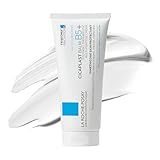
15. Use an Occlusive Balm on Extremely Dry Patches
Sometimes, your regular moisturizer isn’t quite enough for stubborn winter dryness around the nose, lips, or cheeks. Applying a thin layer of a simple occlusive balm can help reduce water loss and protect vulnerable areas from further irritation.
Petrolatum-based products are especially useful for this purpose, although acne-prone skin may prefer lighter options.
✨ Skincare Tip: Use a tiny amount on dry patches rather than covering your entire face, and apply it before sunscreen in the morning.
🛍 Shop: Browse the best Skin Barrier Repair Balm on Amazon
16. Avoid Harsh Exfoliation in the Morning
Exfoliation can help improve the appearance of dull, flaky skin, but overdoing it during winter may cause irritation and worsen dryness. Strong scrubs and frequent chemical exfoliants can be particularly uncomfortable when your moisture barrier is already compromised.
Instead of exfoliating every morning, focus on gentle cleansing and hydration, and use exfoliating products only as often as your skin comfortably tolerates.
✨ Skincare Tip: If your skin feels irritated, stings when applying moisturizer, or looks unusually red, pause exfoliation and simplify your routine.
🛍 Shop: Browse the best Gentle Exfoliating Face Wash on Amazon

17. Use a Hydrating Face Mist When Your Skin Feels Tight
A gentle hydrating face mist can provide a refreshing burst of moisture when your skin feels uncomfortable after cleansing or while getting ready. Formulas containing glycerin or panthenol may help temporarily improve the feeling of dryness.
However, a face mist isn’t a replacement for moisturizer, and water alone may evaporate quickly in dry environments.
✨ Skincare Tip: Follow your hydrating mist with moisturizer rather than allowing it to dry completely on your skin.
🛍 Shop: Browse the best Hydrating Facial Mist on Amazon

18. Apply a Hydrating Makeup Primer
If you wear makeup during winter, a moisturizing primer can help create a smoother-looking base and reduce the appearance of dry patches. Hydrating primers often contain ingredients like glycerin or other emollients that make foundation application feel more comfortable.
This is an optional makeup step rather than an essential part of skincare, but it can be helpful when your complexion looks dull.
✨ Skincare Tip: Choose a hydrating primer instead of a strongly mattifying formula if your skin tends to feel dry in winter.
🛍 Shop: Browse the best Hydrating Makeup Primer on Amazon

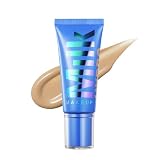
19. Switch to a Dewy Skin Tint Instead of Heavy Foundation
Heavy matte foundation can sometimes emphasize flaky patches and make winter skin appear drier than it really is. A lightweight skin tint with a natural or dewy finish can create a fresher appearance while allowing your skin’s texture to show through.
Choose a comfortable formula that works well over your moisturizer and sunscreen.
✨ Skincare Tip: Apply your skin tint in thin layers with a damp makeup sponge for a soft, natural-looking finish.
🛍 Shop: Browse the best Hydrating Skin Tint on Amazon
20. Protect Your Skin from Cold Wind Before Going Outside
Cold winter wind can make exposed skin feel dry, tight, and irritated, especially around the cheeks and lips. In addition to using a nourishing moisturizer, protecting your face with a soft scarf or other suitable winter accessories can reduce direct exposure.
Choose comfortable fabrics that won’t scratch or rub against sensitive areas.
✨ Skincare Tip: Apply moisturizer before leaving home and use a clean, soft scarf to protect your lower face during particularly windy weather.
🛍 Shop: Browse the best Soft Cashmere Winter Scarf on Amazon

21. Keep Your Indoor Air Comfortable with a Humidifier
Winter skincare isn’t only about what you apply to your face. Indoor heating can reduce humidity, making your home feel dry and potentially contributing to skin discomfort.
Using a clean humidifier may help maintain more comfortable indoor moisture levels, particularly when the air is very dry. Aim for a moderate indoor humidity level rather than making the room excessively damp.
✨ Skincare Tip: Use a hygrometer to monitor indoor humidity, generally keeping it around 30–50%, and clean your humidifier according to the manufacturer’s instructions.
🛍 Shop: Browse the best Bedroom Cool Mist Humidifier on Amazon

How to Put These Winter Skincare Steps Together
You don’t need a 21-product routine to achieve a healthy winter glow. In fact, using too many products at once can irritate your skin and make it harder to identify what’s working.
For most people, a simple morning routine is a great starting point:
- Cleanse gently: Use lukewarm water and a mild cleanser if needed.
- Hydrate: Apply an optional hydrating toner or serum.
- Treat: Use one targeted serum, such as vitamin C or niacinamide, if appropriate for your skin.
- Moisturize: Choose a nourishing cream that suits your skin type.
- Protect: Finish with broad-spectrum SPF 30 or higher.
- Add makeup if desired: Use hydrating formulas for a fresh, glowing finish.
Introduce new products one at a time and patch-test them first, especially if you have sensitive skin. If you experience persistent cracking, painful irritation, or worsening redness, consider consulting a dermatologist.
Final Thoughts
Glowing winter skin isn’t about having the most expensive skincare products or following a complicated beauty routine every morning. It’s about understanding what your skin needs when temperatures drop and giving it consistent hydration, gentle care, and daily protection.
These 21 winter morning skincare routine steps for glowing skin offer plenty of ways to adjust your beauty routine, whether you’re struggling with dry patches, dullness, or that uncomfortable tight feeling that comes with cold weather.
Start with the essentials, add optional treatments gradually, and pay attention to how your skin responds. A gentle cleanser, nourishing moisturizer, and reliable sunscreen can already make a meaningful difference.
And remember, healthy skin doesn’t have to look perfectly smooth or poreless to be beautiful.
Save this winter skincare guide for your next beauty routine refresh, and enjoy a softer, more comfortable, radiant-looking complexion all season long!
Discover more from Serenity Talks
Subscribe to get the latest posts sent to your email.


