

This Post Contains Affiliate Links. Please Read Our Disclosure for Full Information.
Postpartum fitness is not about “bouncing back.” It’s about healing, rebuilding strength, supporting your pelvic floor, restoring energy, and feeling like yourself again — slowly and safely.
Always get clearance from your doctor, especially after a C-section, tearing, pelvic pain, heavy bleeding, dizziness, or diastasis recti. ACOG says postpartum exercise can usually resume gradually when medically safe, and many healthy women can work toward 150 minutes of moderate aerobic activity weekly. (ACOG)
1. Start With Gentle Walking 🚶♀️
Walking is one of the safest and easiest ways to begin postpartum movement.
Start with short walks around your home, then slowly increase time and distance as your body feels ready.
👉 Recovery Tip: If bleeding increases, pain worsens, or you feel pressure/heaviness, slow down and rest.
🛍 Shop here:
Walking Shoes for Women

2. Focus on Pelvic Floor Exercises First ✨
Your pelvic floor supports your bladder, core, posture, and recovery after birth.
Start gently with slow pelvic floor squeezes only if they feel comfortable. NHS guidance recommends pelvic floor exercises after birth, but they should not cause pain. (East Sussex Healthcare NHS Trust)
🛍 Shop here:
Postpartum Recovery Journal

3. Rebuild Your Core Slowly 🤍
Postpartum core recovery is about deep core connection — not crunches.
Start with:
- Belly breathing
- Pelvic tilts
- Heel slides
- Gentle marches
- Deep abdominal activation
👉 Avoid sit-ups and intense ab workouts too early, especially if you have diastasis recti.
🛍 Shop here:
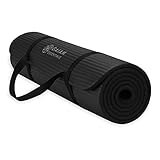
Yoga Mat for Home Workouts
4. Don’t Rush High-Impact Workouts 🔥
Jumping, running, HIIT, and burpees may feel tempting, but your pelvic floor and joints need time.
Start low-impact first. High-impact movement too soon can worsen leaking, heaviness, pelvic pain, or core pressure.
🛍 Shop here:
Low Impact Workout Shoes for Women

5. Try Belly Breathing Daily 🌸
Belly breathing helps reconnect your diaphragm, deep core, and pelvic floor.
How to do it:
- Sit or lie comfortably.
- Inhale and let your ribs expand.
- Exhale slowly and gently engage your lower belly.
- Keep your shoulders relaxed.
🛍 Shop here:
Meditation Pillow for Women

6. Add Gentle Glute Bridges 🍑
Glute bridges help rebuild lower-body strength and support your hips and back.
How to do it:
- Lie on your back with knees bent.
- Exhale and lift your hips gently.
- Squeeze your glutes at the top.
- Lower slowly.
👉 Keep it controlled and stop if you feel pelvic pressure.
🛍 Shop here:
Non Slip Exercise Mat

7. Strengthen Your Back and Posture 💪
Feeding, carrying, rocking, and lifting a baby can make your shoulders and back feel tight.
Try gentle posture exercises like:
- Shoulder rolls
- Wall angels
- Seated rows with a band
- Chest stretches
🛍 Shop here:
Resistance Bands for Women

8. Use the “Talk Test” During Exercise 🗣️
Postpartum workouts should feel manageable, especially at the beginning.
If you can talk while exercising, the intensity is likely moderate. If you’re gasping or dizzy, slow down.
🛍 Shop here:
Fitness Tracker Watch for Women

9. Don’t Ignore Diastasis Recti Signs 🤰
Diastasis recti is abdominal separation that can happen after pregnancy.
Watch for:
- Doming or bulging in the belly
- Weak core feeling
- Back pain
- Pressure during ab moves
NHS advises checking with a GP if the gap is still obvious around 8 weeks after birth, as physiotherapy may help. (nhs.uk)
🛍 Shop here:
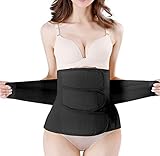
Postpartum Belly Support Band
10. Choose Low-Impact Strength Training 🏋️♀️
Once cleared, strength training can help rebuild full-body power.
Start with:
- Bodyweight squats
- Wall push-ups
- Glute bridges
- Bird dogs
- Step-ups
- Seated rows
👉 Keep reps slow and controlled.
🛍 Shop here:
Light Dumbbells for Women

11. Stretch Your Chest and Shoulders Daily 🧘♀️
Postpartum posture can become rounded from feeding and holding your baby.
Try:
- Doorway chest stretch
- Neck rolls
- Upper back stretch
- Shoulder blade squeezes
🛍 Shop here:
Stretching Strap for Physical Therapy

12. Build Strength With Short Workouts ⏱️
You don’t need a full hour.
Postpartum-friendly workouts can be:
- 5 minutes of breathing
- 10 minutes of walking
- 15 minutes of gentle strength
- 20 minutes of stretching and mobility
👉 Small sessions count.
🛍 Shop here:
Workout Timer for Home Gym

13. Protect Your C-Section Recovery 🤍
If you had a C-section, your body needs extra healing time.
Avoid rushing core work, heavy lifting, intense twisting, or high-impact workouts. Follow your doctor’s guidance and consider pelvic health physiotherapy.
🛍 Shop here:
C Section Recovery Pillow

14. Eat Enough Protein for Recovery 🍳
Your body needs nutrients to heal, especially if you’re breastfeeding.
Protein supports:
- Muscle repair
- Energy
- Tissue healing
- Strength recovery
Try eggs, Greek yogurt, lentils, chicken, tofu, beans, fish, cottage cheese, and nuts.
🛍 Shop here:
Meal Prep Containers

15. Stay Hydrated 💧
Hydration helps energy, digestion, milk supply support, and overall recovery.
Keep water nearby during:
- Feeding
- Walking
- Workouts
- Night wakeups
🛍 Shop here:
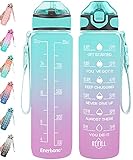
Motivational Water Bottle
16. Wear Supportive Activewear 👟
A supportive sports bra and comfortable leggings can make movement feel easier.
Look for:
- Gentle compression
- Breathable fabric
- Nursing-friendly designs
- High-waist support
- Non-restrictive fit
🛍 Shop here:
Postpartum Workout Leggings

17. Listen to Your Body’s Warning Signs 🚨
Stop exercising and seek medical advice if you notice:
- Heavy bleeding
- Dizziness
- Chest pain
- Severe pelvic pressure
- Worsening pain
- Leaking that increases
- Incision pain or redness
👉 Pain is not “just part of getting fit.”
🛍 Shop here:
Postpartum Care Kit

18. Try Bird Dogs for Core Stability 🐦
Bird dogs are gentle and great for rebuilding core control.
How to do it:
- Start on hands and knees.
- Extend opposite arm and leg.
- Keep hips level.
- Hold briefly.
- Switch sides.
🛍 Shop here:
Thick Exercise Mat for Home Workouts

19. Strengthen Your Legs With Chair Squats 🪑
Chair squats are simple and functional because postpartum life includes a lot of lifting, sitting, standing, and carrying.
How to do it:
- Stand in front of a chair.
- Sit back slowly.
- Tap the chair lightly.
- Stand back up.
🛍 Shop here:
Supportive Training Shoes for Women

20. Support Your Mental Health Too 🌸
Movement can help mood, stress, and confidence, but postpartum mental health deserves real support.
If you feel persistent sadness, anxiety, rage, hopelessness, or scary thoughts, reach out to a doctor or trusted support person.
🛍 Shop here:
Postpartum Mental Health Journal

21. Don’t Compare Your Recovery Timeline 💖
Every postpartum body heals differently.
Recovery depends on:
- Delivery type
- Pregnancy complications
- Sleep
- Feeding method
- Support system
- Previous fitness level
- Pelvic floor health
👉 Your timeline is valid.
🛍 Shop here:
Self Care Gifts for New Moms

22. Work With a Pelvic Floor Physiotherapist If Needed ✨
A pelvic floor physiotherapist can help with:
- Leaking
- Pelvic heaviness
- Pain
- Diastasis recti
- C-section scar recovery
- Returning to running or lifting
This is especially helpful if symptoms continue despite gentle exercises.
🛍 Shop here:
Pelvic Floor Exercise Guide

23. Celebrate Strength, Not Weight Loss 🌷
Postpartum fitness should feel empowering — not punishing.
Celebrate:
- Walking longer
- Feeling stronger
- Less back pain
- Better posture
- More energy
- Improved confidence
Your body created life. Recovery deserves patience, respect, and softness.
🛍 Shop here:
New Mom Self Care Box
Final Thoughts ✨
Postpartum fitness is not about rushing back into your old routine. It’s about rebuilding your body from the inside out.
Focus on:
- Pelvic floor strength
- Gentle walking
- Deep core recovery
- Posture
- Hydration
- Nourishing food
- Rest
- Gradual strength training
Most importantly, give yourself grace. Your body is healing, adapting, and becoming strong in a completely new way. 💖
Discover more from Serenity Talks
Subscribe to get the latest posts sent to your email.


