

This Post Contains Affiliate Links. Please Read Our Disclosure for Full Information.
Anxiety has a way of making everything feel louder — your thoughts, your worries, your heartbeat, even tiny everyday situations. And honestly? Sometimes your brain just refuses to relax no matter how exhausted you are 😭
The good news is that calming anxiety naturally doesn’t always require huge life changes. Tiny daily habits can slowly help your nervous system feel safer, calmer, and less overwhelmed over time. Things like better sleep routines, grounding habits, movement, sunlight, reducing overstimulation, journaling, deep breathing, and creating comforting rituals can make a surprisingly big difference.
These anxiety relief habits are simple, realistic, cozy, and beginner-friendly — perfect for creating a calmer daily routine that actually feels manageable 🤍✨
1. Start Your Morning Without Immediately Checking Your Phone
One of the fastest ways to trigger anxiety in the morning is instantly flooding your brain with notifications, emails, news, and social media the second you wake up. Your nervous system barely has time to wake up before it’s already overstimulated.
Instead, try spending the first 15–30 minutes of your morning phone-free. Stretch, drink water, open the curtains, make coffee, journal, or simply sit quietly before consuming outside information.
This small habit can dramatically reduce mental overwhelm because your brain starts the day grounded instead of reactive.
👉 Style Tip: Create a cozy morning corner with soft lighting, a blanket, and calming music to make slow mornings easier.
🛍 Shop Sunrise Alarm Clock Here

2. Practice Deep Belly Breathing
When anxiety hits, your breathing often becomes shallow without you even noticing. Deep belly breathing helps calm the nervous system by signaling to your body that you’re safe.
Try inhaling slowly through your nose for four seconds, holding briefly, then exhaling slowly for six seconds. Repeat for a few minutes whenever you feel overwhelmed.
This habit sounds simple, but it can genuinely reduce physical anxiety symptoms like racing heart, tension, dizziness, and panic sensations.
👉 Style Tip: Practice breathing exercises while lying under a weighted blanket for extra calming comfort.

3. Go Outside for Sunlight Every Day
Natural sunlight helps regulate mood, sleep, hormones, and your body’s internal clock ☀️ Even just 10–20 minutes outside can help reduce anxiety and improve mental clarity.
Fresh air and natural light also help interrupt anxious thought spirals because they reconnect you to your physical environment instead of staying trapped inside your head.
You don’t need intense workouts or perfect weather either — even a quiet walk, sitting outside with coffee, or opening your windows helps.
👉 Style Tip: Morning sunlight exposure is especially helpful for regulating stress and improving sleep quality later.
🛍 Shop Comfortable Walking Shoes Here

4. Create a Calming Night Routine
An anxious mind struggles even more when your evenings feel chaotic. Creating a calming nighttime routine helps signal safety and predictability to your nervous system.
Try dimming lights, avoiding stressful content, drinking tea, reading, stretching, journaling, or taking a warm shower before bed. Small comforting rituals can help your brain transition out of “survival mode.”
Consistency matters more than perfection. Even repeating a few calming habits nightly can reduce bedtime anxiety over time.
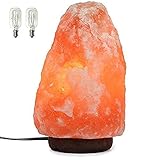
👉 Style Tip: Warm lighting instantly makes nighttime routines feel calmer and cozier.
🛍 Shop Himalayan Salt Lamp Here
5. Reduce Caffeine if Your Anxiety Feels Physical
Caffeine affects everyone differently, but for many people it can worsen anxiety symptoms like racing thoughts, shakiness, heart palpitations, and restlessness.
You don’t necessarily need to quit coffee completely, but reducing intake or switching to lower-caffeine options may help your nervous system feel calmer.
Many people notice a huge difference simply by avoiding caffeine later in the day.
👉 Style Tip: Herbal teas like chamomile, peppermint, or lemon balm can feel surprisingly calming during anxious moments.
🛍 Shop Herbal Tea Variety Pack Here

6. Journal Your Thoughts Instead of Holding Them In
Anxiety often grows louder when thoughts stay trapped in your head. Journaling helps organize emotions and release mental pressure instead of endlessly replaying worries internally.
You don’t need perfect writing or deep journaling prompts either. Even simple brain dumps like “What’s stressing me out right now?” can help reduce mental overwhelm.
Writing things down creates distance between you and anxious thoughts.
👉 Style Tip: Keep a small journal beside your bed for nighttime overthinking moments.
🛍 Shop Guided Anxiety Journal Here

7. Listen to Calming Music Instead of Doomscrolling
Your brain absorbs more emotional energy than you realize. Constant negative news, overstimulating videos, and endless scrolling can quietly increase anxiety levels.
Replacing some screen time with calming playlists, ambient music, piano, jazz, nature sounds, or lo-fi beats can help your nervous system settle down.
Music can genuinely shift emotional energy surprisingly quickly.
👉 Style Tip: Create a “calm nervous system” playlist specifically for stressful days.
🛍 Shop Noise Cancelling Headphones Here

8. Move Your Body Gently
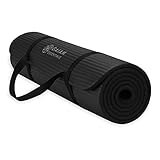
You don’t need intense workouts to calm anxiety. Gentle movement like walking, stretching, yoga, dancing, or light exercise helps release stress hormones stored in the body.
Anxiety often creates physical tension, so movement helps your nervous system process stress more effectively.
The goal isn’t perfection or fitness pressure — it’s simply helping your body feel less stuck.
👉 Style Tip: Choose movement that feels comforting instead of punishing.
9. Stop Consuming Constant Negative News
Your brain was not designed to absorb endless global stress 24/7. Constant exposure to upsetting headlines and negative content can quietly increase anxiety and emotional exhaustion.
Staying informed matters, but protecting your mental health matters too.
Try limiting news exposure or avoiding doomscrolling late at night.
👉 Style Tip: Replace evening scrolling with books, podcasts, or calming hobbies instead.
10. Keep Your Space Cozy and Calm
Your environment affects your nervous system more than you think. A cluttered, overstimulating space can increase mental stress, while a cozy calming environment helps your brain relax.
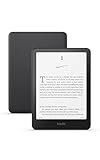
Soft lighting, blankets, candles, neutral colors, plants, calming scents, and organized spaces can genuinely make anxiety feel less intense.
Your room should feel emotionally safe — not visually overwhelming.
👉 Style Tip: Focus on making one calming corner instead of trying to organize everything at once.
🛍 Shop Essential Oil Diffuser Here

11. Drink More Water Throughout the Day
Dehydration can quietly worsen anxiety symptoms like dizziness, fatigue, headaches, irritability, and brain fog. Many people underestimate how much hydration affects mood and stress levels.
Keeping water nearby throughout the day can help your body feel more balanced and energized.
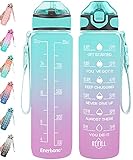
👉 Style Tip: Use a cute reusable water bottle to make hydration feel easier and more motivating.
🛍 Shop Motivational Water Bottle Here
12. Practice Grounding Techniques
Grounding helps bring your attention back to the present moment instead of anxious future-focused thinking.
One simple technique is naming:
- 5 things you can see
- 4 things you can touch
- 3 things you can hear
- 2 things you can smell
- 1 thing you can taste
This helps interrupt spiraling thoughts and reconnects your brain to reality.
👉 Style Tip: Keep grounding tools nearby like stress balls, soft blankets, or calming scents.
🛍 Shop Anxiety Relief Fidget Toys Here

13. Get Consistent Sleep
Sleep and anxiety are deeply connected 😭 Poor sleep increases emotional sensitivity, stress, overthinking, and nervous system dysregulation.
Even small improvements in sleep consistency can make anxiety feel more manageable.
Try going to bed around the same time daily and creating a calmer evening routine.
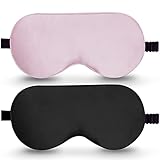
👉 Style Tip: Keep your bedroom cool, dark, and quiet for deeper rest.
14. Spend Less Time Multitasking
Your brain feels calmer when it focuses on one thing at a time. Constant multitasking keeps your nervous system overstimulated and mentally scattered.
Try slowing down while eating, working, cleaning, or relaxing instead of doing everything simultaneously.
👉 Style Tip: Background calming music can help make single-tasking feel more relaxing.

15. Learn to Say No More Often
Overcommitting creates emotional exhaustion fast. Protecting your energy is not selfish — it’s necessary for nervous system health.
You do not need to say yes to everything to be valuable or liked.
👉 Style Tip: Practice short gentle boundaries instead of overexplaining yourself.

16. Spend Time with Safe People
Anxiety feels heavier around people who drain your nervous system. Safe supportive relationships help your brain feel calmer and emotionally regulated.
Even short conversations with comforting people can shift your mood dramatically.
👉 Style Tip: Prioritize people who make you feel emotionally calm instead of emotionally confused.
🛍 Shop Long Distance Friendship Gifts Here

17. Limit Overstimulation When You Feel Overwhelmed
Bright lights, loud sounds, crowded spaces, and nonstop notifications can overwhelm an anxious nervous system quickly.
Sometimes calming anxiety means reducing input instead of forcing productivity.
👉 Style Tip: Create a low-stimulation “reset routine” for overwhelming days.
🛍 Shop Blue Light Blocking Glasses Here

18. Practice Gratitude Daily
Gratitude doesn’t magically erase anxiety, but it helps gently shift your attention away from constant fear and negativity.
Even noticing tiny comforting things — sunlight, coffee, music, clean sheets, pets, laughter — helps your brain practice emotional balance.
👉 Style Tip: Keep a small gratitude notebook beside your bed.

19. Spend Time Doing Something Creative
Creative hobbies help interrupt anxious thought spirals because they gently focus your attention elsewhere.
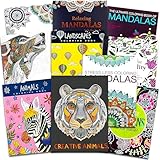
Drawing, painting, baking, crocheting, photography, journaling, crafting, music, or decorating can all feel surprisingly calming.
👉 Style Tip: Focus on enjoyment instead of trying to be “good” at the hobby.
🛍 Shop Adult Coloring Books Here
20. Take Slow Walks Without Your Phone
Walking without constant stimulation helps your brain settle naturally. No scrolling. No multitasking. Just movement, breathing, and existing in the moment.
Even 10–15 quiet minutes outside can reduce anxiety surprisingly fast.
👉 Style Tip: Focus on noticing sounds, smells, textures, and colors around you while walking.
🛍 Shop Comfortable Walking Sneakers Here

21. Stop Trying to “Fix” Every Emotion Immediately
Not every anxious feeling needs immediate solving. Sometimes emotions simply need space to move through you without panic or self-judgment.
Trying to force yourself to feel okay instantly can actually create more stress.
👉 Style Tip: Remind yourself: “This feeling is temporary, even if it feels intense right now.”
🛍 Shop Anxiety Affirmation Cards Here

22. Keep a “Comfort List” for Hard Days
When anxiety gets intense, decision-making becomes exhausting. A comfort list gives you quick reminders of things that help you feel safe and calm.
Your list might include:
- Favorite movies
- Comfort foods
- Safe people to call
- Music playlists
- Warm showers
- Favorite tea
- Walks
- Journaling
👉 Style Tip: Save your comfort list in your phone notes for easy access during stressful moments.
🛍 Shop Cozy Throw Blanket Here

23. Reduce Perfectionism
Perfectionism and anxiety are deeply connected. Constantly trying to do everything perfectly keeps your nervous system trapped in pressure and fear of failure.
Sometimes “good enough” truly is enough.
👉 Style Tip: Celebrate progress instead of waiting for perfection before feeling proud of yourself.
🛍 Shop Self Help Books for Anxiety Here
24. Practice Self-Compassion Instead of Self-Criticism
Anxiety already feels exhausting enough without constantly attacking yourself internally. Self-compassion helps create emotional safety instead of adding more pressure.
Talk to yourself the way you would talk to someone you deeply care about.
👉 Style Tip: Replace “What’s wrong with me?” with “What do I need right now?”
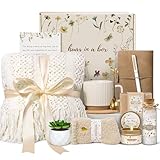
🛍 Shop Self Care Gift Box Here
25. Remember That Healing Takes Time
Natural anxiety relief is usually slow, gentle, and gradual — not instant. Tiny habits repeated consistently matter far more than dramatic overnight changes.
Your nervous system heals through safety, consistency, rest, support, and self-care over time 🤍
Even small calming habits can slowly create huge emotional shifts.
👉 Style Tip: Focus on building a peaceful lifestyle instead of chasing a perfectly anxiety-free life.
🛍 Shop Guided Meditation Journal Here

Final Thoughts
Anxiety can feel incredibly overwhelming, but small daily habits really do matter 🌿✨ You don’t need a perfect routine or dramatic life transformation to start calming your nervous system naturally.
Simple things like better sleep, sunlight, movement, hydration, journaling, boundaries, cozy routines, and reducing overstimulation can slowly help your mind feel safer and calmer over time.
Start with just one or two habits that feel realistic for your current season of life. Tiny steps still count. Healing doesn’t have to look perfect to be real 🤍
Discover more from Serenity Talks
Subscribe to get the latest posts sent to your email.


