

This Post Contains Affiliate Links. Please Read Our Disclosure for Full Information.
Waking up with a flatter belly isn’t about finding a miracle overnight solution—it’s about reducing bloating, improving digestion, getting quality sleep, and supporting your body’s natural recovery process. The habits you follow before bed can have a surprising impact on how you feel the next morning.
Simple changes like eating dinner earlier, staying hydrated, avoiding excess sodium, and creating a relaxing nighttime routine can help minimize water retention and support healthy metabolism. While these habits won’t burn belly fat overnight, they can help reduce temporary bloating and contribute to long-term weight management when combined with a balanced diet and regular exercise.
Here are 25 bedtime habits that can help you wake up feeling lighter, less bloated, and ready to start your day.
1. Eat Dinner at Least 2–3 Hours Before Bed
Eating a large meal right before bedtime gives your digestive system very little time to process food before you lie down. This can contribute to bloating, acid reflux, and uncomfortable fullness overnight.
Finishing dinner a few hours before sleep allows digestion to begin while you’re still upright, helping you wake up feeling lighter.
Healthy Habit Tip: If you’re hungry later in the evening, choose a light snack like plain Greek yogurt or a small handful of almonds instead of a heavy meal.
🛍 Shop here: Browse the best Portion Control Plates on Amazon

2. Drink Enough Water Throughout the Evening
Many people reduce water intake at night to avoid bathroom trips, but mild dehydration can actually encourage your body to retain water.
Drinking adequate water earlier in the evening supports digestion and may help reduce temporary water retention.
Healthy Habit Tip: Finish most of your hydration one to two hours before bedtime to balance hydration with uninterrupted sleep.
🛍 Shop here: Browse the best Insulated Water Bottles on Amazon

3. Skip Salty Late-Night Snacks
Chips, instant noodles, processed meats, and other salty snacks are high in sodium, which can increase water retention and leave you feeling puffy the next morning.
Choosing whole foods instead helps your body maintain a healthier fluid balance.
Healthy Habit Tip: If you crave something crunchy, try sliced cucumber, carrots, or unsalted popcorn.
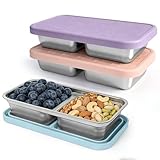
🛍 Shop here: Browse the best Healthy Snack Containers on Amazon
4. Take a Gentle Evening Walk
A relaxed 10–20 minute walk after dinner can support digestion, encourage movement after eating, and help you unwind before bed.
It also contributes to your daily physical activity without requiring an intense workout late at night.
Healthy Habit Tip: Walk at a comfortable pace instead of treating it as high-intensity exercise.
🛍 Shop here: Browse the best Comfortable Walking Shoes on Amazon

5. Limit Sugary Desserts Before Bed
Cookies, cakes, candy, and sugary drinks close to bedtime may contribute to excess calorie intake and can leave some people feeling sluggish or bloated.
Saving desserts for occasional treats—or choosing naturally sweet fruit—can support healthier eating habits.
Healthy Habit Tip: Fresh berries or kiwi make satisfying alternatives when you’re craving something sweet.
🛍 Shop here: Browse the best Glass Food Storage Containers on Amazon

6. Sip Herbal Tea Instead of Sugary Drinks
A warm cup of caffeine-free herbal tea can become a relaxing bedtime ritual. Options like chamomile, peppermint, or ginger tea are commonly enjoyed in the evening and may help some people feel more comfortable after meals.
Avoid teas containing caffeine if you’re sensitive to it.
Healthy Habit Tip: Drink unsweetened herbal tea to avoid unnecessary added sugars before bed.
🛍 Shop here: Browse the best Herbal Tea Variety Packs on Amazon

7. Stretch for 10 Minutes Before Sleeping
Gentle stretching helps relax tight muscles after a long day and creates a calming transition into sleep.
While stretching won’t directly reduce belly fat, it can improve relaxation and encourage a consistent bedtime routine that supports overall wellness.
Healthy Habit Tip: Focus on slow, controlled breathing during each stretch.
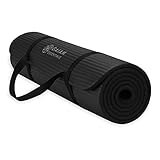
🛍 Shop here: Browse the best Yoga Mats on Amazon
8. Avoid Carbonated Drinks at Night
Carbonated beverages can introduce extra gas into your digestive system, which may contribute to temporary bloating in some people.
Switching to still water or herbal tea in the evening may help you feel more comfortable.
Healthy Habit Tip: If you enjoy sparkling drinks, have them earlier in the day instead of close to bedtime.
🛍 Shop here: Browse the best Reusable Glass Water Bottles on Amazon

9. Practice Deep Breathing Before Sleep
A few minutes of slow breathing can help calm your mind after a busy day. Managing stress is an important part of overall health, as ongoing stress may affect sleep quality and healthy lifestyle habits.
Even five minutes of quiet breathing can help create a peaceful bedtime routine.
Healthy Habit Tip: Try inhaling for four counts and exhaling for six counts to encourage relaxation.
🛍 Shop here: Browse the best Meditation Cushions on Amazon

10. Aim for 7–9 Hours of Quality Sleep
Consistently getting enough sleep supports overall health, appetite regulation, and recovery. Poor sleep is associated with changes in hunger hormones and can make it harder to maintain healthy habits.
Prioritizing a regular bedtime may benefit both your energy levels and long-term weight management.
Healthy Habit Tip: Go to bed and wake up at roughly the same time every day—even on weekends.
🛍 Shop here: Browse the best Memory Foam Pillows on Amazon

11. Avoid Alcohol Close to Bedtime
While alcohol may make you feel sleepy at first, it can disrupt sleep quality and contribute to dehydration, which may lead to temporary water retention and next-day puffiness.
Limiting alcohol in the evening can help you wake up feeling more refreshed.
Healthy Habit Tip: If you drink alcohol, have water alongside it and avoid making it a nightly habit.
🛍 Shop here: Browse the best Insulated Water Bottles on Amazon
12. Keep Evening Portions Moderate
Oversized dinners can leave you feeling overly full and uncomfortable at bedtime. Eating until you’re comfortably satisfied—not stuffed—supports a more pleasant night’s rest.
Balanced portions are also easier for your digestive system to handle.
Healthy Habit Tip: Fill half your dinner plate with vegetables before adding protein and whole grains.
🛍 Shop here: Browse the best Portion Control Bowls on Amazon

13. Include Lean Protein at Dinner
Protein helps promote fullness and is an important part of a balanced diet. Choosing lean options like chicken, fish, tofu, lentils, or beans can make for a satisfying evening meal.
Pair protein with vegetables and whole grains for a well-rounded plate.
Healthy Habit Tip: Aim to include a quality protein source with every dinner.
🛍 Shop here: Browse the best Meal Prep Containers on Amazon

14. Reduce Screen Time Before Bed
Scrolling on your phone or watching TV late into the night can interfere with your bedtime routine and make it harder to fall asleep.
Replacing screen time with reading or quiet relaxation may improve sleep quality.
Healthy Habit Tip: Turn off electronic devices at least 30 minutes before bedtime.
🛍 Shop here: Browse the best Bedside Reading Lamps on Amazon

15. Eat Potassium-Rich Foods with Dinner
Foods such as bananas, spinach, sweet potatoes, avocados, and tomatoes contain potassium, which helps support normal fluid balance in the body.
Including these foods as part of a balanced diet may help reduce temporary water retention for some people.
Healthy Habit Tip: Add a side of leafy greens or roasted sweet potatoes to your evening meal.
🛍 Shop here: Browse the best Glass Meal Prep Containers on Amazon

16. Skip Heavy Fried Foods at Night
Deep-fried foods can feel heavy and may leave some people feeling sluggish or bloated before bed.
Opting for grilled, baked, steamed, or roasted meals can make your dinner feel lighter while still being satisfying.
Healthy Habit Tip: Use herbs and spices to add flavor instead of relying on greasy sauces.
🛍 Shop here: Browse the best Air Fryers on Amazon

17. Spend a Few Minutes Journaling
Writing down your thoughts, tomorrow’s tasks, or things you’re grateful for can help clear your mind before bed.
A calmer mind often supports a more relaxing bedtime routine and better sleep.
Healthy Habit Tip: Keep a small notebook beside your bed and write for just five minutes each evening.
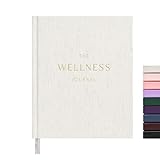
🛍 Shop here: Browse the best Guided Wellness Journals on Amazon
18. Limit Late-Night Caffeine
Coffee, energy drinks, strong tea, and some sodas consumed late in the day may make it harder to fall asleep.
Choosing caffeine-free beverages in the evening supports a more consistent sleep schedule.
Healthy Habit Tip: If you’re sensitive to caffeine, consider avoiding it after mid-afternoon.
🛍 Shop here: Browse the best Herbal Tea Gift Sets on Amazon

19. Sleep in a Cool, Comfortable Room
A cooler bedroom environment can make it easier to fall asleep and stay asleep throughout the night.
Good sleep quality supports recovery and helps maintain healthy daily habits.
Healthy Habit Tip: Keep your bedroom dark, quiet, and comfortably cool for better rest.
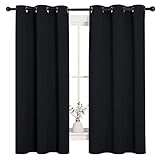
🛍 Shop here: Browse the best Blackout Curtains on Amazon
20. Be Consistent with Your Bedtime
Your body thrives on routine. Going to bed at roughly the same time every night helps reinforce your natural sleep-wake cycle.
Consistency can make it easier to fall asleep, wake up refreshed, and stick to other healthy habits.
Healthy Habit Tip: Set a nightly reminder to begin winding down 30–60 minutes before your planned bedtime.
🛍 Shop here: Browse the best Sunrise Alarm Clocks on Amazon

21. Avoid Eating Out of Boredom
Late-night snacking is often triggered by habit, boredom, or stress rather than true hunger. Learning to recognize the difference can help reduce unnecessary calorie intake before bed.
If you’ve already eaten a balanced dinner, try another relaxing activity instead of automatically reaching for food.
Healthy Habit Tip: Read a book, listen to calming music, or practice a hobby if late-night cravings are driven by boredom.
🛍 Shop here: Browse the best Healthy Snack Portion Containers on Amazon

22. Practice Mindful Eating at Dinner
Eating too quickly can cause you to consume more food than your body needs and may leave you feeling overly full.
Taking your time, chewing thoroughly, and paying attention to hunger and fullness cues can support digestion and reduce overeating.
Healthy Habit Tip: Put your fork down between bites and avoid scrolling on your phone while eating.
🛍 Shop here: Browse the best Portion Control Dinner Plates on Amazon

23. Prepare Tomorrow’s Healthy Breakfast
Planning a nutritious breakfast the night before makes it easier to start your day with healthy choices instead of grabbing processed convenience foods.
Simple options like overnight oats, boiled eggs, yogurt with fruit, or a smoothie pack can save time in the morning.
Healthy Habit Tip: Spend just five minutes preparing breakfast before bed to make healthy eating effortless.
🛍 Shop here: Browse the best Overnight Oat Containers on Amazon

24. Do a Few Minutes of Gentle Yoga
A short evening yoga routine can help relax tight muscles, reduce stress, and prepare your body for restful sleep.
Gentle poses like Child’s Pose, Cat-Cow, Legs-Up-the-Wall, and Supine Twist encourage relaxation without acting as an intense workout.
Healthy Habit Tip: Focus on slow breathing and gentle stretches rather than pushing your flexibility.
🛍 Shop here: Browse the best Yoga Blocks and Straps on Amazon

25. End the Day with Consistency, Not Perfection
One healthy bedtime habit won’t transform your body overnight, but practicing several consistently can support better sleep, improved digestion, reduced bloating, and healthier daily routines over time.
The goal isn’t perfection—it’s creating sustainable habits you can realistically maintain every evening.
Healthy Habit Tip: Pick two or three bedtime habits from this list and stick with them for a few weeks before adding more.
🛍 Shop here: Browse the best Habit Tracker Journals on Amazon

Conclusion
A flatter-looking belly in the morning is often the result of healthy evening habits that reduce temporary bloating, support good digestion, and promote restful sleep—not a single miracle trick. Eating dinner a little earlier, staying hydrated, limiting high-sodium and sugary foods, managing stress, and prioritizing quality sleep can all help you wake up feeling lighter and more energized.
It’s also important to remember that temporary bloating and long-term body fat are different. While these bedtime habits may help reduce overnight bloating and support overall wellness, lasting fat loss comes from maintaining a balanced diet, staying physically active, getting adequate sleep, and being consistent over time.
Start by choosing a few habits that fit naturally into your evening routine. Small, sustainable changes are far more effective than trying to overhaul everything at once—and over time, they can support both your health and your weight-management goals.
Save this post to your Pinterest board so you can easily revisit these bedtime habits whenever you want to create a healthier nighttime routine!
Discover more from Serenity Talks
Subscribe to get the latest posts sent to your email.


