

This Post Contains Affiliate Links. Please Read Our Disclosure for Full Information.
Getting to know yourself is a journey, and journaling can make that journey more meaningful. 💛 These 25 self-discovery journaling prompts will help you explore your values, emotions, dreams, habits, and personal growth. Whether you’re new to journaling or looking for deeper reflection, these thoughtful questions offer a gentle starting point.
1. What Makes Me Feel Most Like Myself?
Think about the moments when you feel completely comfortable being who you are.
Maybe it’s spending time with close friends, enjoying a favorite hobby, or having a quiet morning alone.
Write about the activities, people, and environments that allow your personality to shine naturally.
Consider whether you’re making enough room for these experiences in your everyday life.
✨ Journaling Tip: Describe three recent moments when you felt genuinely happy and comfortable in your own skin.
Explore self-discovery guided journals.

2. What Are My Five Most Important Personal Values?
Your values influence your choices, relationships, and priorities.
Think about the principles that matter most to you, such as honesty, kindness, freedom, creativity, family, or personal growth.
Choose five values and explain why each one is meaningful.
Then consider whether your daily decisions reflect those values.
✨ Journaling Tip: Write one practical action you can take this week to live more closely in alignment with your values.
Explore personal values journals.

3. What Activities Give Me Energy?
Some activities leave you feeling refreshed, inspired, and motivated.
Others may leave you feeling mentally or emotionally drained.
Reflect on the activities that naturally energize you.
Consider hobbies, conversations, routines, and experiences that improve your mood.
✨ Journaling Tip: Create two columns labeled “Energizing” and “Draining” to identify patterns in your daily life.
Explore daily reflection journals.

4. What Does My Ideal Day Look Like?
Imagine a day that feels peaceful, fulfilling, and balanced.
Where would you wake up? How would you spend your morning? What activities would fill your afternoon?
Write about your ideal day without worrying about whether every detail is currently possible.
Then identify small elements you could incorporate into your existing routine.
✨ Journaling Tip: Focus on how you want to feel throughout the day, not just what you want to accomplish.
Explore dream life planning journals.

5. What Are My Greatest Personal Strengths?
Recognizing your strengths can help you appreciate the qualities that make you unique.
Think about skills, personality traits, and habits that have helped you navigate different situations.
Maybe you’re patient, creative, dependable, compassionate, or good at solving problems.
Write about three strengths and describe how you’ve used them in real life.
✨ Journaling Tip: If identifying strengths feels difficult, remember a compliment you’ve received and consider why someone noticed that quality.
Explore self-confidence journals for adults.

6. What Habits Would I Like to Change?
Personal growth often begins with noticing everyday patterns.
Think about habits that no longer support your goals or well-being.
Perhaps you spend too much time scrolling, procrastinate on important tasks, or struggle to maintain a consistent routine.
Write about one habit you’d like to change and why it matters.
✨ Journaling Tip: Focus on one realistic adjustment rather than trying to transform your entire routine overnight.
Explore habit tracking journals.

7. What Am I Most Proud of Accomplishing?
Take a moment to recognize how far you’ve come.
Think about an accomplishment that required effort, courage, patience, or persistence.
It doesn’t have to be a major milestone.
Maybe you learned a new skill, improved a relationship, or worked through a challenging period.
✨ Journaling Tip: Write about what the experience taught you rather than focusing only on the final result.
Explore personal growth guided journals.

8. What Does Happiness Mean to Me?
Happiness looks different for everyone.
For some people, it means adventure and excitement. For others, it means stability, meaningful relationships, or peaceful routines.
Write your personal definition of happiness.
Consider whether your current lifestyle reflects that definition or someone else’s expectations.
✨ Journaling Tip: List five small experiences that bring you joy without requiring money or major planning.
Explore happiness and gratitude journals.

9. What Fears Are Holding Me Back?
Fear can influence decisions in ways we don’t always notice.
Think about something you’ve been avoiding because you’re worried about failure, rejection, uncertainty, or change.
Write about the fear and what you believe might happen.
Then consider whether there’s a small, manageable step you could take toward your goal.
✨ Journaling Tip: Separate what you know for certain from what you’re imagining might happen.
Explore courage and confidence journals.

10. What Kind of Person Do I Want to Become?
Self-discovery isn’t only about understanding who you are today.
It’s also about exploring the person you hope to become.
Think about the qualities, habits, and values you want to develop over the next few years.
Describe your future self in a thoughtful and realistic way.
✨ Journaling Tip: Choose one quality you’d like to strengthen and identify a small action that reflects it.
Explore future self journals.

11. What Situations Make Me Feel Confident?
Confidence can look different depending on the situation.
You may feel comfortable sharing ideas at work but nervous in unfamiliar social settings.
Reflect on moments when you feel capable, relaxed, and sure of yourself.
What skills, preparation, or supportive environments contribute to that feeling?
✨ Journaling Tip: Identify one confidence-building habit you can practice in situations that currently feel challenging.
Explore confidence building workbooks.
12. What Do I Need More of in My Life?
Sometimes personal growth involves adding something meaningful rather than removing something negative.
Think about what you wish you had more of.
Perhaps it’s rest, creativity, friendship, movement, learning, or quality time with loved ones.
Write about why that need matters and how you might make room for it.
✨ Journaling Tip: Choose one small change you could make this week to support the need you’ve identified.
Explore intentional living journals.

13. What Do I Need Less of in My Life?
Reflect on the habits, commitments, or distractions that take up more energy than you’d like.
Maybe you’re overcommitting, comparing yourself to others, or spending too much time on activities that don’t feel meaningful.
Write about what you’d like to reduce and how doing so could create more space for your priorities.
✨ Journaling Tip: Focus on what you can realistically change rather than criticizing yourself for past choices.
Explore minimalist living journals.

14. What Have My Past Challenges Taught Me?
Difficult experiences can influence how we understand ourselves.
Think about a challenge you’ve faced and the lessons you took from it.
Perhaps you discovered a personal strength, learned to ask for help, or realized the importance of setting boundaries.
Write about what changed in your perspective.
✨ Journaling Tip: You don’t need to revisit painful experiences in detail. Choose a memory that feels comfortable to reflect on.
Explore resilience reflection journals.

15. What Does Success Mean to Me Personally?
Success is often measured through careers, money, achievements, or social recognition.
But your personal definition may look completely different.
Think about what a successful life means to you.
Does it involve meaningful work, strong relationships, financial stability, creativity, freedom, or something else?
✨ Journaling Tip: Write your definition of success without comparing it to anyone else’s milestones.
Explore goal setting journals for adults.
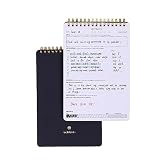
16. What Boundaries Would Help Me Feel More Balanced?
Healthy boundaries can help protect your time, energy, and personal priorities.
Think about situations where you frequently feel overwhelmed or stretched too thin.
Perhaps you struggle to say no, take on too many responsibilities, or have difficulty finding personal time.
Write about one boundary that could help.
✨ Journaling Tip: Practice writing a respectful sentence you could use to communicate that boundary.
Explore healthy boundaries workbooks.

17. What Childhood Interests Still Bring Me Joy?
Think about the hobbies and activities you loved when you were younger.
Did you enjoy drawing, reading, dancing, building things, exploring nature, or telling stories?
Consider whether those interests still bring you happiness today.
You might discover a forgotten hobby worth revisiting.
✨ Journaling Tip: Choose one childhood activity you can try again, even if it’s only for a few minutes.
Explore creative self-discovery journals.

18. What Qualities Do I Appreciate Most in Other People?
The qualities you admire in others can reveal something about your own values.
Think about people you respect and the traits that stand out.
Maybe you admire honesty, courage, kindness, creativity, or patience.
Write about why those qualities matter to you.
✨ Journaling Tip: Consider which admired qualities you already demonstrate and which you’d like to develop further.
Explore reflection journals for personal growth.

19. What Does a Healthy Relationship Look Like to Me?
Relationships can shape how we experience everyday life.
Think about the qualities that help you feel respected, supported, and comfortable with another person.
Consider communication, trust, honesty, personal space, and mutual understanding.
Write about what you value most in friendships, family relationships, or romantic partnerships.
✨ Journaling Tip: Focus on the qualities of a healthy relationship rather than comparing specific people.
Explore relationship reflection journals.

20. What Dreams Have I Been Putting Aside?
Sometimes responsibilities and routines cause us to postpone meaningful goals.
Think about a dream you’ve been setting aside.
It might involve learning something new, traveling, changing careers, starting a creative project, or developing a personal skill.
Write about why the dream matters and what has prevented you from pursuing it.
✨ Journaling Tip: Identify one small action that would bring you closer to your dream without creating unnecessary pressure.
Explore dream planning notebooks.

21. What Do I Usually Do When I Feel Overwhelmed?
Understanding your reactions to stress can help you notice patterns in your behavior.
Think about what you typically do when responsibilities pile up.
Do you withdraw, procrastinate, seek support, become restless, or try to solve everything immediately?
Write about which responses help and which ones make things harder.
✨ Journaling Tip: Make a short list of comforting, practical activities you can turn to during stressful moments.
Explore stress relief guided journals.

22. What Am I Ready to Let Go Of?
Personal growth sometimes involves releasing expectations, habits, or beliefs that no longer serve you.
Think about something you’ve been holding onto that creates unnecessary pressure.
Maybe it’s perfectionism, an outdated goal, or the belief that you must please everyone.
Write about what letting go might look like.
✨ Journaling Tip: Focus on what you want to make room for rather than only what you’re leaving behind.
Explore letting go guided journals.

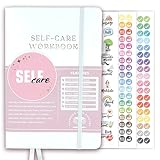
23. What Does Self-Care Actually Mean to Me?
Self-care isn’t limited to skincare routines, relaxing baths, or quiet evenings.
It can also involve setting boundaries, getting enough sleep, maintaining relationships, or managing responsibilities.
Write about the activities and habits that genuinely support your well-being.
Consider which forms of self-care are most helpful during different seasons of life.
✨ Journaling Tip: Create a realistic self-care menu with quick, free, and longer activities.
Explore self-care planning journals.
24. What Would I Tell My Younger Self?
Imagine having a thoughtful conversation with a younger version of yourself.
What advice, encouragement, or reassurance would you offer?
Think about lessons you’ve learned and experiences that changed your perspective.
Write a compassionate letter to your younger self.
✨ Journaling Tip: Keep the tone kind and supportive. Avoid judging yourself for things you didn’t understand at the time.
Explore letter writing journals.

25. What Do I Want My Life to Feel Like One Year From Now?
Imagine looking back on your life one year from today.
Instead of focusing only on achievements, consider how you want to feel.
Perhaps you’d like to experience more confidence, calm, connection, purpose, or creativity.
Write about the habits, relationships, and routines that could support those feelings.
✨ Journaling Tip: Choose three realistic intentions for the coming year and revisit them during your monthly reflections.
Explore one year personal growth journals.

Best Self-Discovery Journaling Prompts for Different Goals
Not sure where to begin? Choose a journaling prompt based on what you’d like to explore.
| Self-Discovery Goal | Recommended Prompts |
|---|---|
| Understanding personal values | Prompts 2, 8, and 15 |
| Building self-confidence | Prompts 5, 7, and 11 |
| Exploring future goals | Prompts 4, 10, 20, and 25 |
| Understanding emotions | Prompts 3, 9, and 21 |
| Improving daily habits | Prompts 6, 12, and 13 |
| Reflecting on relationships | Prompts 16, 18, and 19 |
| Practicing self-compassion | Prompts 14, 22, and 24 |
| Exploring creativity | Prompts 1 and 17 |
| Developing self-care routines | Prompt 23 |
Journaling Tip: You don’t need to complete the prompts in order. Start with whichever question feels most meaningful to you.
How to Start a Self-Discovery Journaling Routine
Self-discovery journaling doesn’t need to be complicated or time-consuming.
Follow these simple steps:
- Choose a comfortable space. Find somewhere quiet where you can write without unnecessary distractions.
- Pick one prompt. Focus on a single question rather than trying to answer several at once.
- Set aside 5–10 minutes. Start with a manageable amount of time.
- Write freely. Don’t worry about perfect grammar, spelling, or sentence structure.
- Be curious rather than critical. Treat your thoughts as information, not something to judge.
- Notice recurring themes. Pay attention to values, goals, and feelings that appear repeatedly.
- Revisit previous entries. Look back occasionally to notice how your perspective may have changed.
Remember that journaling is a personal practice. There is no perfect way to do it.
A Simple 7-Day Self-Discovery Journaling Challenge
Want a little structure for your first week?
Try this beginner-friendly journaling challenge.
| Day | Journaling Focus | Prompt |
|---|---|---|
| Day 1 | Identity | What makes me feel most like myself? |
| Day 2 | Values | What are my five most important personal values? |
| Day 3 | Strengths | What are my greatest personal strengths? |
| Day 4 | Happiness | What does happiness mean to me? |
| Day 5 | Habits | What habits would I like to change? |
| Day 6 | Dreams | What dreams have I been putting aside? |
| Day 7 | Future self | What do I want my life to feel like one year from now? |
Spend approximately 5–10 minutes on each prompt.
If a question feels especially meaningful, take more time to explore it.
7 Tips for Getting More Out of Self-Discovery Journaling
A few thoughtful habits can make your journaling practice more enjoyable and useful.
- Be honest with yourself. Write what you genuinely think and feel rather than what sounds impressive.
- Avoid perfectionism. Your journal doesn’t need to be beautifully written or organized.
- Start small. Even a few sentences can offer something worth reflecting on.
- Use specific examples. Real experiences often reveal more than general statements.
- Respect your emotional boundaries. Skip prompts that feel overwhelming or uncomfortable.
- Notice patterns over time. Repeated themes may help you identify important priorities.
- Turn insights into small actions. Use what you learn to make realistic changes in everyday life.
The purpose of self-discovery journaling is understanding yourself better, not creating another task you feel pressured to complete.
Common Self-Discovery Journaling Mistakes to Avoid
Journaling can feel less enjoyable when you put unnecessary expectations on yourself.
Here are a few common mistakes to avoid:
- Trying to answer every prompt at once: Give yourself time to explore each question.
- Judging your thoughts: Allow yourself to write honestly without criticism.
- Comparing your answers to others: Self-discovery is personal and doesn’t follow one universal path.
- Expecting immediate clarity: Some questions may take time to understand.
- Forcing yourself to revisit painful memories: You can skip or modify any prompt.
- Focusing only on problems: Make room to recognize your strengths, joys, and accomplishments.
- Turning journaling into a chore: Choose a flexible routine that fits your life.
A gentle, consistent approach is often more sustainable than trying to journal perfectly.
Frequently Asked Questions About Self-Discovery Journaling
What is self-discovery journaling?
Self-discovery journaling is a reflective writing practice that encourages you to explore your thoughts, feelings, values, habits, and personal goals.
It can help you notice patterns and better understand your priorities.
How do I start journaling for self-discovery?
Choose one meaningful question, set aside a few quiet minutes, and write whatever comes to mind.
You don’t need special writing skills or a complicated journaling system.
What are the best self-discovery journaling prompts for beginners?
Simple questions such as “What makes me happy?”, “What are my strengths?”, and “What do I want more of in my life?” are good starting points.
How often should I journal for self-discovery?
You can journal daily, a few times per week, or whenever you feel like reflecting.
Consistency can be helpful, but there’s no required schedule.
Can self-discovery journaling improve self-awareness?
Journaling may help you become more aware of your thoughts, emotions, values, and behavioral patterns.
However, the experience varies from person to person.
What should I do if I don’t know how to answer a journaling prompt?
Start by writing, “I’m not sure yet, but…”
You can also describe a recent experience related to the question or return to the prompt another day.
Is self-discovery journaling the same as therapy?
No. Journaling is a personal reflection tool and isn’t a replacement for professional mental health care.
If journaling brings up distressing feelings or difficult experiences, consider seeking support from a qualified mental health professional.
Final Thoughts
Understanding yourself better doesn’t happen overnight, and that’s perfectly okay. 💛
These 25 self-discovery journaling prompts offer a gentle way to explore your personality, values, dreams, emotions, and personal growth.
From recognizing your strengths to reflecting on your future goals, every question creates an opportunity to learn something meaningful about yourself.
Start with one prompt, write honestly, and give yourself permission to explore your thoughts without judgment.
You don’t need to have all the answers. Sometimes, simply asking the right questions is a meaningful beginning.
Save these self-discovery journaling prompts to your Pinterest Journaling Prompts board so you can return to them whenever you need a little inspiration for personal reflection.
Happy journaling and self-discovery! ✨
Discover more from Serenity Talks
Subscribe to get the latest posts sent to your email.


