

This Post Contains Affiliate Links. Please Read Our Disclosure for Full Information.
Many women notice that losing belly fat becomes more challenging after 40. Hormonal changes during perimenopause and menopause, a gradual decline in muscle mass, changing activity levels, and everyday stress can all make weight management feel different than it did in your 20s or 30s.
The good news is that you don’t need to starve yourself or follow extreme diets to make progress. While it’s not possible to spot-reduce belly fat, research consistently shows that sustainable habits—like eating enough protein, strength training, sleeping well, and managing stress—can help reduce overall body fat, including around the waist.
If you’re looking for realistic, long-term strategies instead of quick fixes, these 27 science-backed tips can help you lose weight, preserve muscle, and improve your overall health after 40.
1. Prioritize Protein at Every Meal
Protein becomes even more important after 40 because it helps preserve lean muscle while you’re losing weight. Since muscle naturally declines with age, getting enough protein supports a healthier metabolism and keeps you feeling full longer.
Aim to include protein from foods like eggs, fish, chicken, Greek yogurt, tofu, beans, or cottage cheese at each meal.
Healthy Tip: Try to include a source of protein within your first meal of the day to reduce hunger later.
🛍 Shop here: Browse the best Protein Shaker Bottles on Amazon

2. Lift Weights at Least Twice a Week
Strength training is one of the most effective ways to maintain muscle mass after 40. More muscle helps support your metabolism and improves strength, balance, and bone health.
You don’t need a gym membership—even resistance bands and bodyweight exercises can be highly effective.
Healthy Tip: Focus on full-body workouts that include squats, rows, lunges, presses, and core exercises.
🛍 Shop here: Browse the best Resistance Bands on Amazon

3. Stop Skipping Meals
Skipping meals often leads to intense hunger later in the day, making it easier to overeat or reach for highly processed snacks.
Instead of starving yourself, focus on balanced meals that combine protein, fiber, and healthy fats to keep you satisfied.
Healthy Tip: Build meals that leave you comfortably full rather than overly stuffed.
🛍 Shop here: Browse the best Glass Meal Prep Containers on Amazon

4. Eat More Fiber Every Day
Fiber slows digestion, supports gut health, and helps you stay full for longer. It may also help reduce overall calorie intake by improving satiety.
Excellent sources include vegetables, fruits, beans, lentils, oats, chia seeds, flaxseeds, and whole grains.
Healthy Tip: Increase fiber gradually and drink plenty of water throughout the day.
🛍 Shop here: Browse the best Chia Seed Storage Containers on Amazon

5. Walk Every Day
Walking is one of the easiest forms of exercise to maintain long term. Daily walks increase calorie expenditure, improve heart health, and help reduce stress.
Even 30 minutes a day can make a meaningful difference when combined with healthy eating.
Healthy Tip: Walk after meals when possible to help increase your daily movement.
🛍 Shop here: Browse the best Walking Shoes for Women on Amazon

6. Sleep 7–9 Hours Every Night
Poor sleep affects hormones involved in hunger and fullness, making it harder to manage cravings and food choices.
Consistent, high-quality sleep also supports recovery from exercise and overall well-being.
Healthy Tip: Try going to bed and waking up at the same time every day.
🛍 Shop here: Browse the best White Noise Machines on Amazon

7. Drink Water Before Meals
Having a glass of water before eating may help you feel fuller and reduce the likelihood of overeating, especially if you sometimes confuse thirst with hunger.
Staying hydrated also supports normal body functions and exercise performance.
Healthy Tip: Carry a reusable water bottle so hydration becomes a daily habit.
🛍 Shop here: Browse the best Insulated Water Bottles on Amazon

8. Reduce Liquid Calories
Soft drinks, sweetened coffees, flavored teas, and fruit juices can add significant calories without keeping you full.
Replacing sugary beverages with water, sparkling water, or unsweetened tea is a simple way to reduce calorie intake.
Healthy Tip: If you enjoy coffee, try reducing added syrups and sugar gradually.
🛍 Shop here: Browse the best Reusable Water Tumblers on Amazon

9. Manage Stress Every Day
Long-term stress can make healthy habits harder to maintain and may contribute to emotional eating.
Simple practices like walking, meditation, deep breathing, journaling, or spending time outdoors can help lower stress levels.
Healthy Tip: Even 10 minutes of relaxation each day can support your overall wellness routine.
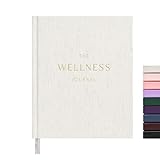
🛍 Shop here: Browse the best Guided Journals for Wellness on Amazon
10. Build Your Plate Around Vegetables
Vegetables are naturally rich in fiber and nutrients while being relatively low in calories. Filling half your plate with non-starchy vegetables can help you feel satisfied without excessive calories.
Colorful vegetables also provide antioxidants and vitamins that support healthy aging.
Healthy Tip: Include at least two different vegetable colors with lunch and dinner whenever possible.
🛍 Shop here: Browse the best Vegetable Choppers on Amazon

11. Focus on Strength Before Cardio
While cardio burns calories, strength training helps preserve and build lean muscle, which naturally declines with age. Maintaining muscle supports a healthier metabolism and improves everyday strength.
A combination of strength training and moderate cardio is generally more effective for long-term weight management than relying on cardio alone.
Healthy Tip: Aim for two to three full-body strength workouts each week and add walking or cycling on other days.
🛍 Shop here: Browse the best Adjustable Dumbbells on Amazon

12. Eat Slowly and Mindfully
Eating too quickly can make it harder to recognize when you’re comfortably full. Slowing down allows your body more time to signal fullness, which may help reduce overeating.
Enjoy your meals without distractions whenever possible.
Healthy Tip: Chew thoroughly and pause between bites to naturally slow your eating pace.
🛍 Shop here: Browse the best Portion Control Plates on Amazon

13. Don’t Fear Healthy Fats
Healthy fats from foods like avocados, nuts, seeds, olive oil, and fatty fish help support heart health and make meals more satisfying.
Although fats are calorie-dense, moderate portions can fit well into a balanced weight-loss plan.
Healthy Tip: Add a small serving of healthy fat to meals instead of eliminating fat completely.
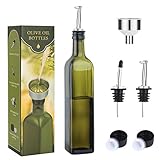
🛍 Shop here: Browse the best Olive Oil Dispensers on Amazon
14. Cut Back on Added Sugar
Regularly consuming foods high in added sugar can make it easier to exceed your daily calorie needs while providing little nutritional value.
Reducing sugary snacks and desserts gradually is often more sustainable than eliminating them overnight.
Healthy Tip: Satisfy your sweet tooth with naturally sweet fruits more often.
🛍 Shop here: Browse the best Glass Snack Containers on Amazon

15. Include More Whole Foods
Whole foods such as vegetables, fruits, legumes, lean proteins, nuts, seeds, and whole grains are generally more filling and nutrient-dense than highly processed alternatives.
Building meals around these foods can naturally support healthy eating habits.
Healthy Tip: Shop the perimeter of the grocery store first, where fresh foods are often located.
🛍 Shop here: Browse the best Reusable Produce Bags on Amazon

16. Stay Active Throughout the Day
Your daily movement outside of structured workouts also matters. Taking the stairs, gardening, standing up regularly, or walking while talking on the phone all contribute to your overall activity level.
These small habits can add up over time.
Healthy Tip: Set a reminder to stand and move for a few minutes every hour.
🛍 Shop here: Browse the best Fitness Activity Trackers on Amazon

17. Limit Late-Night Snacking
Eating late at night isn’t automatically unhealthy, but frequent mindless snacking while watching TV can make it easier to consume excess calories.
If you’re genuinely hungry, choose a balanced snack rather than highly processed treats.
Healthy Tip: Brush your teeth after dinner to help signal that eating for the day is finished.
🛍 Shop here: Browse the best Herbal Tea Variety Packs on Amazon

18. Increase Your Daily Step Count
You don’t have to run marathons to lose weight. Simply walking more throughout the day can significantly increase your overall calorie expenditure.
Many people find that gradually increasing their daily steps is easier to maintain than intense exercise programs.
Healthy Tip: Park farther away, take walking breaks, or enjoy an evening stroll after dinner.
🛍 Shop here: Browse the best Comfortable Walking Shoes for Women on Amazon

19. Track Your Progress Beyond the Scale
Your weight is only one measure of progress. Improvements in waist circumference, energy levels, strength, endurance, sleep quality, and how your clothes fit are all meaningful signs that your healthy habits are working.
Focusing on multiple indicators can help you stay motivated.
Healthy Tip: Measure your waist once a month rather than weighing yourself multiple times every day.
🛍 Shop here: Browse the best Body Measuring Tapes on Amazon

20. Be Patient With the Process
Healthy, sustainable fat loss takes time—especially after 40. Rapid weight-loss methods are often difficult to maintain and can increase the risk of losing muscle along with fat.
Small, consistent improvements in nutrition, movement, sleep, and stress management are far more likely to produce lasting results.
Healthy Tip: Celebrate healthy habits each week instead of focusing only on the number on the scale.
🛍 Shop here: Browse the best Habit Tracker Journals on Amazon

21. Include Omega-3-Rich Foods Each Week
Omega-3 fats from foods like salmon, sardines, mackerel, walnuts, chia seeds, and flaxseeds support heart health and may help reduce inflammation. They also make balanced meals more satisfying.
While omega-3s aren’t a fat-loss shortcut, they can be a valuable part of an overall healthy eating pattern.
Healthy Tip: Aim to include fatty fish twice a week or add chia or flaxseeds to yogurt, oatmeal, or smoothies.
🛍 Shop here: Browse the best Ground Flaxseed on Amazon

22. Make Recovery Part of Your Fitness Routine
Exercise helps your body get stronger, but recovery is when those improvements happen. Overtraining without enough rest can leave you feeling exhausted and make it harder to stay consistent.
Rest days, gentle stretching, and mobility work help keep your body healthy and ready for your next workout.
Healthy Tip: Schedule at least one or two recovery days each week, especially after intense strength-training sessions.
🛍 Shop here: Browse the best Foam Rollers on Amazon

23. Read Nutrition Labels Carefully
Packaged foods can appear healthy while containing large amounts of added sugar, sodium, or saturated fat. Learning to read nutrition labels helps you make informed choices without following restrictive diets.
Focus on serving size, protein, fiber, and added sugars rather than marketing claims on the front of the package.
Healthy Tip: Compare similar products and choose the option with more protein and fiber and less added sugar.
🛍 Shop here: Browse the best Healthy Eating Cookbooks on Amazon

24. Build a Supportive Environment
Long-term success is easier when your environment supports your goals. Keep nutritious foods readily available, plan meals ahead of time, and surround yourself with people who encourage healthy habits.
Small environmental changes often make healthy choices feel effortless.
Healthy Tip: Keep washed fruit and cut vegetables at eye level in the refrigerator for quick, healthy snacks.
🛍 Shop here: Browse the best Produce Storage Containers on Amazon

25. Strengthen Your Core Alongside Full-Body Training
Core exercises improve posture, balance, and functional strength, making everyday activities easier. While strengthening your core won’t specifically burn belly fat, it helps build the muscles underneath as overall body fat decreases.
Combine planks, bird dogs, dead bugs, and side planks with full-body strength training for the best results.
Healthy Tip: Add five to ten minutes of core exercises after your regular workouts two or three times per week.
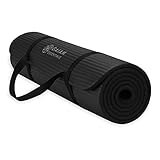
🛍 Shop here: Browse the best Exercise Mats on Amazon
26. Limit Ultra-Processed Foods Most of the Time
Ultra-processed foods often combine refined grains, added sugars, unhealthy fats, and excess sodium, making it easier to consume more calories than intended.
You don’t have to eliminate them completely, but making whole foods your default choice can support sustainable weight loss.
Healthy Tip: Follow the 80/20 approach—eat mostly nutrient-dense foods while leaving room for occasional treats.
🛍 Shop here: Browse the best Glass Pantry Storage Containers on Amazon

27. Make Lifestyle Changes You Can Maintain for Years
The most successful weight-loss plan isn’t the fastest—it’s the one you can continue long after reaching your goal. Sustainable habits consistently outperform restrictive diets that are difficult to maintain.
Focus on eating balanced meals, staying active, sleeping well, managing stress, and being patient with your progress. These habits support overall fat loss, better health, and a stronger body at every stage of life.
Healthy Tip: Instead of aiming for perfection, focus on improving one healthy habit each week until it becomes part of your daily routine.
🛍 Shop here: Browse the best Wellness Habit Tracker Journals on Amazon
Conclusion
Losing belly fat after 40 isn’t about eating less at all costs—it’s about eating smarter, moving consistently, preserving muscle, and taking care of your overall health. While hormonal changes can make weight loss feel slower, they don’t make it impossible.
By prioritizing protein, strength training, daily movement, quality sleep, stress management, and nutrient-dense whole foods, you can create a sustainable routine that supports gradual fat loss without feeling deprived.
Remember that no single food, supplement, or workout can specifically target belly fat. Instead, focus on building habits you can maintain for years. Over time, those consistent choices can lead to a healthier waistline, increased energy, improved strength, and greater confidence.
📌 Save this post to your Pinterest boards like “Weight Loss Over 40, Healthy Aging for Women, Menopause Weight Loss,” or “Belly Fat Loss Tips” so you can revisit these evidence-based strategies whenever you need motivation.
Discover more from Serenity Talks
Subscribe to get the latest posts sent to your email.


