

This Post Contains Affiliate Links. Please Read Our Disclosure for Full Information.
Eating healthy doesn’t have to mean counting every calorie, giving up your favorite foods, or following complicated meal plans. One of the easiest ways to nourish your body is by building a balanced plate. Instead of focusing on restrictions, a balanced plate helps you include the right mix of protein, fiber, healthy fats, and carbohydrates so every meal leaves you satisfied and energized.
Whether your goal is weight management, improved energy, better blood sugar control, or simply eating more nutritious meals, learning how to build a balanced plate is a simple habit that can make a big difference. Here’s exactly how to create one every single time.
Healthy Reminder: Individual nutrition needs vary depending on age, activity level, medical conditions, and personal goals. If you have a medical condition or specific dietary needs, consult a registered dietitian or healthcare professional.
1. Fill Half Your Plate with Vegetables
Vegetables should be the star of most meals. They’re naturally rich in vitamins, minerals, antioxidants, and fiber while being relatively low in calories.
Colorful vegetables also add flavor, crunch, and variety to your plate, making healthy eating much more enjoyable.
👉 Healthy Tip: Aim for at least two different colors of vegetables at each meal.
🛍 Shop here:

2. Add a Lean Protein Source
Protein helps keep you full, supports muscle maintenance, and plays an important role in many body functions.
Great options include chicken, turkey, fish, eggs, tofu, beans, lentils, Greek yogurt, or cottage cheese.
👉 Healthy Tip: Try to include protein with every meal.
🛍 Shop here:

3. Choose Smart Carbohydrates
Carbohydrates provide your body with energy, but choosing whole-food sources can help keep you feeling fuller for longer.
Brown rice, quinoa, oats, sweet potatoes, whole-grain bread, and whole-wheat pasta are excellent choices.
👉 Healthy Tip: Whenever possible, choose whole grains over refined grains.
🛍 Shop here:

4. Don’t Forget Healthy Fats
Healthy fats support heart health, brain function, and help your body absorb certain vitamins.
Avocados, olive oil, nuts, seeds, and nut butters are easy ways to include them.
👉 Healthy Tip: A little goes a long way since healthy fats are calorie-dense.
🛍 Shop here:

5. Add Fiber Whenever Possible
Fiber supports digestion and helps you stay satisfied between meals.
Vegetables, fruits, beans, lentils, oats, seeds, and whole grains are all excellent fiber sources.
👉 Healthy Tip: Increase fiber gradually and drink plenty of water.
🛍 Shop here:

6. Include a Serving of Fruit
Fruit adds natural sweetness, fiber, vitamins, and antioxidants to your day.
Fresh, frozen, and unsweetened fruit all make excellent choices.
👉 Healthy Tip: Pair fruit with protein like Greek yogurt or nuts for a satisfying snack.
🛍 Shop here:

7. Stay Hydrated
Water plays a vital role in digestion, energy, and overall health.
Sometimes thirst can even be mistaken for hunger.
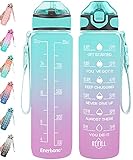
👉 Healthy Tip: Drink water with every meal and keep a reusable bottle nearby.
🛍 Shop here:
8. Watch Portion Sizes
Even nutritious foods can contribute to excess calorie intake when portions become too large.
Learning portion awareness helps create a more balanced relationship with food.
👉 Healthy Tip: Eat slowly and pause before going back for seconds.
🛍 Shop here:

9. Limit Ultra-Processed Foods
Highly processed foods often contain added sugars, sodium, and saturated fats.
Enjoying them occasionally is perfectly fine, but building meals around whole foods provides more nutrients.
👉 Healthy Tip: Read ingredient labels when shopping.
🛍 Shop here:

10. Plan Meals Ahead
Planning ahead makes healthy eating much easier during busy weeks.
Having ingredients ready reduces the temptation to rely on fast food or takeout.
👉 Healthy Tip: Prep vegetables and proteins on the weekend to save time.
🛍 Shop here:
11. Build Colorful Plates
Different colored fruits and vegetables provide different nutrients and beneficial plant compounds.
The more colorful your plate, the more variety you’re likely getting.
👉 Healthy Tip: Challenge yourself to include at least three colors at lunch and dinner.
🛍 Shop here:

12. Follow the 50-25-25 Plate Method
A simple visual guide can make healthy eating effortless:
- 50%: Non-starchy vegetables
- 25%: Lean protein
- 25%: Whole grains or healthy carbohydrates
This balanced approach provides fiber, protein, healthy fats, and energy without overcomplicating meal planning.
👉 Healthy Tip: Use this method for lunch and dinner most days of the week.
🛍 Shop here:

Sample Balanced Plate Ideas
🥗 Lunch
- Grilled chicken
- Brown rice
- Roasted broccoli
- Mixed salad
- Olive oil dressing
🍣 Dinner
- Baked salmon
- Sweet potato
- Steamed green beans
- Side salad
🌮 Vegetarian Option
- Black beans
- Quinoa
- Roasted vegetables
- Avocado slices
- Salsa
🍳 Breakfast
- Scrambled eggs
- Whole-grain toast
- Fresh berries
- Greek yogurt
Conclusion
Building a balanced plate doesn’t require strict rules or complicated meal plans. By filling half your plate with colorful vegetables, adding lean protein, choosing whole-food carbohydrates, including healthy fats, and paying attention to portion sizes, you can create satisfying meals that support your overall health and energy levels.
Remember, healthy eating isn’t about perfection—it’s about consistency. Start with one meal at a time, experiment with different ingredients, and focus on creating balanced plates that you genuinely enjoy. Over time, these simple habits can become second nature and help you build a sustainable, nourishing way of eating.
Save this post to your Pinterest board so you can come back to this balanced plate guide anytime!
Discover more from Serenity Talks
Subscribe to get the latest posts sent to your email.


