

This Post Contains Affiliate Links. Please Read Our Disclosure for Full Information.
A well-stocked first aid kit is something every home should have—but if you enjoy natural wellness, you can also include a selection of herbal products for minor everyday issues like dry skin, bug bites, scrapes, and sore muscles. An herbal first aid kit isn’t meant to replace emergency medical care or prescribed treatments, but it can be a helpful addition for common situations where gentle, plant-based products may provide comfort.
The best part is that you can build your own kit with a handful of versatile items and keep everything neatly organized at home or take it with you while traveling, camping, or hiking. In this guide, you’ll learn which herbal products are worth including, how to organize them, and the essential non-herbal supplies every first aid kit should still contain.
Important: An herbal first aid kit is for minor, everyday situations only. Seek professional medical care for serious injuries, allergic reactions, severe burns, deep wounds, poisoning, difficulty breathing, or any medical emergency.
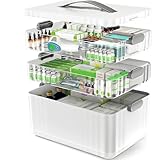
1. Start with a Durable Storage Box
Every good first aid kit begins with an organized container. Choose a sturdy, waterproof case with compartments so you can quickly find what you need.
A portable box also makes it easy to bring your kit on road trips, hikes, or family vacations.
👉 Herbal Tip: Label each section so products stay organized and easy to identify.
🛍 Shop here:


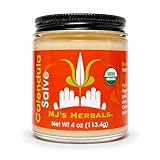
2. Include Calendula Salve
Calendula is commonly used in skincare products because it helps soothe and moisturize dry or irritated skin.
Many people like to keep a calendula salve in their kit for minor skin discomforts and rough patches.
👉 Herbal Tip: Store salves in a cool, dry place and check expiration dates regularly.
🛍 Shop here:



3. Add Aloe Vera Gel
Pure aloe vera gel is a versatile addition that many people use to cool and moisturize skin after sun exposure or minor skin irritation.
Choose products with a high percentage of aloe vera and minimal added fragrances.
👉 Herbal Tip: Keep aloe vera in the refrigerator for an extra cooling sensation.
🛍 Shop here:


4. Keep Witch Hazel on Hand
Witch hazel is a botanical astringent that many people use to refresh oily skin and soothe minor skin irritation.
It’s a convenient liquid to keep in a travel-sized bottle.
👉 Herbal Tip: Look for alcohol-free formulas if you have sensitive skin.
🛍 Shop here:


5. Pack Arnica Gel
Arnica gel is commonly used after physical activity to massage into areas that feel tired or overworked.
Many athletes keep it in their gym bags as part of their recovery routine.
👉 Herbal Tip: Follow the product directions and avoid applying to broken skin.
🛍 Shop here:


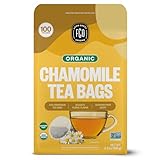
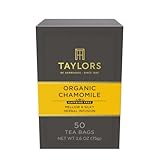
6. Include Chamomile Tea Bags
Chamomile tea isn’t just for relaxing evenings. Many people also use cooled chamomile tea compresses for gentle skin care.
It’s lightweight, inexpensive, and easy to store.
👉 Herbal Tip: Keep tea bags sealed to maintain freshness.
🛍 Shop here:


7. Carry Lavender Essential Oil
Lavender essential oil is popular for aromatherapy and creating a calming atmosphere.
Some people like to include it in their travel wellness kit for relaxation after a busy day.
👉 Herbal Tip: Always dilute essential oils before applying them to the skin.
🛍 Shop here:


8. Stock Herbal Lip Balm
Dry lips can happen anytime, especially during colder months or outdoor adventures.
A natural lip balm made with ingredients like beeswax and herbal oils is a handy addition.
👉 Herbal Tip: Keep one in your kit and another in your bag for everyday use.
🛍 Shop here:


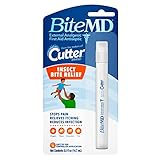
9. Add Herbal Insect Bite Relief
Herbal roll-ons and soothing balms are commonly used after insect bites to help cool and comfort the skin.
Choose products designed specifically for this purpose.
👉 Herbal Tip: Store roll-ons upright to prevent leaks.
🛍 Shop here:



10. Don’t Forget the Traditional First Aid Essentials
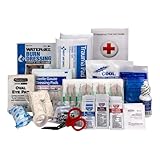
Even if you’re building an herbal kit, standard first aid supplies remain essential.
Include:
- Adhesive bandages
- Sterile gauze pads
- Medical tape
- Antiseptic wipes
- Tweezers
- Small scissors
- Disposable gloves
- Instant cold pack
- Digital thermometer
These items are important for basic first aid and should always be included alongside herbal products.
👉 Herbal Tip: Check your kit every few months and replace expired items.
🛍 Shop here:


Tips for Maintaining Your Herbal First Aid Kit
A well-organized kit is only useful if it’s properly maintained. Every few months:
- Check expiration dates on herbal products and first aid supplies.
- Replace any items you’ve used.
- Store your kit in a cool, dry place away from direct sunlight.
- Keep medications and herbal products in their original labeled containers whenever possible.
- Review instructions before using any unfamiliar product.
👉 Herbal Tip: Keep an emergency contact list and important medical information inside your kit.
🛍 Shop here:
Waterproof Labels and Organizer Stickers


Final Thoughts
Building your own herbal first aid kit is a great way to complement a traditional first aid kit with natural wellness products that you enjoy using for everyday skin care and minor discomforts. By combining herbal favorites like calendula salve, aloe vera gel, chamomile tea, and lavender essential oil with essential first aid supplies, you’ll be better prepared for life’s little bumps and scrapes.
Remember, herbal products are not a substitute for emergency medical treatment or professional healthcare. For serious injuries, severe burns, allergic reactions, infections, or any medical emergency, seek immediate medical attention. A thoughtfully stocked herbal first aid kit is best viewed as a supportive addition to—not a replacement for—standard first aid and medical care.
Save this post to your Pinterest board so you can come back to this herbal first aid kit checklist anytime!
Discover more from Serenity Talks
Subscribe to get the latest posts sent to your email.


