

This Post Contains Affiliate Links. Please Read Our Disclosure for Full Information.
Hair oiling has been a trusted beauty ritual for centuries, and for good reason. When done correctly, it can help nourish the scalp, reduce dryness, improve shine, minimize breakage, and leave your hair looking healthier overall. But here’s the thing: simply pouring oil onto your hair isn’t enough. The way you apply it, how much you use, and how long you leave it on can make a huge difference in the results you see.
Whether you have straight, wavy, curly, coily, thick, fine, or color-treated hair, learning the proper hair oiling technique can help you get the most benefits from your favorite oils. If you’ve been wondering why your hair still feels dry or greasy after oiling, these tips will help you transform your routine and give your strands the nourishment they deserve.
1. Choose the Right Oil for Your Hair Type
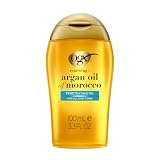
Not all hair oils work the same way. Coconut oil is great for reducing protein loss, argan oil adds shine, jojoba oil mimics natural scalp oils, and castor oil is popular for scalp massages.
Choosing the right oil helps target your specific hair concerns more effectively.
👉 Hair Tip: Fine hair usually benefits from lightweight oils, while thick or curly hair can handle richer oils.
🛍 Shop here:

2. Start with Detangled Hair
Applying oil to tangled hair can cause unnecessary pulling and breakage during massage.
Gently brush or comb your hair before oiling to ensure even distribution.
👉 Hair Tip: Use a wide-tooth comb to minimize damage.
🛍 Shop here:
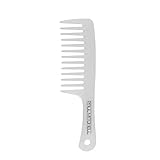
3. Warm the Oil Slightly
Warm oil penetrates more easily and feels incredibly relaxing on the scalp.
A little warmth can enhance the overall oiling experience and help the oil spread more evenly.
👉 Hair Tip: The oil should be warm, not hot.
🛍 Shop here:
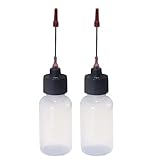
4. Section Your Hair First
Dividing your hair into sections helps ensure every part of your scalp gets proper attention.
This technique is especially useful for thick, curly, or long hair.
👉 Hair Tip: Create 4–6 sections before starting.
🛍 Shop here:

5. Focus on the Scalp First
Your scalp is where healthy hair begins. Applying oil directly to the scalp helps nourish the roots and moisturize dry skin.
Many people make the mistake of only coating the hair strands.
👉 Hair Tip: Apply oil along your part lines for better coverage.
🛍 Shop here:
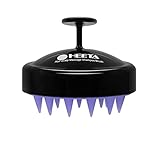
6. Massage Gently with Fingertips
A gentle scalp massage helps distribute oil while stimulating circulation.
It also feels amazing and can help relieve stress after a long day.
👉 Hair Tip: Use circular motions rather than scratching.
🛍 Shop here:
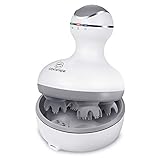
7. Don’t Overload Your Scalp
More oil doesn’t mean more nourishment. Excess oil can be difficult to wash out and may leave your scalp feeling greasy.
A small amount is often enough.
👉 Hair Tip: Start with less and add more only if needed.
🛍 Shop here:

8. Work Oil Through the Lengths
After treating your scalp, spread the remaining oil through your mid-lengths and ends.
This helps reduce dryness and improve softness.
👉 Hair Tip: Focus extra attention on damaged ends.
🛍 Shop here:
9. Use a Wide-Tooth Comb After Oiling
Combing helps distribute oil evenly from roots to ends.
It also prevents certain sections from becoming overloaded with product.
👉 Hair Tip: Comb gently to avoid breakage.
🛍 Shop here:
10. Leave the Oil On for the Right Amount of Time
Leaving oil on for a few hours is usually enough for most hair types.
You don’t always need to leave it overnight to get benefits.
👉 Hair Tip: Two to four hours works well for many people.
🛍 Shop here:

11. Cover Your Hair While Oiling
A shower cap or silk wrap helps prevent oil from transferring onto furniture and clothing.
It can also help trap warmth for better absorption.
👉 Hair Tip: Use a silk wrap to reduce friction.
🛍 Shop here:

12. Shampoo Thoroughly but Gently
The goal is to remove excess oil without stripping your hair completely.
A gentle shampoo cleanses while preserving moisture.
👉 Hair Tip: You may need two washes if you’ve used a heavier oil.
🛍 Shop here:

13. Follow with Conditioner
Conditioner helps lock in moisture and smooth the hair cuticle after shampooing.
This leaves hair softer and easier to manage.
👉 Hair Tip: Focus conditioner on the mid-lengths and ends.
🛍 Shop here:

14. Avoid Daily Heavy Oiling
Too much oiling can weigh hair down and lead to buildup over time.
Consistency matters more than frequency.
👉 Hair Tip: One or two oiling sessions per week are often enough.
🛍 Shop here:

15. Stay Consistent for Best Results
Hair oiling is not a one-time treatment. The real benefits come from making it a regular part of your hair care routine.
Patience and consistency are key to healthier-looking hair.
👉 Hair Tip: Schedule a weekly oiling session and stick with it.
🛍 Shop here:

Conclusion
Hair oiling can be one of the most effective ways to nourish your hair, but technique matters just as much as the oil you choose. By selecting the right oil, applying it properly, massaging your scalp gently, and washing it out correctly, you can maximize the benefits and avoid common mistakes that leave hair greasy or weighed down.
Remember, healthy hair is built through consistent care rather than quick fixes. Make hair oiling a relaxing weekly ritual, and over time you’ll likely notice softer strands, improved shine, less dryness, and a healthier-looking scalp. Small changes in your routine can lead to big improvements in how your hair looks and feels.
Save this post to your Pinterest board so you can come back to these tips anytime!
Discover more from Serenity Talks
Subscribe to get the latest posts sent to your email.


