

This Post Contains Affiliate Links. Please Read Our Disclosure for Full Information.
Walk down any hair care aisle or scroll through beauty TikTok for five minutes, and you’ll probably see the same phrase over and over again: “Sulfate-Free.”
For years, sulfate-free shampoos have been marketed as the healthier, gentler, and more luxurious option for your hair. Many people have switched to sulfate-free formulas believing they’re essential for healthier hair, stronger strands, and a happier scalp.
But here’s the question nobody seems to ask:
Do you actually need a sulfate-free shampoo?
The answer isn’t as simple as yes or no.
Like many beauty trends, sulfate-free shampoos aren’t automatically better for everyone. Depending on your hair type, scalp condition, styling habits, and personal preferences, they could either be a game-changer or a complete waste of money.
Let’s break down what sulfates actually are, who benefits from avoiding them, and whether you really need to make the switch.
1. What Are Sulfates Anyway?
Sulfates are cleansing ingredients commonly found in shampoos.
Their main job is simple: remove dirt, oil, sweat, product buildup, and environmental residue from your hair and scalp.
When you see ingredients like Sodium Lauryl Sulfate (SLS) or Sodium Laureth Sulfate (SLES) on a shampoo bottle, those are sulfates.
They’re also responsible for creating the rich, foamy lather many people associate with feeling “clean.”
Without sulfates, shampoos often produce less foam, which sometimes makes people think they’re not working—even though they still clean effectively.
👉 Style Tip: Don’t judge a shampoo by the amount of foam it produces. Less lather doesn’t automatically mean less cleansing.
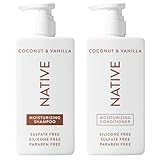
🛍 Shop here: Sulfate Free Shampoo




2. Why Sulfates Get a Bad Reputation
Sulfates aren’t evil—but they can be quite effective cleansers.
Because they’re powerful at removing oil and buildup, they can sometimes strip away too much moisture, particularly for people with dry, damaged, curly, or chemically treated hair.
This can leave hair feeling rough, dry, frizzy, or more difficult to manage.
That’s why sulfate-free formulas became so popular. They generally cleanse more gently and help preserve natural moisture.
However, it’s important to remember that not everyone experiences dryness from sulfates.
👉 Style Tip: Pay attention to how your hair feels after washing rather than following trends blindly.
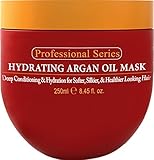
🛍 Shop here: Hydrating Hair Mask



3. Sulfate-Free Shampoos Can Be Great for Color-Treated Hair
If you spend good money coloring your hair, sulfate-free shampoo may be worth considering.
Traditional sulfates can sometimes cause hair color to fade faster because they’re more aggressive cleansers.
Sulfate-free formulas are often gentler on color-treated strands, helping preserve vibrancy and shine for longer.
Many professional colorists recommend sulfate-free products specifically for this reason.
👉 Style Tip: Pair sulfate-free shampoo with a color-safe conditioner for maximum protection.
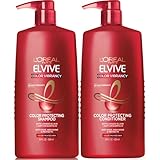
🛍 Shop here: Color Safe Shampoo



4. Curly Hair Often Benefits the Most
Curly hair naturally tends to be drier than straight hair.
The shape of curls makes it harder for natural scalp oils to travel down the hair shaft, meaning moisture doesn’t distribute as easily.
Because of this, many people with curly, coily, or textured hair find sulfate-free shampoos help maintain softness and reduce frizz.
This is one reason sulfate-free products are so popular within the curly hair community.
👉 Style Tip: Look for sulfate-free shampoos specifically designed for curls and hydration.
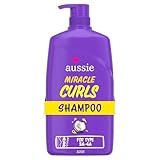
🛍 Shop here: Curly Hair Shampoo

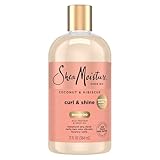

5. Oily Hair May Not Always Love Sulfate-Free Products
Here’s where things get interesting.
If you have very oily hair or a naturally oily scalp, sulfate-free shampoos may not always give you the clean feeling you’re looking for.
Some people find their hair becomes greasy faster because gentler cleansers don’t remove as much oil and buildup.
This doesn’t mean sulfate-free shampoos are bad—it simply means they aren’t ideal for every scalp type.
Hair care is highly individual.
👉 Style Tip: If your scalp gets oily quickly, try alternating between sulfate-free and clarifying shampoos.
🛍 Shop here: Clarifying Shampoo


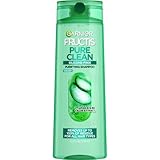

6. Product Buildup Can Become an Issue
Many sulfate-free shampoos are excellent at preserving moisture but less effective at removing heavy product buildup.
If you regularly use dry shampoo, hairspray, styling creams, oils, or leave-in treatments, residue can accumulate over time.
This can leave hair feeling dull, heavy, or flat.
That’s why many hair experts recommend occasional clarifying washes regardless of whether you use sulfates.
👉 Style Tip: Use a clarifying shampoo once or twice a month if you use lots of styling products.
🛍 Shop here: Scalp Scrub


7. Sensitive Scalps May Prefer Sulfate-Free Formulas
Some people find sulfates irritating, especially if they have sensitive skin conditions or a reactive scalp.
In these cases, sulfate-free products may feel more comfortable and less drying.
However, not every scalp issue is caused by sulfates. Sometimes fragrance, preservatives, or other ingredients are the real problem.
It’s important to identify what actually triggers irritation.
👉 Style Tip: Look for fragrance-free options if you have a sensitive scalp.
🛍 Shop here: Sensitive Scalp Shampoo

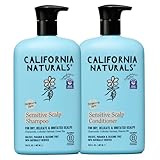

8. Sulfate-Free Doesn’t Automatically Mean Better
One of the biggest misconceptions in hair care is that sulfate-free automatically equals healthier.
In reality, a shampoo’s overall formula matters much more than one single ingredient category.
Some sulfate-free shampoos are excellent. Others aren’t.
Likewise, some sulfate-containing shampoos work beautifully for certain hair types.
The best shampoo is the one that works for your individual hair needs.
👉 Style Tip: Focus on results, not marketing buzzwords.
🛍 Shop here: Hair Care Journal


9. Your Hair Type Matters More Than Trends
Beauty influencers often promote products based on their own experiences.
But someone with thick, curly, color-treated hair may have completely different needs than someone with fine, straight, oily hair.
What works for one person may not work for another.
Understanding your hair type is often more important than following popular hair care trends.
👉 Style Tip: Choose products based on your scalp and hair concerns rather than viral recommendations.
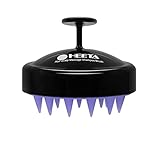
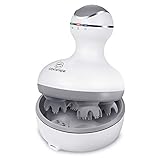
🛍 Shop here: Hair Scalp Massager


10. The Best Choice Depends on Your Hair Goals
Ultimately, whether you need sulfate-free shampoo depends on your individual goals.
If your hair is dry, curly, color-treated, damaged, or easily irritated, sulfate-free formulas may offer noticeable benefits.
If your scalp is oily, you use lots of styling products, or you love that squeaky-clean feeling, traditional shampoos may work perfectly well.
There is no universal answer.
Healthy hair comes from choosing products that support your specific needs.
👉 Style Tip: Don’t be afraid to experiment until you find the routine that works best for your hair.
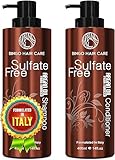
🛍 Shop here: Professional Hair Care Set


Final Thoughts
The truth about sulfate-free shampoos is that they’re neither miracle products nor marketing scams. They’re simply another tool in the hair care world.
For some people, sulfate-free formulas can improve moisture, reduce frizz, preserve color, and support a healthier scalp. For others, traditional shampoos may provide the deep cleansing their hair needs.
The most important thing is learning what works for your hair—not what works for everyone else on social media.
Save this post to your Hair Care Tips, Healthy Hair Journey, or Beauty Hacks Pinterest board so you can revisit it whenever you’re shopping for your next shampoo. ✨🧴💁♀️
Discover more from Serenity Talks
Subscribe to get the latest posts sent to your email.


