

This Post Contains Affiliate Links. Please Read Our Disclosure for Full Information.
Few things can ruin your day faster than a toothache.
Whether it’s a dull, throbbing ache or a sharp pain that makes it difficult to eat, drink, or even focus, dental discomfort can quickly become overwhelming. While a toothache often requires professional dental treatment to address the underlying cause, there are several home remedies that may provide temporary relief while you wait for an appointment.
Important: These remedies are not substitutes for professional dental care. If your toothache is severe, persistent, accompanied by swelling, fever, or difficulty swallowing, contact a dentist as soon as possible.
Let’s explore 10 homemade remedies that may help ease toothache discomfort naturally.
1. Warm Salt Water Rinse
One of the simplest and most commonly recommended home remedies for tooth discomfort is a salt water rinse.
Salt water can help rinse away food particles and debris that may be irritating the affected area. It may also help keep the mouth clean while providing temporary comfort.
Mix about half a teaspoon of salt into a glass of warm water and gently swish it around your mouth for 30 seconds before spitting it out.
Many people notice immediate relief from this simple remedy.
👉 Dental Tip: Repeat several times throughout the day if needed.
🛍 Shop here: Natural Sea Salt

2. Cold Compress
If your toothache is accompanied by swelling, a cold compress may help provide temporary relief.
Cold temperatures can help numb the area and reduce discomfort. Wrap an ice pack or bag of frozen vegetables in a towel and place it against the outside of your cheek near the painful tooth.
Apply for about 15–20 minutes at a time.
👉 Dental Tip: Never place ice directly against your skin.
🛍 Shop here: Reusable Ice Pack

3. Clove Oil
Clove oil has been used for generations as a traditional remedy for tooth discomfort.
It contains a compound called eugenol, which has natural numbing properties. Applying a small amount of diluted clove oil to the affected area may provide temporary relief.
Use carefully and avoid swallowing large amounts.
👉 Dental Tip: Always dilute essential oils before use.
🛍 Shop here: Pure Clove Oil

4. Peppermint Tea Bags
Peppermint contains natural compounds that can create a cooling sensation.
After brewing peppermint tea, allow the tea bag to cool before gently placing it against the affected area.
Some people find the soothing sensation comforting for mild dental discomfort.
👉 Dental Tip: Make sure the tea bag is warm or cool—not hot.
🛍 Shop here: Organic Peppermint Tea

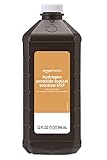
5. Hydrogen Peroxide Rinse
Some people use diluted hydrogen peroxide rinses to help clean the mouth.
Hydrogen peroxide should always be diluted appropriately and never swallowed.
Because improper use can cause irritation, consult your dentist if you’re unsure whether this remedy is suitable for you.
👉 Dental Tip: Use only as directed and avoid swallowing.
🛍 Shop here: Hydrogen Peroxide Solution
6. Garlic Paste
Garlic has been used in traditional remedies for centuries.
Some people crush a garlic clove into a paste and apply it carefully near the affected area. Garlic contains compounds that may contribute to its traditional use in home remedies.
However, it can be irritating to sensitive tissues, so use caution.
👉 Dental Tip: Remove immediately if irritation occurs.
🛍 Shop here: Garlic Press Tool

7. Elevate Your Head While Sleeping
Tooth pain often feels worse when lying down.
Keeping your head elevated with an extra pillow may help reduce pressure and make sleeping more comfortable.
This simple trick won’t fix the cause of the pain, but it may improve nighttime comfort.
👉 Dental Tip: Use supportive pillows to maintain elevation.
🛍 Shop here: Memory Foam Bed Pillow

8. Avoid Trigger Foods
Certain foods may aggravate tooth pain.
Very hot, very cold, sugary, or acidic foods can sometimes increase sensitivity and discomfort.
Until you can see a dentist, try choosing softer, milder foods that are less likely to trigger pain.
👉 Dental Tip: Chew on the opposite side of your mouth when possible.
🛍 Shop here: Insulated Water Bottle

9. Gentle Oral Hygiene
It may seem counterintuitive, but keeping the area clean is important.
Continue brushing and flossing gently to remove food particles that may worsen irritation.
Be careful around sensitive areas and avoid aggressive brushing.
👉 Dental Tip: Use a soft-bristled toothbrush.
🛍 Shop here: Soft Bristle Toothbrush Set

10. Stay Hydrated
Dry mouth can sometimes worsen oral discomfort.
Drinking enough water helps maintain saliva production, which plays an important role in oral health.
Water can also help rinse away food particles and keep your mouth feeling fresher.
👉 Dental Tip: Sip water regularly throughout the day.
🛍 Shop here: Motivational Water Bottle
When Should You Call a Dentist?
Home remedies may provide temporary comfort, but you should seek professional dental care if:
- Pain lasts longer than 1–2 days
- You develop facial swelling
- You have a fever
- You experience difficulty swallowing
- The pain becomes severe
- You notice pus or signs of infection
Prompt treatment can help prevent complications and address the underlying cause.
Final Thoughts
A toothache can be incredibly frustrating, but simple remedies such as salt water rinses, cold compresses, clove oil, peppermint tea bags, and gentle oral care may provide temporary relief while you wait for professional treatment.
Remember, these remedies help manage discomfort—they don’t treat the root cause of dental problems. If symptoms persist, seeing a dentist is always the best course of action.
Save this post to your Natural Remedies, Dental Health Tips, or Healthy Living Pinterest board so you’ll have these toothache relief ideas handy whenever dental discomfort strikes unexpectedly.
Discover more from Serenity Talks
Subscribe to get the latest posts sent to your email.


