

This Post Contains Affiliate Links. Please Read Our Disclosure for Full Information.
Stress is a normal part of life, but when stress becomes chronic, your body may start producing higher levels of cortisol—the hormone often called the “stress hormone.”
Cortisol plays an important role in helping your body respond to challenges. However, when cortisol levels remain elevated for long periods, it can affect everything from your energy levels and sleep quality to your mood and overall well-being.
The tricky part? Many signs of high cortisol can easily be mistaken for everyday stress, poor sleep, or a busy lifestyle.
Let’s explore 10 telltale signs that may suggest your cortisol levels are higher than they should be.
Important: These symptoms can have many causes and don’t necessarily mean your cortisol is elevated. If you’re concerned about your health, consult a healthcare professional for proper evaluation.
1. You Feel Tired But Wired
One of the most common signs of chronic stress is feeling exhausted during the day yet unable to fully relax at night.
You may find yourself dragging through the afternoon, only to suddenly feel alert when it’s time for bed.
This frustrating cycle can make it difficult to get the restorative sleep your body needs.
Over time, poor sleep can create an ongoing cycle of stress and fatigue.
👉 Cortisol Tip: Create a consistent bedtime routine to support healthy sleep habits.
🛍 Shop here: Silk Sleep Mask




2. Stubborn Belly Fat
Many people notice weight gain around the midsection during periods of prolonged stress.
While weight gain can result from numerous factors, chronic stress may influence eating habits, sleep patterns, activity levels, and hormones.
This combination can make maintaining a healthy weight more challenging.
👉 Cortisol Tip: Focus on stress management alongside healthy nutrition and exercise.
🛍 Shop here: Fitness Tracker Watch


3. Frequent Sugar Cravings
Do you constantly crave sweets, especially during stressful periods?
Stress can influence appetite and food choices, often leading people to seek comfort foods high in sugar and refined carbohydrates.
These foods may provide temporary satisfaction but can contribute to energy crashes later.
👉 Cortisol Tip: Keep protein-rich snacks available throughout the day.
🛍 Shop here: Healthy Snack Storage Containers


4. Trouble Falling Asleep
High stress levels can make it difficult for the body to switch into relaxation mode.
You may find yourself lying awake thinking about tomorrow’s tasks, replaying conversations, or worrying about situations beyond your control.
Even when you’re physically tired, your mind may refuse to slow down.
👉 Cortisol Tip: Reduce screen exposure before bedtime.
🛍 Shop here: Blue Light Blocking Glasses




5. Constant Anxiety or Feeling On Edge
Cortisol is designed to help you respond to threats.
However, when stress becomes chronic, you may feel constantly tense, restless, or unable to relax.
Many people describe it as feeling like they’re always “on alert.”
This can affect both mental and physical well-being.
👉 Cortisol Tip: Incorporate daily relaxation practices such as breathing exercises.
🛍 Shop here: Mindfulness Journal




6. Frequent Headaches
Stress-related tension can sometimes contribute to headaches.
Many people notice headaches becoming more frequent during particularly stressful periods.
While headaches have numerous possible causes, chronic stress is a common contributor.
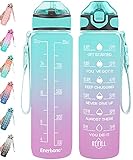
👉 Cortisol Tip: Stay hydrated and take regular movement breaks throughout the day.
🛍 Shop here: Motivational Water Bottle


7. Brain Fog and Poor Concentration
When stress levels remain high, focusing on simple tasks can suddenly feel difficult.
You may forget appointments, struggle to stay productive, or find it harder to concentrate than usual.
Many people experiencing chronic stress describe feeling mentally “foggy.”
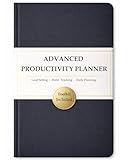
👉 Cortisol Tip: Prioritize sleep and take short breaks throughout your workday.
🛍 Shop here: Productivity Planner


8. Frequent Illnesses
Long-term stress can affect immune function.
If you seem to catch every cold going around or find yourself getting sick more often than usual, stress may be one contributing factor.
A healthy immune system relies on good sleep, nutrition, physical activity, and stress management.
👉 Cortisol Tip: Focus on recovery habits, not just productivity.
🛍 Shop here: Vitamin Organizer


9. Mood Swings and Irritability
Have you noticed yourself becoming more impatient, emotional, or easily frustrated?
Chronic stress can affect emotional regulation and make everyday challenges feel much bigger than they actually are.
Small inconveniences may suddenly feel overwhelming.
👉 Cortisol Tip: Schedule downtime into your calendar just like any other important appointment.
🛍 Shop here: Self Care Planner



10. Muscle Tension and Body Aches
Stress doesn’t just affect your mind—it affects your muscles too.
Many people hold tension in their neck, shoulders, jaw, back, and hips without even realizing it.
Over time, this can contribute to stiffness, soreness, and discomfort.
Learning to release physical tension can help support overall relaxation.
👉 Cortisol Tip: Stretch daily and pay attention to areas where you commonly hold tension.
🛍 Shop here: Foam Roller for Muscle Recovery




How to Support Healthy Stress Levels Naturally
If you suspect stress is affecting your health, consider these habits:
- Prioritize quality sleep
- Exercise regularly
- Practice mindfulness or meditation
- Spend time outdoors
- Limit excessive caffeine
- Maintain a balanced diet
- Stay hydrated
- Connect with supportive friends and family
- Take regular breaks during the day
Small lifestyle changes often add up to meaningful improvements over time.
Final Thoughts
Cortisol isn’t the enemy—it’s an essential hormone that helps your body function. The challenge arises when chronic stress keeps cortisol elevated for extended periods.
If you’ve noticed several of these signs, it may be worth evaluating your stress levels and discussing any concerns with a healthcare professional.
Remember, your body is constantly communicating with you. Learning to recognize the signs of chronic stress is one of the most important steps toward protecting your long-term health and well-being.
Save this post to your Hormone Health, Stress Management, or Wellness Tips Pinterest board so you can revisit these warning signs and healthy stress-management habits whenever you need them.
Discover more from Serenity Talks
Subscribe to get the latest posts sent to your email.


