

This Post Contains Affiliate Links. Please Read Our Disclosure for Full Information.
Ear infections can be incredibly uncomfortable. From throbbing pain and pressure to muffled hearing and difficulty sleeping, they can quickly turn a normal day into a miserable one.
While some ear infections require medical treatment—especially in young children—there are several natural, supportive strategies that may help ease discomfort and reduce the risk of future infections.
Important: Home remedies cannot cure a bacterial ear infection. If symptoms are severe, last more than a few days, involve fever, fluid drainage, hearing loss, or affect a young child, seek medical attention promptly.
Let’s look at 10 natural ways to support ear health and help prevent ear infections.
1. Apply a Warm Compress
A warm compress is one of the simplest ways to help soothe ear discomfort.
The gentle warmth may help relax surrounding muscles and provide temporary relief from pressure and pain.
Simply place a warm (not hot) washcloth against the affected ear for 10–15 minutes.
Many people find this comforting, especially before bedtime.
👉 Ear Health Tip: Always test the temperature first to avoid burns.
🛍 Shop here: Reusable Heat Pack

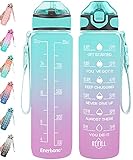
2. Stay Hydrated
Drinking enough water supports overall health and may help keep mucus thinner during colds and upper respiratory infections.
Since many ear infections develop following congestion or respiratory illnesses, staying hydrated is a simple habit that supports recovery.
Water also helps maintain healthy body functions while you’re healing.
👉 Ear Health Tip: Sip water consistently throughout the day.
🛍 Shop here: Motivational Water Bottle
3. Get Plenty of Rest
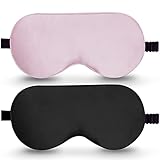
Your immune system works hardest when you’re resting.
Sleep gives your body time to recover and fight infections more effectively. During illness, prioritizing rest may help support the body’s natural healing processes.
Don’t underestimate the power of a good night’s sleep.
👉 Ear Health Tip: Aim for a consistent sleep schedule while recovering.
🛍 Shop here: Silk Sleep Mask
4. Use Saline Nasal Spray for Congestion
Congestion in the nose and sinuses can sometimes contribute to pressure around the ears.
Saline nasal sprays may help moisturize nasal passages and support natural mucus clearance without medication.
This can be especially helpful during colds or allergy season.
👉 Ear Health Tip: Follow product instructions carefully.
🛍 Shop here: Saline Nasal Spray

5. Practice Good Hand Hygiene
Many ear infections begin after colds, flu, or respiratory infections.
Regular handwashing helps reduce exposure to germs that can contribute to illness.
It’s one of the easiest and most effective prevention strategies available.
👉 Ear Health Tip: Wash hands frequently, especially during cold and flu season.
🛍 Shop here: Touchless Soap Dispenser

6. Manage Seasonal Allergies
For some people, allergies contribute to congestion and ear pressure.
Keeping allergies under control may help reduce irritation and support healthier ear function.
Talk with your healthcare provider about appropriate allergy management strategies if symptoms are frequent.
👉 Ear Health Tip: Monitor allergy triggers and avoid them when possible.
🛍 Shop here: HEPA Air Purifier

7. Keep Ears Dry After Swimming
Excess moisture in the ear canal can increase the risk of swimmer’s ear, a type of outer ear infection.
After swimming or showering, gently dry your outer ears with a clean towel.
Avoid inserting objects deep into the ear canal.
👉 Ear Health Tip: Tilt your head to allow water to drain naturally.
🛍 Shop here: Swimming Ear Plugs

8. Avoid Smoking and Secondhand Smoke
Exposure to cigarette smoke has been linked to an increased risk of ear infections, particularly in children.
Smoke can irritate the respiratory system and affect the structures that help regulate pressure in the ears.
Reducing exposure supports both ear health and overall wellness.
👉 Ear Health Tip: Create a smoke-free home environment whenever possible.
🛍 Shop here: Indoor Air Quality Monitor

9. Eat a Nutrient-Rich Diet
A balanced diet supports your immune system and overall health.
Focus on fruits, vegetables, lean proteins, whole grains, nuts, and healthy fats. These foods provide vitamins and minerals that support normal immune function.
Healthy habits often work best together.
👉 Ear Health Tip: Include colorful fruits and vegetables at every meal.
🛍 Shop here: Glass Meal Prep Containers

10. Never Put Cotton Swabs Inside Your Ears
One of the biggest mistakes people make is cleaning deep inside their ears with cotton swabs.
This can push wax farther into the canal, irritate delicate tissues, and sometimes increase the risk of infection or injury.
Your ears are surprisingly good at cleaning themselves.
👉 Ear Health Tip: Clean only the outer ear unless directed otherwise by a healthcare professional.
🛍 Shop here: Ear Wax Removal Kit

When Should You See a Doctor?
Seek medical care if you experience:
- Severe ear pain
- Fever
- Fluid or pus draining from the ear
- Hearing loss
- Symptoms lasting more than a few days
- Ear infections in infants or young children
- Recurrent ear infections
Prompt evaluation can help determine whether medical treatment is needed.
Final Thoughts
While home remedies can’t replace proper medical treatment when it’s necessary, simple habits such as staying hydrated, managing congestion, practicing good hygiene, protecting your ears from excess moisture, and supporting your immune system can help promote healthier ears and potentially reduce the risk of future infections.
The best approach is prevention whenever possible and early medical attention when symptoms become severe.
Save this post to your Natural Remedies, Family Health, or Wellness Tips Pinterest board so you’ll always have these ear-health strategies handy when you need them. 👂✨
Discover more from Serenity Talks
Subscribe to get the latest posts sent to your email.


