

This Post Contains Affiliate Links. Please Read Our Disclosure for Full Information.
Have you ever noticed how your breathing changes when you’re stressed? Maybe it becomes shallow, quick, or feels like you can’t quite catch your breath. The good news is that your breath can also work in reverse. By intentionally slowing and controlling your breathing, you can signal to your body that it’s safe to relax.
Breathing exercises are one of the fastest and most effective ways to reduce stress, ease anxiety, improve focus, and calm an overwhelmed mind. Best of all, they’re completely free, can be done almost anywhere, and often take just a few minutes.
Whether you’re dealing with work stress, racing thoughts, anxiety, or simply need a quick mental reset, these breathing exercises can help bring your mind and body back into balance.
1. Box Breathing
Box breathing is a simple technique often used by athletes, first responders, and high-performing professionals to stay calm under pressure.
The method involves inhaling, holding, exhaling, and holding again for equal counts. This structured pattern helps slow the nervous system and improve focus.
Many people find it especially useful before presentations, meetings, exams, or stressful situations.
👉 How to Do It:
- Inhale through your nose for 4 seconds.
- Hold your breath for 4 seconds.
- Exhale through your mouth for 4 seconds.
- Hold again for 4 seconds.
- Repeat for 1–5 minutes.
👉 Calm Mind Tip: Imagine tracing the four sides of a square as you breathe.
🛍 Shop here: Meditation+Journal




2. 4-7-8 Breathing
The 4-7-8 breathing method is widely known for promoting relaxation and helping people fall asleep faster.
The longer exhale encourages your body to shift into a calmer state, making it particularly helpful when you’re feeling anxious or overwhelmed.
Many people use this technique before bed or during stressful moments.
👉 How to Do It:
- Inhale through your nose for 4 seconds.
- Hold your breath for 7 seconds.
- Exhale slowly through your mouth for 8 seconds.
- Repeat 4–8 times.
👉 Calm Mind Tip: Focus on making your exhale smooth and controlled.
🛍 Shop here: Essential+Oil+Diffuser


3. Deep Belly Breathing
Many people breathe primarily into their chest when stressed. Belly breathing encourages fuller, deeper breaths that activate relaxation pathways within the body.
This exercise is simple enough for beginners and can be practiced almost anywhere.
It helps reduce physical tension and improve oxygen flow.
👉 How to Do It:
- Place one hand on your chest and one on your belly.
- Inhale deeply through your nose.
- Allow your belly to rise while your chest remains relatively still.
- Exhale slowly through your mouth.
- Continue for several minutes.
👉 Calm Mind Tip: Focus on expanding your abdomen rather than lifting your shoulders.
🛍 Shop here: Yoga+Mat



4. Equal Breathing
Equal breathing, sometimes called Sama Vritti, focuses on making your inhalations and exhalations the same length.
The balanced rhythm helps calm racing thoughts and encourages mental clarity.
It’s an excellent technique for beginners because it’s easy to learn and remember.
👉 How to Do It:
- Inhale through your nose for 4 counts.
- Exhale through your nose for 4 counts.
- Gradually increase to 5 or 6 counts if comfortable.
- Continue for 3–5 minutes.
👉 Calm Mind Tip: Count silently to maintain a steady rhythm.
🛍 Shop here: Meditation+Cushion



5. Alternate Nostril Breathing
This traditional yoga breathing practice is often used to promote mental balance and focus.
Many people find it calming before meditation, work sessions, or stressful situations.
The exercise encourages mindfulness while creating a steady breathing rhythm.
👉 How to Do It:
- Close your right nostril with your thumb.
- Inhale through your left nostril.
- Close your left nostril with your finger.
- Exhale through your right nostril.
- Inhale through your right nostril.
- Switch sides and repeat.
👉 Calm Mind Tip: Move slowly and avoid forcing the breath.
🛍 Shop here: Meditation+Bench


6. Extended Exhale Breathing
One of the quickest ways to encourage relaxation is simply making your exhale longer than your inhale.
A longer exhale can help activate the body’s natural relaxation response and reduce feelings of tension.
This technique is useful when you’re stressed, frustrated, or mentally overwhelmed.
👉 How to Do It:
- Inhale for 4 counts.
- Exhale for 6–8 counts.
- Repeat for several minutes.
👉 Calm Mind Tip: Imagine releasing stress with every exhale.
🛍 Shop here: Relaxation+Coloring+Book


7. Resonance Breathing
Resonance breathing involves breathing at a slower rate that many researchers associate with relaxation and stress reduction.
The goal is to create a smooth, steady breathing pattern.
Many people find this technique especially calming during periods of anxiety.
👉 How to Do It:
- Inhale gently for 5 seconds.
- Exhale gently for 5 seconds.
- Continue for 5–10 minutes.
👉 Calm Mind Tip: Focus on maintaining a comfortable, natural rhythm.
🛍 Shop here: Weighted+Blanket




8. Humming Bee Breath
This yoga breathing exercise combines breathing with a gentle humming sound.
The vibration can feel soothing and may help redirect attention away from stressful thoughts.
Many people find it relaxing before sleep or meditation.
👉 How to Do It:
- Inhale deeply through your nose.
- Exhale slowly while making a gentle humming sound.
- Repeat 5–10 times.
👉 Calm Mind Tip: Keep the hum soft and comfortable.
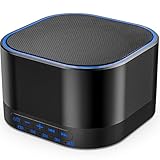
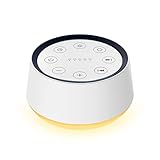
🛍 Shop here: Sleep+Sound+Machine


9. Three-Part Breathing
Three-part breathing encourages awareness of the entire breathing process, from the abdomen to the rib cage and upper chest.
This fuller breathing pattern can help release tension and improve mindfulness.
It’s often used in yoga and relaxation practices.
👉 How to Do It:
- Inhale into your belly.
- Continue inhaling into your rib cage.
- Finish inhaling into your upper chest.
- Exhale slowly in reverse order.
- Repeat for several minutes.
👉 Calm Mind Tip: Move through each stage smoothly without forcing the breath.
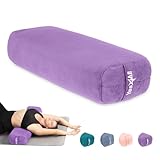
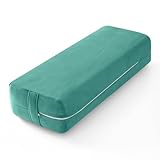
🛍 Shop here: Yoga+Bolster+Pillow


10. Simple Mindful Breathing
Sometimes the most effective breathing exercise is also the simplest.
Mindful breathing involves paying attention to your natural breath without trying to change it. This practice helps bring your focus back to the present moment instead of getting caught up in worries or racing thoughts.
It can be practiced anywhere, anytime.
👉 How to Do It:
- Sit comfortably.
- Notice your natural breathing.
- Focus on the sensation of air entering and leaving your body.
- Gently return your attention whenever your mind wanders.
👉 Calm Mind Tip: Don’t try to stop thoughts—simply notice them and return to your breath.
🛍 Shop here: Mindfulness+Journal


Final Thoughts
Your breath is one of the most powerful tools you have for calming your mind and reducing stress. Unlike many wellness practices that require special equipment, classes, or large amounts of time, breathing exercises can be done anywhere—in your car, at your desk, before bed, or during a stressful moment.
The next time you feel overwhelmed, anxious, or mentally exhausted, try one of these techniques. Even just a few minutes of intentional breathing can help slow racing thoughts, reduce tension, and bring a greater sense of calm and balance to your day.
Save this post for future reference and come back whenever you need a quick mental reset. Your breath is always available—and sometimes that’s exactly the tool you need.
Discover more from Serenity Talks
Subscribe to get the latest posts sent to your email.


