

This Post Contains Affiliate Links. Please Read Our Disclosure for Full Information.
Your gut does much more than digest food. It plays a major role in your immune system, energy levels, mood, skin health, and overall well-being. In fact, scientists often refer to the gut as the body’s “second brain” because of its powerful connection to so many aspects of health.
When your gut is happy, you may experience better digestion, improved energy, fewer cravings, healthier skin, and even better mental clarity. But when your gut is struggling, symptoms like bloating, gas, constipation, diarrhea, fatigue, and digestive discomfort can become common.
The good news? What you eat can make a huge difference. Certain foods help nourish beneficial gut bacteria, support digestion, reduce inflammation, and strengthen the gut lining naturally.
If you’re looking to improve your digestive health, these gut-friendly foods deserve a regular spot on your plate.
1. Yogurt
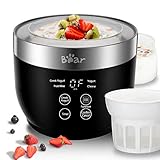
Yogurt is one of the most well-known foods for gut health because it contains probiotics—beneficial bacteria that support a healthy digestive system.
These friendly bacteria can help maintain a balanced gut microbiome, which plays an important role in digestion and overall health.
When choosing yogurt, look for varieties that contain “live and active cultures” and avoid options loaded with added sugars.
👉 Gut Health Tip: Greek yogurt provides additional protein while still offering probiotic benefits.
🛍 Shop here: Greek+Yogurt+Maker




2. Kefir
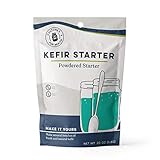
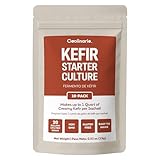
Kefir is a fermented dairy beverage often considered one of the richest sources of probiotics.
It contains a variety of beneficial microorganisms that may support digestive balance and overall gut health.
Many people who don’t tolerate regular milk find kefir easier to digest because of the fermentation process.
👉 Gut Health Tip: Start with small amounts if you’re new to fermented foods.
🛍 Shop here: Kefir+Starter+Culture


3. Sauerkraut
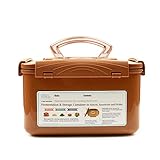
Sauerkraut is fermented cabbage that naturally contains probiotics and beneficial compounds produced during fermentation.
In addition to supporting gut bacteria, it provides fiber and nutrients that contribute to digestive health.
Look for refrigerated versions containing live cultures rather than shelf-stable varieties that may have been pasteurized.
👉 Gut Health Tip: Add a small serving to salads, sandwiches, or grain bowls.
🛍 Shop here: Fermentation+Kit




4. Kimchi
Kimchi is a traditional Korean fermented vegetable dish that contains probiotics, fiber, and various nutrients.
Its fermentation process supports beneficial bacteria while its vegetable ingredients contribute important vitamins and minerals.
The bold flavors make it a fun way to add more gut-friendly foods to your meals.
👉 Gut Health Tip: Enjoy kimchi alongside rice bowls, eggs, or grilled proteins.
🛍 Shop here: Kimchi+Making+Kit

5. Bananas
Bananas contain prebiotic fiber, which serves as food for beneficial gut bacteria.
Unlike probiotics, which add beneficial bacteria directly, prebiotics help existing good bacteria thrive and multiply.
Bananas are also gentle on the digestive system and can be a great choice when your stomach feels sensitive.
👉 Gut Health Tip: Slightly green bananas often contain even more resistant starch and prebiotic fiber.
🛍 Shop here: Fruit+Storage+Basket




6. Oats
Oats are rich in soluble fiber, particularly beta-glucan, which can support digestive health and feed beneficial gut bacteria.
Fiber helps promote regular bowel movements and supports overall gut function.
A warm bowl of oatmeal is one of the easiest ways to add gut-friendly fiber to your daily routine.
👉 Gut Health Tip: Add berries, nuts, and seeds to increase fiber even further.
🛍 Shop here: Overnight+Oats+Containers


7. Garlic
Garlic acts as a natural prebiotic, helping beneficial gut bacteria flourish.
It contains compounds that support digestive health and contribute to a healthy gut environment.
In addition to its gut-friendly benefits, garlic adds incredible flavor to countless meals.
👉 Gut Health Tip: Use fresh garlic regularly in soups, sauces, vegetables, and protein dishes.
🛍 Shop here: Garlic+Press


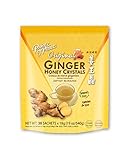
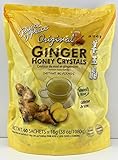
8. Ginger
Ginger has long been used to support digestive comfort. Many people find it helpful for reducing occasional nausea and promoting healthy digestion.
Its natural compounds may help support normal digestive processes and overall gut function.
Fresh ginger can easily be incorporated into tea, smoothies, stir-fries, and soups.
👉 Gut Health Tip: Ginger tea is a soothing option after meals.
🛍 Shop here: Ginger+Tea


9. Chia Seeds
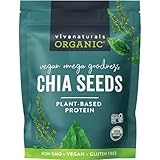
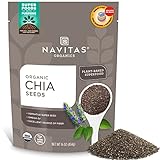
Chia seeds are packed with fiber, which supports digestive regularity and helps nourish beneficial gut bacteria.
When mixed with liquid, chia seeds form a gel-like consistency that many people find satisfying and easy to digest.
They’re incredibly versatile and can be added to yogurt, smoothies, oatmeal, and puddings.
👉 Gut Health Tip: Increase fiber gradually and drink plenty of water.
🛍 Shop here: Organic+Chia+Seeds


10. Bone Broth
Bone broth has become popular for digestive wellness because it contains amino acids and nutrients that may support gut lining health.
Many people enjoy it as a warm, comforting beverage or use it as a base for soups and stews.
While research is still evolving, bone broth remains a favorite among many people focused on digestive wellness.
👉 Gut Health Tip: Choose low-sodium options when possible.
🛍 Shop here: Bone+Broth+Powder


Final Thoughts
A healthy gut isn’t built overnight, but small dietary changes can have a big impact over time. Adding probiotic-rich foods like yogurt, kefir, sauerkraut, and kimchi, along with fiber-rich foods like oats, bananas, chia seeds, and garlic, can help create an environment where beneficial gut bacteria thrive.
Remember that consistency matters more than perfection. Focus on gradually incorporating more gut-friendly foods into your routine rather than trying to change everything at once.
Your digestive system—and the rest of your body—will thank you for it.
Save this post for future meal inspiration and start nourishing your gut one bite at a time!
Discover more from Serenity Talks
Subscribe to get the latest posts sent to your email.


