

This Post Contains Affiliate Links. Please Read Our Disclosure for Full Information.
Herbs do much more than make your meals taste amazing—they’re packed with natural compounds that can add flavor, color, and nutrients to your everyday diet. While no single herb is a miracle food, regularly including a variety of fresh and dried herbs in your meals is an easy way to support an overall healthy eating pattern.
From fragrant basil and refreshing mint to earthy turmeric and aromatic rosemary, these kitchen staples can elevate everything from soups and salads to smoothies and roasted vegetables. The best part? A little goes a long way, making herbs one of the simplest and most affordable ways to add more goodness to your plate.
Here are 15 powerful herbs worth keeping in your kitchen.
1. Turmeric
Known for its vibrant golden color, turmeric has been used in cooking for centuries. It pairs well with curries, soups, roasted vegetables, rice dishes, and even smoothies.
Many people enjoy adding turmeric to their diet as part of a balanced eating pattern because it’s rich in naturally occurring plant compounds.
👉 Healthy Tip: Pair turmeric with a pinch of black pepper to enhance the absorption of curcumin.
🛍 Shop here:


2. Basil
Fresh basil adds a sweet, aromatic flavor to salads, pasta, pizza, sandwiches, and homemade pesto. It’s one of the easiest herbs to grow at home and instantly brightens almost any meal.
👉 Healthy Tip: Add fresh basil at the end of cooking to preserve its flavor.
🛍 Shop here:


3. Ginger
Fresh ginger brings a warm, spicy kick to stir-fries, soups, teas, smoothies, and marinades. It’s a versatile ingredient that’s commonly used in cuisines around the world.
👉 Healthy Tip: Freeze fresh ginger to make grating quick and easy.
🛍 Shop here:




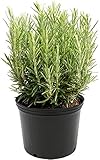
4. Rosemary
Rosemary has a bold, earthy flavor that pairs perfectly with roasted potatoes, chicken, vegetables, and homemade breads. Its woody aroma instantly makes meals feel more gourmet.
👉 Healthy Tip: Use whole sprigs while roasting and remove them before serving.
🛍 Shop here:


5. Parsley
Often used as a garnish, parsley deserves a much bigger role in the kitchen. It adds freshness to salads, soups, sauces, grain bowls, and roasted vegetables.
👉 Healthy Tip: Chop parsley just before serving for the brightest flavor.
🛍 Shop here:


6. Cilantro
Cilantro is a staple in Mexican, Indian, Thai, and many other cuisines. Its bright flavor complements tacos, curries, salsa, rice dishes, and fresh salads.
👉 Healthy Tip: Add cilantro after cooking for maximum freshness.
🛍 Shop here:


7. Mint
Mint brings a refreshing flavor to smoothies, fruit salads, yogurt bowls, iced drinks, and Mediterranean dishes. It can make even simple recipes feel extra fresh.
👉 Healthy Tip: Freeze mint leaves with water in ice cube trays for refreshing drinks.
🛍 Shop here:


8. Thyme
Thyme has a subtle earthy flavor that works wonderfully in soups, roasted vegetables, chicken, seafood, and stews. It’s a versatile herb that complements many savory dishes.
👉 Healthy Tip: Add fresh thyme during cooking so its flavor has time to develop.
🛍 Shop here:
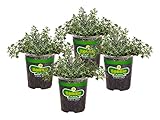


9. Oregano
Oregano is well known for its role in Mediterranean cooking. Sprinkle it over roasted vegetables, pasta, homemade pizza, grilled chicken, or tomato sauces for extra flavor.
👉 Healthy Tip: Crush dried oregano between your fingers before adding it to release its aroma.
🛍 Shop here:


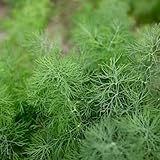
10. Dill
Dill has a light, fresh flavor that’s delicious with salmon, potatoes, cucumbers, yogurt dips, and salads. It’s especially popular in spring and summer recipes.
👉 Healthy Tip: Add dill after cooking to preserve its delicate flavor.
🛍 Shop here:


11. Sage
Sage is famous for its warm, savory flavor and is commonly used in roasted vegetables, poultry dishes, soups, and stuffing. A little goes a long way.
👉 Healthy Tip: Fry whole sage leaves in a small amount of olive oil until crisp for a delicious garnish.
🛍 Shop here:


12. Chives
Chives offer a mild onion flavor that’s perfect for baked potatoes, eggs, salads, soups, and creamy dips. They add color and freshness without overpowering other ingredients.
👉 Healthy Tip: Snip fresh chives with kitchen scissors instead of chopping them.
🛍 Shop here:

13. Cinnamon
Although technically a spice rather than an herb, cinnamon deserves a place on this list because of its versatility. Sprinkle it on oatmeal, yogurt, smoothies, fruit, coffee, or overnight oats for natural warmth and flavor.
👉 Healthy Tip: Pair cinnamon with apples or bananas for a naturally sweet snack.
🛍 Shop here:


14. Lemongrass
Lemongrass adds a fresh citrus aroma to soups, curries, marinades, teas, and stir-fries. It’s commonly used in Southeast Asian cuisine and pairs beautifully with chicken and seafood.
👉 Healthy Tip: Bruise the stalk before cooking to release more flavor.
🛍 Shop here:


15. Garlic
Garlic is one of the most widely used culinary ingredients in the world. It adds rich flavor to countless dishes, from roasted vegetables and pasta to soups, sauces, marinades, and stir-fries.
It’s an easy way to make healthy meals taste even better.
👉 Healthy Tip: Let chopped garlic sit for about 10 minutes before cooking to help maximize its naturally occurring compounds.
🛍 Shop here:


Adding herbs to your daily meals is one of the easiest ways to boost flavor while enjoying a wider variety of plant-based ingredients. Whether you’re sprinkling fresh basil over pasta, stirring ginger into tea, or seasoning roasted vegetables with rosemary and thyme, these simple additions can make healthy eating much more enjoyable.
Remember, no single herb can transform your health on its own. The biggest benefits come from eating a balanced diet filled with a variety of whole foods, fruits, vegetables, herbs, and spices as part of a healthy lifestyle.
Save this post to your Pinterest board so you can come back to these powerful herbs anytime!
Discover more from Serenity Talks
Subscribe to get the latest posts sent to your email.


