

This Post Contains Affiliate Links. Please Read Our Disclosure for Full Information.
If you’ve been feeling bloated, sluggish, or uncomfortable after meals, you’re probably wondering how to support your gut health naturally. While there’s no guaranteed way to “heal your gut” in exactly 30 days, making consistent lifestyle and nutrition changes over the course of a month can support a healthier digestive system and help many people feel better.
The key isn’t a trendy detox or expensive supplements—it’s building simple habits that nourish your gut microbiome, support digestion, and reduce everyday stress on your digestive system. These science-informed steps are easy to incorporate into your daily routine and can help you build a healthier foundation for long-term wellness.
How to Heal Your Gut Naturally in 30 Days
1. Eat More Fiber-Rich Foods
Fiber feeds the beneficial bacteria in your gut and supports healthy digestion. Fruits, vegetables, beans, lentils, oats, and whole grains are all excellent choices.
Increasing fiber gradually can help your digestive system adjust while promoting regular bowel movements and keeping you feeling fuller for longer.
👉 Gut Health Tip: Increase your fiber intake slowly and drink plenty of water throughout the day.
🛍 Shop here:
Organic Rolled Oats


2. Add Fermented Foods to Your Meals
Fermented foods naturally contain beneficial microorganisms that may support a healthy gut microbiome. Popular options include yogurt with live cultures, kefir, kimchi, sauerkraut, and miso.
Adding small servings regularly is often easier than making drastic dietary changes.
👉 Gut Health Tip: Start with one serving a day if fermented foods are new to you.
🛍 Shop here:
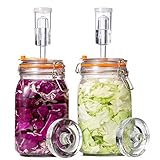
Glass Fermentation Jars


3. Stay Hydrated Every Day
Water supports digestion by helping move food through your digestive tract and working alongside fiber to promote regular bowel movements.
Proper hydration also supports your overall health and can reduce constipation for many people.
👉 Gut Health Tip: Carry a reusable water bottle so it’s easier to sip throughout the day.
🛍 Shop here:
Motivational Water Bottle



4. Eat More Prebiotic Foods
Prebiotics are types of fiber that nourish the beneficial bacteria already living in your gut. Foods like onions, garlic, bananas, asparagus, oats, and leeks are excellent natural sources.
Including a variety of these foods may help support a diverse gut microbiome.
👉 Gut Health Tip: Try adding sliced bananas to your morning oatmeal.
🛍 Shop here:
Organic Chia Seeds


5. Limit Highly Processed Foods
Highly processed snacks, sugary drinks, and excessive amounts of added sugar can crowd out more nutritious choices in your diet.
Replacing them with whole foods more often can help improve your overall nutrition while supporting digestive health.
👉 Gut Health Tip: Swap one processed snack each day for fruit, yogurt, or a handful of nuts.
🛍 Shop here:
Glass Meal Prep Containers



6. Include Healthy Fats
Healthy fats from foods like avocados, olive oil, nuts, seeds, and fatty fish support overall health and can be part of a balanced eating pattern.
They also make meals more satisfying and flavorful.
👉 Gut Health Tip: Drizzle extra-virgin olive oil over salads or roasted vegetables.
🛍 Shop here:
Extra Virgin Olive Oil



7. Slow Down While Eating
Eating too quickly may lead to overeating and digestive discomfort. Taking your time allows you to chew food thoroughly and pay attention to your body’s hunger and fullness signals.
Many people notice improved digestion simply by eating more mindfully.
👉 Gut Health Tip: Put your fork down between bites and chew each mouthful well.
🛍 Shop here:
Mindful Eating Journal




8. Move Your Body Daily
Regular physical activity supports healthy digestion and benefits your overall well-being. Even a brisk walk after meals can help you stay active and support normal digestive function.
You don’t need intense workouts to see benefits.
👉 Gut Health Tip: Aim for at least 20–30 minutes of movement most days of the week.
🛍 Shop here:
Fitness Tracker Watch


9. Prioritize Quality Sleep
Your gut and your brain are closely connected. Poor sleep can affect many aspects of health, including digestion and appetite regulation.
Creating a consistent bedtime routine supports your entire body, including your digestive system.
👉 Gut Health Tip: Aim for 7–9 hours of sleep each night.
🛍 Shop here:
Silk Sleep Mask



10. Manage Daily Stress
Long-term stress can influence digestive symptoms in many people through the gut-brain connection. Building stress-management habits can be just as important as improving your diet.
Even a few minutes of relaxation each day can make a difference.
👉 Gut Health Tip: Try deep breathing, meditation, gentle yoga, or journaling for 10 minutes daily.
🛍 Shop here:
Guided Wellness Journal




Improving your gut health is about consistency, not perfection. Over the course of 30 days, simple habits like eating more fiber, including fermented and prebiotic foods, staying hydrated, moving your body, sleeping well, and managing stress can support a healthier digestive system. While everyone’s body responds differently, these small daily changes can build a strong foundation for long-term gut health. If you have persistent digestive symptoms, severe pain, unexplained weight loss, blood in your stool, or ongoing digestive concerns, it’s important to speak with a healthcare professional for proper evaluation.
Save this post to your Pinterest board so you can come back to these ideas anytime!
Discover more from Serenity Talks
Subscribe to get the latest posts sent to your email.


