

This Post Contains Affiliate Links. Please Read Our Disclosure for Full Information.
Have you ever felt exhausted even after a full night’s sleep, struggled with stubborn weight gain, dealt with constant cravings, or wondered why your mood seems all over the place? Your hormones could be trying to tell you something.
Hormones act as your body’s chemical messengers, influencing everything from metabolism and energy levels to mood, sleep, skin health, and reproductive health. When they’re balanced, you generally feel your best. But when they’re out of sync, your body often sends warning signs that are easy to overlook.
The good news? While serious hormonal issues should always be discussed with a healthcare professional, diet and lifestyle changes can often support healthy hormone function. Certain foods help stabilize blood sugar, reduce inflammation, support gut health, and provide the nutrients your body needs to produce and regulate hormones effectively.
Let’s look at some common signs of hormone imbalance and the nutrition habits that may help support better balance.
1. Constant Fatigue Even After Sleeping
Feeling tired all the time despite getting enough sleep can sometimes be linked to hormonal imbalances involving cortisol, thyroid hormones, or insulin.
When hormones aren’t functioning optimally, your body may struggle to produce and use energy efficiently. This can leave you feeling sluggish throughout the day, regardless of how much rest you get.
Instead of relying on caffeine, focus on building meals that contain protein, healthy fats, and complex carbohydrates to support steady energy levels.
👉 Style Tip: Start your morning with a protein-rich breakfast instead of sugary cereals.
🛍 Shop here: Protein Powder for Women

2. Unexplained Weight Gain
Weight gain that occurs despite no major changes in eating habits or activity levels may sometimes be associated with hormonal shifts involving insulin, cortisol, estrogen, or thyroid function.
While many factors influence body weight, supporting blood sugar balance through nutrition can be helpful.
Focus on fiber-rich vegetables, lean proteins, healthy fats, and minimizing highly processed foods.
👉 Style Tip: Include protein at every meal to help increase satiety.
🛍 Shop here: Healthy Portion Control Containers

3. Intense Sugar Cravings
Frequent sugar cravings can sometimes be connected to blood sugar fluctuations and insulin regulation.
When blood sugar spikes and crashes repeatedly, your body often responds by demanding more quick-energy foods.
Balancing meals with protein, fiber, and healthy fats may help reduce these energy swings.
👉 Style Tip: Pair fruit with nuts or Greek yogurt instead of eating it alone.
🛍 Shop here: Healthy Snack Containers

4. Mood Swings
Hormones play a major role in regulating mood. Fluctuations can contribute to irritability, anxiety, sadness, or emotional ups and downs.
Supporting hormone health often starts with supporting overall nutrition. Omega-3 fats, magnesium-rich foods, and stable blood sugar patterns may help support emotional well-being.
👉 Style Tip: Include fatty fish at least twice weekly when possible.
🛍 Shop here: Omega 3 Fish Oil Supplement

5. Difficulty Sleeping
Poor sleep and hormone imbalance often influence each other. Stress hormones, melatonin, and other regulatory hormones all play roles in sleep quality.
Certain nutrients, including magnesium and complex carbohydrates in moderation, may support healthy sleep habits.
👉 Style Tip: Avoid large sugary snacks close to bedtime.
🛍 Shop here: Magnesium Supplement

6. Persistent Belly Fat
Excess abdominal fat can sometimes be associated with stress-related cortisol imbalances and insulin resistance.
Managing stress, prioritizing sleep, and focusing on whole-food nutrition may help support overall metabolic health.
👉 Style Tip: Aim for vegetables to fill at least half your plate.
🛍 Shop here: Meal Prep Containers

7. Frequent Breakouts
Hormonal fluctuations can contribute to acne and skin changes in some individuals.
A diet rich in colorful fruits, vegetables, omega-3 fats, and minimally processed foods may help support overall skin health.
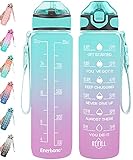
👉 Style Tip: Drink water consistently throughout the day.
🛍 Shop here: Motivational Water Bottle
8. Irregular Menstrual Cycles
Changes in menstrual cycle patterns can sometimes signal hormonal changes involving estrogen, progesterone, thyroid hormones, or other factors.
Eating enough calories, prioritizing nutrient-dense foods, and maintaining a balanced diet can support overall reproductive health.
👉 Style Tip: Include iron-rich foods regularly if recommended by your healthcare provider.
🛍 Shop here: Women’s Multivitamin

9. Low Energy After Meals
Feeling sleepy or drained immediately after eating may sometimes reflect blood sugar fluctuations.
Meals centered around protein, vegetables, fiber, and healthy fats may help support steadier energy.
👉 Style Tip: Limit highly refined carbohydrates when possible.
🛍 Shop here: Blood Sugar Friendly Cookbook

10. Low Libido
Hormones significantly influence sexual health and desire. Factors including stress, sleep quality, nutrition, and hormone fluctuations may all contribute.
Supporting overall health through balanced nutrition, exercise, and stress management may be beneficial.
👉 Style Tip: Don’t underestimate the impact of sleep on hormone health.
🛍 Shop here: Women’s Wellness Journal

11. Brain Fog
If you’re struggling to focus, forgetting things more often, or feeling mentally sluggish, hormone fluctuations may sometimes play a role.
Stable blood sugar levels and adequate nutrient intake support cognitive function.
👉 Style Tip: Include protein and fiber at breakfast for better focus.
🛍 Shop here: Healthy Breakfast Recipe Book

12. Increased Hunger
Constant hunger may sometimes be associated with blood sugar instability or inadequate protein and fiber intake.
Meals built around whole foods often provide longer-lasting satiety.
👉 Style Tip: Include a protein source in every snack.
🛍 Shop here: Protein Snack Variety Pack

13. Hair Thinning
Hair changes can sometimes occur alongside hormonal fluctuations, nutritional deficiencies, stress, or other health conditions.
A nutrient-rich diet that includes adequate protein, iron, zinc, and healthy fats supports healthy hair growth.
👉 Style Tip: Prioritize protein intake throughout the day.
🛍 Shop here: Collagen Peptides Powder

14. Digestive Issues
Hormones and gut health are closely connected. Bloating, constipation, or digestive discomfort may sometimes coincide with hormonal changes.
Fiber-rich foods, fermented foods, and adequate hydration support gut health.
👉 Style Tip: Gradually increase fiber intake rather than making sudden changes.
🛍 Shop here: Probiotic Supplement

15. Feeling Stressed All the Time
Chronic stress can affect cortisol and influence many other hormone systems throughout the body.
Nutrition alone can’t eliminate stress, but eating balanced meals regularly can help support your body’s response to it.
Focus on whole foods, regular meal timing, hydration, movement, and sleep as part of a holistic approach.
👉 Style Tip: Build balanced meals around protein, vegetables, healthy fats, and fiber-rich carbohydrates.
🛍 Shop here: Stress Relief Journal

Hormones affect nearly every aspect of how you feel, from your energy and mood to your sleep, metabolism, and skin. While occasional symptoms are normal, persistent or severe symptoms deserve attention from a qualified healthcare professional who can help identify underlying causes.
In many cases, small nutrition upgrades—more protein, fiber, healthy fats, hydration, and fewer ultra-processed foods—can help support overall hormone health and improve how you feel day to day.
Save this post to your Hormone Balance Diet Pinterest board so you can refer back to these signs and supportive diet strategies whenever you need them.
Discover more from Serenity Talks
Subscribe to get the latest posts sent to your email.


