

This Post Contains Affiliate Links. Please Read Our Disclosure for Full Information.
Hormones are basically your body’s tiny messengers, and when they’re balanced, everything feels smoother — energy, mood, cravings, sleep, skin, periods, digestion, and even weight management. But when they’re out of balance? Suddenly you’re tired, bloated, moody, craving sugar, breaking out, and wondering why your body is acting brand new.
The tricky part is that some everyday foods can quietly mess with blood sugar, inflammation, gut health, and stress hormones, which can make hormone balance feel harder. This does not mean you need to fear food or follow a super strict diet. It simply means learning which foods may trigger hormone chaos for some people — and what nourishing swaps can support your body better.
So if you want more steady energy, fewer cravings, better skin days, and a calmer cycle, these hormone-disrupting foods and smart swaps are a great place to start.
1. Sugary Breakfast Cereals
Sugary cereals may look quick and harmless, but many are basically dessert wearing a breakfast costume. Starting your morning with a big sugar spike can lead to an energy crash later, making cravings, mood swings, and hunger feel more intense.
For hormone balance, steady blood sugar is a big deal. When your blood sugar rises and drops quickly, your body may respond with more cravings and stress-like symptoms. That is why breakfast should ideally include protein, fiber, and healthy fats.
Instead of sugary cereal, go for Greek yogurt with berries, chia pudding, oatmeal with nuts, or eggs with avocado toast. These options feel satisfying and support steadier energy.
👉 Style Tip: Build a hormone-friendly breakfast with protein + fiber + healthy fat to stay fuller longer.
🛍 Shop here: Chia+Seeds

2. Flavored Coffee Drinks
That caramel frappe or sweet vanilla latte may taste like happiness, but it can sneak in a lot of sugar before your day even starts. For some people, this can contribute to energy crashes, jitters, and stronger mid-morning cravings.
Caffeine itself can also feel intense if you drink it on an empty stomach. It may make you feel anxious, shaky, or wired, especially during stressful seasons.
Instead, try a simple iced coffee with milk, a protein coffee, matcha latte with less sweetener, or cinnamon coffee with unsweetened almond milk. You still get the cozy drink moment without the sugar overload.
👉 Style Tip: Have coffee after breakfast instead of before food if caffeine makes you feel jittery.
🛍 Shop here: Matcha+Green+Tea+Powder

3. White Bread and Refined Carbs
White bread, pastries, crackers, and refined flour snacks can digest quickly and cause blood sugar to rise fast. When eaten alone, they may leave you hungry again pretty soon after.
This rollercoaster can make hormone-friendly eating harder because blood sugar swings can influence cravings, mood, and energy. You do not need to avoid carbs completely — your body needs them — but quality and pairing matter.
Instead, choose whole grain bread, sourdough, oats, quinoa, sweet potatoes, or brown rice. Pair carbs with protein and fat to make meals more balanced and satisfying.
👉 Style Tip: If you love toast, add eggs, avocado, nut butter, or cottage cheese to make it more hormone-supportive.
🛍 Shop here: Whole+Grain+Crackers

4. Diet Soda
Diet soda may be sugar-free, but it can still be a tricky daily habit for some people. The sweet taste may keep cravings for sweet foods alive, and some people notice bloating or digestive discomfort from carbonated diet drinks.
Hormone balance is not just about calories. Gut health, hydration, cravings, and stress levels all matter too. If diet soda replaces water all day, your body may not feel its best.
Instead, try sparkling water with lemon, herbal iced tea, fruit-infused water, or kombucha in moderation. These feel refreshing without making soda the main hydration source.
👉 Style Tip: Start by replacing one soda a day with a fun sparkling water flavor instead of quitting everything overnight.
🛍 Shop here: Fruit+Infuser+Water+Bottle

5. Processed Deli Meats
Deli meats like packaged ham, salami, bologna, and some turkey slices can be high in sodium, preservatives, and additives. Eating them occasionally is not the end of the world, but relying on them daily may not be ideal for a hormone-friendly lifestyle.
High-sodium processed foods can contribute to bloating and water retention, which many people already experience around their cycle. Processed meats also tend to be less nutrient-dense than fresh protein options.
Instead, choose grilled chicken, boiled eggs, tuna, salmon, chickpeas, lentils, tofu, or freshly cooked turkey. Protein is amazing for hormone balance, but fresher sources are usually the better move.
👉 Style Tip: Prep simple protein ahead of time so you are not dependent on packaged deli meats every day.
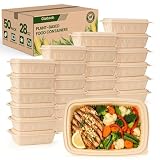
🛍 Shop here: Meal+Prep+Containers

6. Fried Fast Foods
French fries, fried chicken, onion rings, and other fried fast foods can be heavy on refined oils, salt, and low-fiber carbs. They may taste amazing in the moment, but they can leave you feeling sluggish, bloated, and unsatisfied later.
For hormone health, your body loves nutrients that support inflammation balance, gut health, and steady energy. Fried fast food often crowds out those supportive foods when it becomes a regular habit.
Instead, try oven-baked potato wedges, air-fried chicken, salmon bowls, roasted chickpeas, or homemade wraps with plenty of veggies. You still get comfort food vibes, but with more nourishment.
👉 Style Tip: Use an air fryer to recreate crispy favorites with less heaviness.
🛍 Shop here: Air+Fryer

7. Store-Bought Pastries
Muffins, donuts, packaged cakes, and sweet pastries can be high in sugar and refined flour while being low in protein and fiber. This combination can make blood sugar swings more likely.
When your breakfast or snack is mostly sugar and starch, you may feel hungry again quickly. That can lead to more snacking, stronger cravings, and lower energy.
Instead, try protein muffins, banana oat bites, Greek yogurt bowls, almond flour treats, or fruit with nut butter. Sweet foods can still fit — just make them more balanced.
👉 Style Tip: Pair any sweet treat with protein, like yogurt or nuts, to make it more satisfying.
🛍 Shop here: Almond+Flour

8. Low-Fat Flavored Yogurt
Low-fat flavored yogurt often sounds healthy, but many versions contain added sugar and may not keep you full for long. For hormone balance, you usually want snacks that satisfy, not snacks that leave you hunting for more food thirty minutes later.
Healthy fats help support fullness and make meals feel more balanced. Protein also matters, especially for blood sugar and cravings.
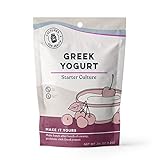
Instead, choose plain Greek yogurt and add berries, cinnamon, chia seeds, or a drizzle of honey. You get more control over sweetness and usually more protein too.
👉 Style Tip: Make a hormone-friendly yogurt bowl with Greek yogurt, berries, chia seeds, and walnuts.
🛍 Shop here: Greek+Yogurt+Starter
9. Candy and Sugary Snacks
Candy, gummies, chocolate bars, and sugary snacks are quick dopamine, but they can also trigger quick blood sugar spikes and crashes. That crash can make you feel tired, irritable, and snacky again.
This does not mean you can never enjoy candy. It just means candy works better as an occasional treat rather than your main daily snack.
Instead, try dates with peanut butter, dark chocolate with nuts, fruit with Greek yogurt, or homemade energy bites. These options still feel sweet but give your body more nutrients.
👉 Style Tip: Keep balanced snacks ready so candy does not become the default when cravings hit.
🛍 Shop here: Energy+Bites+Ingredients

10. Highly Processed Snack Chips
Snack chips are easy to eat mindlessly because they are salty, crunchy, and convenient. But they are usually low in protein and fiber, which means they may not keep you full for long.
For some people, salty processed snacks can also worsen bloating and water retention. If you are already dealing with PMS puffiness, this can feel extra annoying.
Instead, try roasted chickpeas, air-popped popcorn, nuts, seed crackers, veggie sticks with hummus, or homemade sweet potato chips.
👉 Style Tip: Build a crunchy snack plate with fiber, protein, and healthy fat instead of eating chips straight from the bag.
🛍 Shop here: Roasted+Chickpea+Snacks

11. Sugary Granola Bars
Granola bars can seem like the perfect healthy snack, but many are closer to candy bars with oats. Some contain added sugars, syrups, chocolate coatings, and very little protein.
That means they may not support stable energy the way you want them to. If you rely on them daily, you might find yourself hungry again quickly.
Instead, look for bars with simple ingredients, higher protein, fiber, nuts, and seeds. Or make your own oat bars with nut butter, chia seeds, oats, and dark chocolate.
👉 Style Tip: Check the label and choose bars with protein and fiber, not just sugar and refined carbs.
🛍 Shop here: Protein+Snack+Bars

12. Sweetened Fruit Juice
Fruit juice can sound natural and healthy, but it is easy to drink a lot of sugar quickly without the fiber you would get from whole fruit. That can make it less supportive for steady blood sugar.
Whole fruit gives you fiber, water, antioxidants, and chewing satisfaction. Juice gives flavor, but it may not keep you full in the same way.
Instead, choose whole oranges, berries, apples, kiwi, or smoothies that include protein and fiber. If you love juice, enjoy a smaller serving with a balanced meal.
👉 Style Tip: Make smoothies with whole fruit, protein, and chia or flax seeds instead of drinking juice alone.
🛍 Shop here: Smoothie+Blender

13. Excess Alcohol
Alcohol can affect sleep quality, hydration, blood sugar, digestion, and mood — all of which can influence how balanced you feel hormonally. Even one or two drinks can make some people notice worse sleep or stronger cravings the next day.
You do not need to be perfect or never enjoy a drink. But if you are struggling with bloating, PMS, poor sleep, anxiety, or low energy, reducing alcohol may help your body feel calmer.
Instead, try mocktails with sparkling water, lime, mint, berries, or kombucha. You still get a fun drink ritual without the next-day slump.
👉 Style Tip: Alternate alcoholic drinks with water when you do drink to support hydration.
🛍 Shop here: Mocktail+Recipe+Book

14. Too Much Caffeine
Coffee is not automatically bad, but too much caffeine can make some people feel anxious, wired, shaky, or sleep-deprived. And poor sleep can make cravings, energy crashes, and stress feel worse.
If your hormones already feel chaotic, caffeine overload may add extra pressure. This is especially true if you are drinking coffee late in the day or using it to replace meals.
Instead, try limiting coffee to the morning, switching one cup to green tea, adding protein to breakfast, or choosing herbal tea in the evening.
👉 Style Tip: Notice how your body feels with caffeine after food versus on an empty stomach.
🛍 Shop here: Herbal+Tea+Sampler

15. Margarine and Highly Processed Spreads
Some highly processed spreads can contain refined oils and additives that may not be the most nourishing choice for daily use. They can also crowd out healthier fats that support fullness and overall wellness.
Your body needs quality fats for hormone production and nutrient absorption. That is why choosing better fat sources matters.
Instead, try avocado, olive oil, nut butter, tahini, hummus, or grass-fed butter in moderation. These options usually offer more nourishing value and better flavor.
👉 Style Tip: Add avocado or hummus to toast for a creamy, hormone-supportive upgrade.
🛍 Shop here: Avocado+Oil

16. Instant Noodles
Instant noodles are quick, cheap, and comforting, but they are often high in sodium and low in protein, fiber, and micronutrients. On their own, they may not keep you full or energized for very long.
For hormone-friendly eating, meals should ideally support steady energy and provide enough nutrients. Instant noodles can be upgraded, but as a daily meal, they may leave gaps.
Instead, try rice noodle bowls with eggs and veggies, soba noodles with tofu, or homemade ramen with broth, greens, mushrooms, and protein.
👉 Style Tip: If you eat instant noodles, add eggs, spinach, mushrooms, and sesame seeds to make it more balanced.
🛍 Shop here: Soba+Noodles

17. Ice Cream Every Night
Ice cream is delicious and absolutely has a place in life, but eating sugary desserts every night may make blood sugar, cravings, and sleep feel less steady for some people.
The issue is not enjoying dessert. The issue is when dessert becomes your main stress relief tool every single night. Hormone-supportive routines work best when your body feels nourished, not restricted.
Instead, try Greek yogurt with berries, frozen banana “nice cream,” dark chocolate with almonds, or chia pudding. You still get a sweet treat, but with more balance.
👉 Style Tip: Keep healthier dessert options ready so you do not feel deprived when cravings hit.
🛍 Shop here: Chia+Pudding+Ingredients
18. Skipping Real Meals for Protein Shakes
Protein shakes can be helpful, but they should not replace real meals all the time. If you are constantly drinking shakes instead of eating balanced meals, you may miss out on fiber, healthy fats, minerals, and satisfying textures.
Your hormones need enough energy and nutrients to function well. Under-eating or relying too much on liquid meals can backfire with cravings, low energy, and mood swings.
Instead, use protein shakes as a backup or snack, not your entire routine. Build real meals with protein, complex carbs, healthy fats, and colorful plants.
👉 Style Tip: Turn a protein shake into a smoothie bowl with berries, nuts, seeds, and oats for more staying power.
🛍 Shop here: Smoothie+Bowl+Cups

19. “Healthy” Foods That Leave You Underfed
Sometimes the problem is not one specific food — it is eating meals that are too light. A plain salad with no protein, a smoothie with no fat, or fruit alone for lunch may seem healthy, but it can leave you hungry, tired, and craving snacks later.
Hormone balance needs nourishment, not punishment. If your body is not getting enough protein, fiber, carbs, and fats, it may respond with low energy, mood swings, cravings, and stress.
Instead, build balanced plates. Add chicken, eggs, beans, tofu, salmon, avocado, olive oil, nuts, seeds, quinoa, sweet potato, or whole grains to make meals satisfying.
👉 Style Tip: Make every meal include protein, fiber-rich carbs, healthy fat, and colorful plants.
🛍 Shop here: Healthy+Meal+Prep+Containers
Hormone-friendly eating is not about being perfect, cutting out every fun food, or stressing over every bite. It is about noticing which foods make your body feel tired, bloated, moody, or craving more — and choosing nourishing swaps that support steadier energy, better digestion, calmer cravings, and a happier cycle.
Save this post for your hormone balance journey, pin your favorite swaps, and come back whenever you need simple food ideas that help your body feel more supported from the inside out.
Discover more from Serenity Talks
Subscribe to get the latest posts sent to your email.


