

This Post Contains Affiliate Links. Please Read Our Disclosure for Full Information.
Trying to balance your hormones naturally can feel super overwhelming at first. One minute you’re reading about protein, the next minute someone is telling you to cut coffee, then another person says carbs are the problem, and suddenly your “healthy lifestyle” search feels like a full-time job.
But here’s the truth: hormone balance does not have to be extreme, restrictive, or confusing. Your hormones love consistency, nourishment, stable blood sugar, enough protein, healthy fats, fiber, minerals, and meals that actually keep you satisfied. The goal is not to eat perfectly. The goal is to support your body gently so your energy, mood, cravings, digestion, skin, and cycle can feel more steady.
This beginner-friendly guide will walk you through simple diet habits that can support hormone balance naturally — without turning your life into a stressful rulebook.
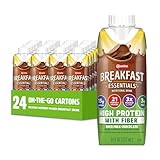
1. Start Your Day With Protein
Protein is one of the most important nutrients for hormone-friendly eating because it helps keep you full, supports steady blood sugar, and gives your body building blocks it needs for repair and balance.
If you start the day with only coffee, toast, or something sugary, you may notice cravings, mood swings, or energy crashes later. A protein-rich breakfast helps your body feel more stable from the beginning of the day.
Good options include eggs, Greek yogurt, cottage cheese, tofu scramble, smoked salmon, protein smoothies, or oatmeal with protein powder and nut butter.
👉 Style Tip: Aim to include a palm-sized portion of protein at breakfast so your energy feels steadier.
🛍 Shop here: Protein+Breakfast+Ideas



2. Balance Every Meal With Protein, Fiber, and Fat
A hormone-supportive meal does not need to be complicated. The easiest formula is protein, fiber-rich carbs, healthy fat, and colorful plants.
This combination helps slow digestion, keeps you satisfied longer, and prevents dramatic blood sugar crashes. When blood sugar feels more stable, cravings and energy dips may feel less intense.
For example, instead of eating plain pasta alone, add grilled chicken or beans, olive oil, vegetables, and a side salad. Small upgrades make a huge difference.
👉 Style Tip: Build your plate with protein first, then add fiber, healthy fat, and color.
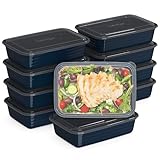
🛍 Shop here: Balanced+Meal+Prep+Containers



3. Eat Enough Healthy Fats
Healthy fats are essential for hormone production, nutrient absorption, and feeling satisfied after meals. If your diet is too low in fat, you may feel hungry often or struggle with cravings.
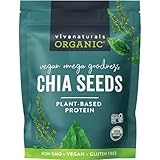
Add nourishing fats like avocado, olive oil, nuts, seeds, eggs, salmon, sardines, chia seeds, flaxseeds, and tahini. These foods help meals feel more complete and satisfying.
You do not need huge amounts. Just adding a little healthy fat to each meal can support a more balanced routine.
👉 Style Tip: Add avocado to toast, olive oil to salads, or chia seeds to smoothies for an easy hormone-friendly fat boost.
🛍 Shop here: Chia+Seeds



4. Choose Fiber-Rich Carbs
Carbs are not the enemy. Your body needs carbs for energy, mood, workouts, digestion, and overall wellness. The key is choosing carbs that give you fiber and nutrients instead of quick sugar spikes.
Fiber-rich carbs include oats, quinoa, lentils, beans, chickpeas, sweet potatoes, brown rice, berries, apples, vegetables, and whole grains.
These foods support digestion and help keep blood sugar steadier compared to refined carbs eaten alone.
👉 Style Tip: Pair carbs with protein or fat instead of eating them by themselves for better staying power.
🛍 Shop here: High+Fiber+Foods


5. Add More Color to Your Plate
Colorful fruits and vegetables bring antioxidants, vitamins, minerals, and fiber into your diet. These nutrients support your body’s natural detox pathways, gut health, skin health, and overall hormone-friendly nutrition.
Try adding leafy greens, berries, carrots, bell peppers, tomatoes, purple cabbage, pumpkin, broccoli, oranges, and beets throughout the week.
You do not need fancy recipes. A colorful salad, smoothie, roasted veggie tray, or fruit bowl can make your meals instantly more nourishing.
👉 Style Tip: Aim for at least three colors on your plate whenever possible.
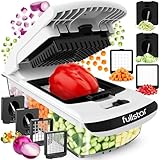
🛍 Shop here: Vegetable+Chopper



6. Support Your Gut With Fermented Foods
Gut health and hormone balance are closely connected because digestion affects how your body absorbs nutrients and removes waste. A happy gut can support better energy, less bloating, and a calmer routine overall.
Fermented foods like yogurt, kefir, kimchi, sauerkraut, miso, tempeh, and kombucha can add beneficial bacteria to your diet.
Start small if you are new to fermented foods. Too much too quickly may cause bloating for some people.
👉 Style Tip: Add one spoonful of fermented food to meals a few times a week and increase slowly.
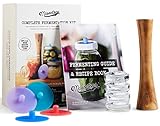
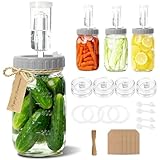
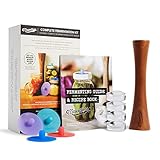
🛍 Shop here: Fermentation+Kit

7. Drink Enough Water
Hydration supports digestion, energy, skin, circulation, and overall body function. When you are dehydrated, you may feel tired, headachy, bloated, or snacky.
Water will not magically balance hormones overnight, but it is one of those basic habits that makes everything else work better.
If plain water feels boring, add lemon, cucumber, mint, berries, or orange slices.
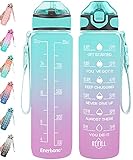
👉 Style Tip: Keep a water bottle nearby and sip consistently instead of waiting until you feel thirsty.
🛍 Shop here: Motivational+Water+Bottle


8. Reduce Added Sugar Without Being Extreme
Added sugar can contribute to blood sugar spikes and crashes, which may affect cravings, mood, and energy. But cutting it out completely can feel stressful and unrealistic.
Instead of banning sugar, focus on reducing daily sugar-heavy habits. Swap sweet drinks for infused water, choose plain yogurt with fruit, and enjoy desserts after balanced meals instead of on an empty stomach.
This approach feels more sustainable and less restrictive.
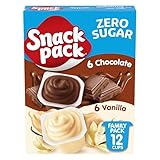
👉 Style Tip: Pair sweet treats with protein or fat to reduce the crash feeling afterward.
🛍 Shop here: Low+Sugar+Snack+Options


9. Be Smart With Caffeine
Coffee can absolutely fit into a hormone-friendly lifestyle, but timing and amount matter. Too much caffeine, especially on an empty stomach, can make some people feel jittery, anxious, or shaky.
Try drinking coffee after breakfast instead of before food. You can also switch your second cup to green tea, matcha, or herbal tea if caffeine affects your sleep or stress levels.
The goal is not to fear coffee. It is to notice how your body responds.
👉 Style Tip: If caffeine makes you anxious, add protein to breakfast before your first cup.
🛍 Shop here: Matcha+Green+Tea+Powder


10. Do Not Skip Meals
Skipping meals can lead to low energy, irritability, cravings, and overeating later. For some people, going too long without food can make stress hormones feel more intense.
A hormone-supportive diet should feel nourishing, not punishing. Eating regular balanced meals gives your body a sense of safety and consistency.
If you are busy, keep simple options ready like boiled eggs, Greek yogurt, fruit with nut butter, wraps, leftovers, or smoothie packs.
👉 Style Tip: Prep easy backup meals so you are not forced to rely on random snacks when life gets busy.
🛍 Shop here: Meal+Prep+Containers


11. Include Magnesium-Rich Foods
Magnesium is often called a calming mineral because it supports muscle function, sleep, stress response, and overall wellness. Many hormone-friendly foods naturally contain magnesium.
Add pumpkin seeds, almonds, spinach, dark chocolate, black beans, avocado, bananas, and whole grains to your meals.
These foods are easy to include and can make your diet feel more nourishing without needing complicated supplements.
👉 Style Tip: Try a magnesium-rich evening snack like Greek yogurt with pumpkin seeds or banana with almond butter.
🛍 Shop here: Pumpkin+Seeds


12. Add Omega-3 Foods
Omega-3 fats are supportive for inflammation balance, brain health, skin health, and overall wellness. They are especially helpful in a nutrient-rich hormone-supportive eating pattern.
Good sources include salmon, sardines, mackerel, chia seeds, flaxseeds, walnuts, and hemp seeds.
If you do not eat fish, plant-based options like chia, flax, and walnuts are great additions.
👉 Style Tip: Add ground flaxseed to smoothies, oatmeal, or yogurt bowls for an easy omega-3 boost.
🛍 Shop here: Ground+Flaxseed


13. Eat Cruciferous Vegetables
Cruciferous vegetables like broccoli, cauliflower, cabbage, kale, Brussels sprouts, and arugula are popular in hormone-friendly diets because they support digestion and natural detox pathways.
They are also rich in fiber, which helps your body eliminate waste regularly. Regular digestion matters because it helps your body clear what it no longer needs.
You do not need to eat giant bowls of raw broccoli every day. Roasted, steamed, sautéed, or added to soups all work.
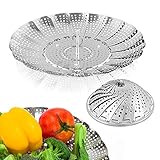
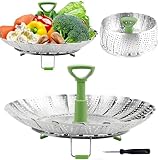
👉 Style Tip: Roast broccoli or cauliflower with olive oil, garlic, and lemon for a simple hormone-friendly side.
🛍 Shop here: Steamer+Basket


14. Choose Whole Foods Most of the Time
Whole foods give your body more nutrients than heavily processed options. This includes fruits, vegetables, beans, lentils, eggs, fish, chicken, tofu, nuts, seeds, oats, rice, and potatoes.
You do not need to eat perfectly clean. Just make whole foods the foundation most of the time and enjoy treats without guilt.
This balanced approach is much easier to maintain long-term than extreme restriction.
👉 Style Tip: Start by upgrading one meal a day instead of changing everything at once.
🛍 Shop here: Healthy+Cookbook


15. Build Hormone-Friendly Snacks
Snacks can either support your energy or send you into a crash. A hormone-friendly snack usually includes protein, fiber, or healthy fat.
Instead of plain crackers or candy, try apple slices with peanut butter, Greek yogurt with berries, hummus with veggies, boiled eggs, trail mix, chia pudding, or cottage cheese with fruit.
These snacks help you feel satisfied and prevent the “I need something sweet immediately” feeling.
👉 Style Tip: Prep two or three snack options at the start of the week so healthy choices feel easy.
🛍 Shop here: Snack+Prep+Containers


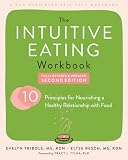
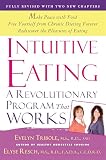
16. Avoid Extreme Dieting
Extreme dieting can be stressful for the body. Eating too little may lead to low energy, cravings, poor mood, and feeling out of control around food.
Hormone balance is not about punishment. Your body needs enough calories, protein, carbs, fats, vitamins, and minerals to function well.
A gentle, nourishing routine is usually more supportive than crash diets or strict food rules.
👉 Style Tip: Focus on adding nourishing foods before obsessing over what to remove.
🛍 Shop here: Intuitive+Eating+Book


17. Make Your Plate PMS-Friendly
If you struggle with cravings, bloating, mood swings, or fatigue before your period, your meals can offer extra support. Focus on magnesium-rich foods, iron-rich foods, protein, fiber, and complex carbs.
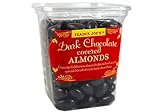
Great options include lentil soup, salmon with sweet potatoes, Greek yogurt with seeds, spinach omelets, dark chocolate with nuts, and warm oatmeal.
You do not need to fight cravings. You can respond to them with meals and snacks that feel comforting and nourishing.
👉 Style Tip: Keep easy PMS-friendly snacks ready during the week before your period.
🛍 Shop here: Dark+Chocolate+Almonds



18. Keep It Simple and Repeatable
The biggest mistake beginners make is trying to build a perfect hormone-balancing diet overnight. That usually leads to stress, confusion, and burnout.
Instead, create simple repeatable meals you actually like. A few go-to breakfasts, lunches, dinners, and snacks can make healthy eating feel easy.
Consistency matters more than novelty. Your body loves routines that are nourishing and realistic.
👉 Style Tip: Choose three easy hormone-friendly meals and repeat them during busy weeks.
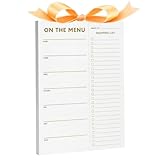
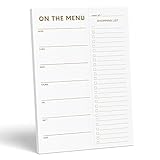
🛍 Shop here: Weekly+Meal+Planner


Balancing hormones naturally through diet is not about being perfect, cutting out every fun food, or following a complicated wellness routine that makes your life harder. It is about building meals that nourish your body, support steady energy, reduce cravings, improve digestion, and help you feel more balanced from the inside out.
Start small. Add more protein. Choose fiber-rich carbs. Include healthy fats. Drink water. Build balanced snacks. Most importantly, listen to your body and create a routine you can actually enjoy.
Save this beginner’s guide for your hormone balance journey, pin your favorite tips, and come back whenever you need a simple reminder that nourishing your hormones can feel gentle, realistic, and totally doable.
Discover more from Serenity Talks
Subscribe to get the latest posts sent to your email.


