

This Post Contains Affiliate Links. Please Read Our Disclosure for Full Information.
Starting a fitness routine doesn’t have to involve intense workouts or expensive equipment. Walking is a simple, accessible way to become more active, improve endurance, and build healthy habits.
These 15 walking workouts for beginners offer easy, realistic ways to stay consistent, whether you prefer walking outdoors, exercising at home, or using a treadmill.
1. Start With a 10-Minute Easy Walking Workout
A 10-minute walking workout is a great starting point if you’re new to exercise or returning after a long break.
Choose a comfortable walking pace that allows you to breathe normally and hold a conversation.
Walk around your neighborhood, a nearby park, or even inside your home.
The goal isn’t to cover a certain distance. It’s simply to get moving and establish a routine you can repeat.
Beginner Walking Workout:
- Minutes 1–2: Walk slowly to warm up.
- Minutes 3–8: Walk at a comfortable, steady pace.
- Minutes 9–10: Slow down to cool off.
✨ Fitness Tip: Try walking at the same time each day to make the habit easier to maintain.
A comfortable pair of walking shoes for beginners can help make daily walks more enjoyable.

2. Try a 15-Minute Brisk Walking Workout
Once you’re comfortable with easy walks, gradually introduce a slightly faster pace.
Brisk walking can help improve cardiovascular endurance while remaining approachable for beginners.
Aim for a pace where your breathing becomes a little faster but you can still speak in full sentences.
Beginner Walking Workout:
- Minutes 1–3: Walk at an easy pace.
- Minutes 4–12: Increase to a comfortable brisk pace.
- Minutes 13–15: Slow down gradually.
✨ Fitness Tip: Focus on natural arm movement and relaxed shoulders rather than trying to walk as fast as possible.
Consider a fitness walking watch to help track your activity.

3. Follow a 20-Minute Beginner Walking Routine
A 20-minute walking workout is ideal when you’re ready to spend a little more time exercising.
This routine combines comfortable walking with short periods of increased effort.
It’s a simple way to build endurance without jumping into a demanding workout.
Beginner Walking Workout:
- Minutes 1–5: Easy walking warm-up.
- Minutes 6–10: Moderate walking pace.
- Minutes 11–15: Slightly faster walking.
- Minutes 16–20: Comfortable walking and cooldown.
✨ Fitness Tip: If 20 minutes feels difficult, split the workout into two 10-minute walks.
Stay comfortable with breathable walking socks.

4. Try a Beginner Walking Interval Workout
Walking intervals alternate between comfortable and slightly faster walking.
This makes the workout more interesting and allows you to practice changing your pace.
You don’t need to sprint or power walk. Small increases in speed are enough.
Beginner Walking Workout:
- Minutes 1–3: Easy warm-up.
- Minutes 4–13: Alternate 1 minute of brisk walking with 2 minutes of easy walking, repeating three times.
- Minutes 14–15: Easy cooldown.
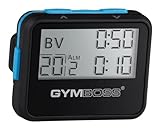
✨ Fitness Tip: Use a timer to manage your intervals. If the faster sections feel too intense, reduce your pace.
Try a simple interval timer for workouts.
5. Do a 15-Minute Indoor Walking Workout
You don’t need a gym or outdoor space to enjoy a walking workout.
Indoor walking is perfect for rainy days, hot weather, or times when you prefer exercising at home.
Walk around your living room, march gently in place, or follow a simple indoor walking route.
Beginner Walking Workout:
- Minutes 1–3: March slowly in place.
- Minutes 4–7: Walk around your room at a steady pace.
- Minutes 8–11: Alternate gentle marching and side steps.
- Minutes 12–15: Slow walking cooldown.
✨ Fitness Tip: Clear the floor of obstacles and wear supportive, nonslip footwear.
Shop comfortable indoor walking shoes.

6. Try a Beginner Treadmill Walking Workout
A treadmill makes it easy to control your walking speed and exercise regardless of the weather.
Start with a flat incline and a comfortable pace.
As you become more confident, gradually increase the duration or speed.
Beginner Walking Workout:
- Minutes 1–3: Slow walking warm-up.
- Minutes 4–8: Comfortable steady walking.
- Minutes 9–12: Slightly faster walking.
- Minutes 13–15: Gradual cooldown.
✨ Fitness Tip: Learn how to use the treadmill’s emergency stop feature and avoid holding the handrails continuously unless needed for balance.
A walking treadmill for home may be useful if you prefer indoor exercise.

7. Practice a 20-Minute Walking Workout With Gentle Hills
Walking on a gentle incline introduces a new challenge while helping you build lower-body endurance.
Choose a route with a mild hill rather than a steep climb.
Walk slowly uphill and allow yourself to recover on flatter sections.
Beginner Walking Workout:
- Minutes 1–5: Walk on flat ground.
- Minutes 6–9: Walk up a gentle incline.
- Minutes 10–13: Return to flat walking.
- Minutes 14–16: Repeat a short gentle incline if comfortable.
- Minutes 17–20: Easy cooldown.
✨ Fitness Tip: Take shorter steps on hills and avoid pushing through knee pain or unusual breathlessness.
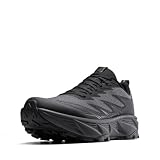
Consider walking shoes with good traction.
8. Try a Morning Walking Workout
A short morning walk can be a refreshing way to begin your day.
You don’t need to wake up extremely early or walk long distances.
Simply choose a convenient time and follow a comfortable route before starting your daily responsibilities.
Beginner Walking Workout:
- Minutes 1–3: Walk slowly and loosen up.
- Minutes 4–12: Maintain a comfortable, steady pace.
- Minutes 13–15: Slow down and finish your walk.
✨ Fitness Tip: Prepare your shoes and walking clothes the night before to make morning exercise easier.
Try a lightweight walking jacket for cooler mornings.

9. Follow a 10-Minute After-Meal Walking Routine
A gentle walk after a meal is an easy way to add movement to your day.
Instead of sitting immediately after eating, take a relaxed walk around your home or neighborhood.
Keep the pace comfortable, particularly after a larger meal.
Beginner Walking Workout:
- Minutes 1–2: Walk slowly.
- Minutes 3–8: Maintain an easy, comfortable pace.
- Minutes 9–10: Gradually slow down.
✨ Fitness Tip: Start with a short, gentle walk after lunch or dinner. If you feel uncomfortable after eating, wait until you’re ready.
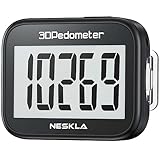
A compact step counter can help you track these short activity sessions.
10. Try a 25-Minute Steady-Pace Walking Workout
Steady-paced walking is a great way to practice maintaining a comfortable effort over a longer period.
Choose a flat route where you can walk without frequent interruptions.
Focus on smooth movements, natural breathing, and a pace you can sustain.
Beginner Walking Workout:
- Minutes 1–5: Easy warm-up.
- Minutes 6–20: Comfortable, steady walking.
- Minutes 21–25: Slow cooldown.
✨ Fitness Tip: Don’t worry about your distance or step count. Completing the walk comfortably is the main goal.
Carry essentials in a lightweight walking waist pack.

11. Practice a 15-Minute Walking and Arm Movement Workout
Adding gentle arm movements can make an indoor walking session more engaging.
Walk in place while swinging your arms naturally, then introduce controlled arm raises or reaches.
Avoid using heavy weights while learning the routine.
Beginner Walking Workout:
- Minutes 1–3: Easy marching warm-up.
- Minutes 4–7: Walk in place with natural arm swings.
- Minutes 8–11: Alternate walking with gentle arm raises.
- Minutes 12–15: Slow marching cooldown.
✨ Fitness Tip: Keep movements controlled and comfortable. Stop any arm exercise that causes shoulder discomfort.
Wear comfortable workout tops for walking.

12. Try a 20-Minute Walking Workout in the Park
Walking in a park can make exercise feel more enjoyable and less repetitive.
Choose a familiar, well-maintained path and walk at a comfortable pace.
Pay attention to your surroundings and enjoy the scenery while maintaining a relaxed rhythm.
Beginner Walking Workout:
- Minutes 1–5: Easy walking.
- Minutes 6–15: Comfortable brisk walking.
- Minutes 16–20: Gradual cooldown.
✨ Fitness Tip: Choose a route with benches or resting spots if you’re still building endurance.
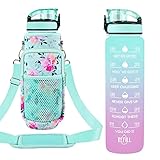
Bring a reusable water bottle for walking.
13. Do a Beginner Walk-and-Recover Workout
A walk-and-recover routine is useful when continuous brisk walking feels challenging.
Alternate short walking periods with slower recovery periods.
This approach allows you to build activity gradually while keeping the workout manageable.
Beginner Walking Workout:
- Minutes 1–3: Easy warm-up.
- Minutes 4–15: Alternate 2 minutes of comfortable walking with 1 minute of slower walking, repeating four times.
- Minutes 16–18: Easy cooldown.
✨ Fitness Tip: Recovery periods are part of the workout. Use them whenever you need to catch your breath.
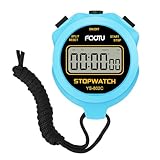
Try a simple fitness stopwatch.
14. Try a 30-Minute Beginner Walking Challenge
Once shorter walking workouts feel comfortable, you may be ready to try a 30-minute session.
This workout focuses on building consistency and endurance rather than walking speed.
Choose a comfortable route and take breaks if needed.
Beginner Walking Workout:
- Minutes 1–5: Easy warm-up.
- Minutes 6–15: Comfortable steady walking.
- Minutes 16–25: Continue at a sustainable pace.
- Minutes 26–30: Gradual cooldown.
✨ Fitness Tip: If 30 minutes feels too difficult, complete three 10-minute walks throughout the day instead.
Choose supportive walking sneakers for longer sessions.

15. Create a Weekly Walking Workout Routine
The most effective beginner walking plan is one you can maintain consistently.
Instead of trying to complete an intense workout every day, create a realistic weekly schedule.
Mix short walks, comfortable steady-paced sessions, and rest days.
Beginner Weekly Walking Workout:
- Monday: 10-minute easy walk.
- Tuesday: 15-minute steady walk.
- Wednesday: Rest or gentle movement.
- Thursday: 15-minute walking intervals.
- Friday: 20-minute comfortable walk.
- Saturday: 15-minute outdoor walk.
- Sunday: Rest or optional easy stroll.
✨ Fitness Tip: Start with fewer days if necessary and gradually build your routine. Consistency matters more than completing every session perfectly.
Use a fitness habit tracker journal to record your progress.

4-Week Beginner Walking Workout Plan
If you’re unsure how to start, this simple four-week walking schedule can help you build a consistent habit.
| Week | Walking Duration | Frequency | Main Goal |
|---|---|---|---|
| Week 1 | 10 minutes | 3 days | Establish a routine |
| Week 2 | 10–15 minutes | 3–4 days | Increase consistency |
| Week 3 | 15–20 minutes | 4 days | Build comfortable endurance |
| Week 4 | 20–30 minutes | 4–5 days | Maintain a sustainable routine |
This is a flexible example, not a required progression. Repeat a week or reduce the duration whenever you need more time to adjust.
How to Know If You’re Walking at the Right Pace
You don’t need to track complicated fitness metrics to find a comfortable walking intensity.
The talk test is a simple way to judge your effort.
| Walking Intensity | How It Feels | Beginner Guidance |
|---|---|---|
| Easy | Breathing comfortably and talking normally | Ideal for warm-ups and recovery |
| Moderate | Breathing faster but still able to talk | Suitable for steady walking |
| Brisk | More effort, but conversation is still possible | Introduce gradually |
| Very Intense | Difficult to speak more than a few words | Slow down if you’re a beginner |
Most beginner workouts should feel comfortable to moderately challenging rather than exhausting.
Essential Walking Workout Tips for Beginners
A few simple habits can make your walking routine safer and more enjoyable.
- Wear comfortable shoes: Choose supportive footwear that fits properly.
- Start with short sessions: Even 5–10 minutes can be a useful beginning.
- Warm up gradually: Walk slowly before increasing your pace.
- Stay hydrated: Drink water according to your needs, especially in warm weather.
- Choose safe walking routes: Look for well-lit, even paths and pay attention to traffic.
- Maintain comfortable posture: Keep your shoulders relaxed and look ahead.
- Increase activity gradually: Add time or intensity only when your current routine feels manageable.
- Listen to your body: Stop if you experience chest pain, dizziness, faintness, or unusual shortness of breath, and seek appropriate medical care.
- Schedule rest: Recovery days are helpful when adjusting to a new activity.
- Track consistency: Celebrate completed walks rather than focusing only on calories or step counts.
If you have a medical condition, significant mobility limitations, or concerns about starting exercise, seek individualized guidance from a qualified healthcare professional.
Common Beginner Walking Workout Mistakes to Avoid
Walking is approachable, but a few common mistakes can make it harder to stay consistent.
Starting too fast: Begin at a pace you can maintain comfortably.
Increasing duration too quickly: Build endurance gradually instead of doubling your walking time overnight.
Ignoring discomfort: Persistent pain or unusual symptoms shouldn’t be pushed through.
Choosing uncomfortable shoes: Poorly fitting footwear can cause blisters and foot discomfort.
Comparing yourself to others: Everyone starts with a different fitness level.
Skipping rest days: Recovery is part of building a sustainable routine.
Expecting immediate results: Focus on regular activity and gradual progress rather than dramatic short-term changes.
How to Stay Consistent With Walking Workouts
Building a walking habit is often easier when you make it part of your everyday schedule.
Try these simple strategies:
- Choose a regular walking time: Morning, lunchtime, or evening can all work.
- Start with an achievable goal: A short walk is better than an unrealistic plan you can’t maintain.
- Prepare your walking essentials: Keep shoes, socks, and water ready.
- Find enjoyable routes: Parks, neighborhoods, and indoor walking spaces provide variety.
- Use a simple activity tracker: Record your walking days and durations.
- Walk with a friend: Having company can make workouts more enjoyable.
- Keep a backup plan: Indoor walking is useful when the weather isn’t suitable.
- Celebrate consistency: Every completed walk is progress toward a stronger routine.
Frequently Asked Questions
How long should beginners walk each day?
Many beginners can start with 5–10 minutes and gradually increase their walking time. The best starting duration depends on individual fitness, health, and comfort.
Is walking 15 minutes a day enough for beginners?
A 15-minute daily walk can be a meaningful starting point, especially for someone who has been inactive. Over time, you can gradually work toward broader physical activity recommendations.
How many days a week should beginners walk?
Starting with three or four walking days per week can be manageable. Some people prefer shorter daily walks, while others benefit from rest days between sessions.
Can I do walking workouts at home?
Yes! Walking in place, marching gently, and following simple indoor walking routines are convenient options when outdoor walking isn’t possible.
What is a good long-term walking goal?
For most healthy adults, public health guidelines recommend working toward at least 150 minutes of moderate-intensity aerobic activity per week, along with muscle-strengthening activities on two days. Beginners can build toward this gradually.
Final Thoughts
Starting a walking routine doesn’t have to be complicated or overwhelming. 💕
These 15 walking workouts for beginners provide simple ways to build endurance, increase everyday movement, and develop a consistent exercise habit.
Whether you start with a 10-minute morning walk, try indoor walking intervals, or work toward a comfortable 30-minute session, the key is choosing activities that fit your lifestyle.
Start small, progress gradually, and focus on how walking makes you feel rather than chasing perfect numbers.
Remember, a sustainable fitness routine is built one comfortable step at a time.
Which beginner walking workout will you try first? Save this guide for your next fitness session and start building a walking routine that works for you! 🚶♀️✨
Discover more from Serenity Talks
Subscribe to get the latest posts sent to your email.


