

This Post Contains Affiliate Links. Please Read Our Disclosure for Full Information.
Walking is one of the simplest ways to become more active, but a few common mistakes can make your workouts uncomfortable or harder to maintain. 🚶♀️
These 17 walking workout mistakes beginners can avoid will help you build a comfortable, consistent routine. From choosing supportive shoes to managing your pace, small adjustments can make every walk more enjoyable.
1. Walking Too Fast When You’re Just Starting
One of the most common beginner walking mistakes is trying to maintain a fast pace from the very first workout.
Walking too quickly can leave you breathless, uncomfortable, or exhausted before you’ve built endurance.
Instead, begin at a comfortable pace that allows you to speak in full sentences. Gradually increase your speed as walking becomes easier.
✨ Walking Tip: Try a relaxed five-minute warm-up before settling into your usual pace. You don’t need to walk fast to make progress.
Shop comfortable walking shoes for beginners.

2. Wearing Shoes That Don’t Fit Properly
Uncomfortable footwear can quickly turn a pleasant walk into a frustrating experience.
Shoes that are too tight, too loose, or poorly suited to your feet may contribute to blisters, rubbing, or discomfort.
Choose walking shoes with a secure heel, enough room for your toes, and cushioning that feels comfortable.
✨ Walking Tip: Try shoes on with the socks you plan to wear. Your feet should feel supported without being squeezed.
Shop supportive walking sneakers.

3. Skipping the Warm-Up
Starting a brisk walk immediately after sitting for hours can feel uncomfortable.
A short, easy-paced warm-up gives your body time to adjust to movement.
Begin with several minutes of gentle walking before gradually increasing your speed.
✨ Walking Tip: Keep your warm-up simple. Comfortable walking and a few gentle ankle or shoulder movements are usually enough for an easy session.
Shop beginner walking fitness trackers.

4. Increasing Walking Distance Too Quickly
It’s exciting to feel motivated, but suddenly doubling your walking distance can leave your body struggling to recover.
Beginners may experience excessive soreness or discomfort when they increase their walking time too aggressively.
Start with manageable sessions and build gradually based on how your body responds.
✨ Walking Tip: If you’re comfortable walking for 10 minutes, focus on making that routine consistent before adding more time.
Shop walking workout journals.

5. Ignoring Walking Posture
Poor posture can make walking feel less comfortable, especially during longer sessions.
Looking down constantly, hunching your shoulders, or leaning too far forward may contribute to unnecessary tension.
Keep your head comfortably upright, relax your shoulders, and allow your arms to swing naturally.
✨ Walking Tip: Imagine standing tall while keeping your body relaxed. Avoid forcing yourself into a stiff or exaggerated posture.
Shop comfortable walking activewear.

6. Taking Unnaturally Long Steps
Trying to cover more ground with oversized strides can make walking feel awkward.
Overstriding may increase braking forces and create unnecessary discomfort for some walkers.
Instead, use a natural stride length and allow your feet to land comfortably beneath your body.
✨ Walking Tip: If you want to walk faster, gradually increase your step frequency rather than stretching your legs farther forward.
Shop lightweight walking shoes.

7. Forgetting to Drink Enough Water
Hydration matters, particularly when you’re walking outdoors in warm or humid weather.
Some beginners head out without considering the temperature, duration, or availability of drinking water.
Drink according to your thirst and conditions, and carry water when needed.
✨ Walking Tip: A lightweight reusable bottle can make hydration more convenient. Avoid forcing excessive amounts of water.
Shop lightweight walking water bottles.

8. Walking Every Day Without Considering Recovery
Walking is generally a low-impact activity, but beginners still need to pay attention to fatigue and soreness.
Doing long or intense walks every day before building endurance may lead to discomfort or frustration.
Alternate more challenging sessions with shorter, easier walks or rest days as needed.
✨ Walking Tip: Gentle movement can be helpful, but persistent pain is a reason to reduce activity and seek appropriate medical advice.
Shop walking recovery massage balls.

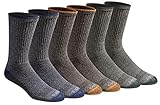
9. Choosing the Wrong Walking Socks
Socks may seem like a small detail, but uncomfortable ones can make walking unpleasant.
Loose socks may bunch up, while rough seams or moisture-retaining materials can contribute to rubbing.
Choose comfortable socks that fit securely and help manage moisture.
✨ Walking Tip: Test your socks on shorter walks before wearing them during longer sessions.
Shop moisture-wicking walking socks.
10. Comparing Your Walking Speed With Others
It’s easy to feel discouraged when someone else walks faster, farther, or more frequently.
But walking ability depends on many factors, including fitness, health, terrain, and experience.
Focus on your own comfort, consistency, and gradual progress instead of comparing numbers.
✨ Walking Tip: Track personal milestones, such as completing a comfortable walk or feeling less tired on a familiar route.
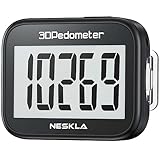
Shop simple step counters.
11. Ignoring Weather Conditions
Walking outdoors can be enjoyable, but extreme heat, cold, rain, or poor air quality can create unnecessary risks.
Beginners sometimes focus so much on completing a workout that they overlook changing conditions.
Check the weather and air quality before heading out, and adjust your plans when necessary.
✨ Walking Tip: Indoor walking, a treadmill, or a comfortable hallway route can be useful alternatives during unsuitable weather.
Shop lightweight walking rain jackets.

12. Skipping the Cool-Down
Finishing a brisk walk and stopping abruptly may leave some beginners feeling uncomfortable.
A gradual cool-down allows your breathing and heart rate to settle as you transition back to normal activities.
Slow your pace for several minutes before ending your session.
✨ Walking Tip: Finish with gentle walking rather than immediately sitting down after a challenging workout.
Shop exercise stretching mats.

13. Setting Unrealistic Daily Step Goals
Aiming for a large daily step count can feel motivating, but it isn’t necessary for everyone.
Beginners may become discouraged if they choose a goal that doesn’t match their current fitness or schedule.
Start by observing your usual activity and setting a realistic, flexible target.
✨ Walking Tip: You don’t have to reach 10,000 steps every day to benefit from walking. Even smaller increases in activity can be meaningful.
Shop basic pedometers for walking.
14. Walking While Constantly Looking at Your Phone
Checking messages, scrolling, or watching videos while walking can distract you from your surroundings.
This is especially risky near traffic, uneven sidewalks, intersections, or crowded areas.
Keep your attention on the route and stop somewhere safe if you need to use your phone.
✨ Walking Tip: If you listen to music or podcasts, keep the volume low enough to hear important sounds around you.
Shop reflective walking accessories.

15. Carrying an Uncomfortable Bag
A heavy shoulder bag or poorly fitted backpack can make your walking workout less comfortable.
Extra weight may change your posture and create unnecessary strain, particularly during longer walks.
Carry only what you need and distribute the weight comfortably.
✨ Walking Tip: A lightweight waist pack or small, well-fitted backpack can help keep essentials organized without restricting your movement.
Shop lightweight walking waist packs.

16. Ignoring Pain or Unusual Symptoms
Some muscle fatigue can be normal when beginning a new exercise routine, but pain shouldn’t automatically be dismissed.
Sharp pain, worsening joint discomfort, dizziness, or unusual shortness of breath may indicate that something needs attention.
Stop walking if you experience concerning symptoms and seek medical guidance when appropriate.
✨ Walking Tip: Chest pain, fainting, or severe breathing difficulty requires urgent medical attention. Don’t try to push through warning signs.
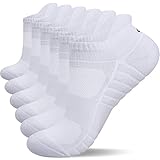
Shop comfortable cushioned walking socks.
17. Giving Up Because Progress Feels Slow
One of the biggest beginner mistakes is expecting dramatic results after only a few walks.
Building fitness and establishing a routine takes time, and progress isn’t always visible immediately.
Focus on consistency, comfort, and small improvements rather than expecting rapid changes.
✨ Walking Tip: Celebrate simple achievements, such as completing three walks in a week or feeling more comfortable on your usual route.
Shop fitness habit tracker journals.

Beginner-Friendly Walking Workout Schedule
If you’re new to walking workouts, this simple example can help you get started.
| Day | Walking activity | Suggested duration |
|---|---|---|
| Monday | Comfortable outdoor walk | 10–15 minutes |
| Tuesday | Easy indoor walking | 10 minutes |
| Wednesday | Comfortable walk with a slightly brisk middle section | 15 minutes |
| Thursday | Rest or gentle movement | As comfortable |
| Friday | Relaxed neighborhood walk | 15–20 minutes |
| Saturday | Easy park or nature walk | 15–20 minutes |
| Sunday | Rest or optional gentle walk | As comfortable |
These durations are examples, not requirements. Shorter walks may be more appropriate depending on your fitness, health, and mobility.
How to Make Your Walking Workouts More Effective
- Build consistency first. Choose a walking schedule you can realistically maintain.
- Increase gradually. Add time or intensity when your current routine feels comfortable.
- Use the talk test. During moderate-intensity walking, you should generally be able to talk but not sing comfortably.
- Choose safe routes. Look for well-lit paths, stable surfaces, and appropriate pedestrian areas.
- Pay attention to recovery. Adjust your routine if you’re experiencing unusual fatigue or persistent discomfort.
- Make it enjoyable. Explore different routes, walk with a friend, or listen to a favorite podcast when it’s safe.
For general health, adults are commonly encouraged to work toward at least 150 minutes of moderate-intensity aerobic activity per week, along with muscle-strengthening activities. Beginners can start with less and build up over time.
If you have a medical condition, significant mobility limitation, or symptoms that affect exercise, ask a qualified healthcare professional about an appropriate starting routine.
Final Thoughts
Walking is a simple, accessible way to become more active, but developing a comfortable routine takes patience. 🚶♀️💕
By avoiding these 17 walking workout mistakes for beginners, you can make your walks more enjoyable while building healthy habits that fit your lifestyle.
Remember to wear comfortable shoes, start at a manageable pace, stay aware of your surroundings, and give yourself time to progress.
You don’t need perfect step counts, expensive equipment, or intense workouts to begin.
The best walking routine is one you can enjoy, maintain, and gradually build upon. ✨
Start with a comfortable walk today, and let consistency guide your progress!
Discover more from Serenity Talks
Subscribe to get the latest posts sent to your email.


