

This Post Contains Affiliate Links. Please Read Our Disclosure for Full Information.
Losing weight after 40 can feel very different than it did in your 20s or 30s. Hormonal changes, reduced muscle mass, increased stress, and a naturally slower metabolism can all make fat loss more challenging. But contrary to popular belief, it’s absolutely possible to lose weight—you just need strategies that work with your body instead of against it.
Many women unknowingly make common mistakes that stall progress, increase cravings, or make healthy habits harder to maintain. The good news? Most of these mistakes are easy to fix with small, sustainable lifestyle changes.
Here are 29 common weight loss mistakes women over 40 make and what to do instead for healthier, long-lasting fat loss.
1. Eating Too Little
Severely restricting calories may seem like the fastest path to weight loss, but it often backfires. Eating too little can leave you feeling constantly hungry, reduce energy levels, and make it difficult to stick with healthy habits over time.
A moderate calorie deficit combined with nutritious meals is generally easier to maintain and supports gradual, sustainable fat loss.
Healthy Habit Tip: Focus on nourishing your body with balanced meals instead of skipping them.
🛍 Shop here: Browse the best Meal Prep Containers on Amazon

2. Not Eating Enough Protein
Protein becomes even more important after 40 because it helps preserve muscle mass, supports recovery, and keeps you feeling full between meals.
Meals that are low in protein may leave you hungry sooner, increasing the temptation to snack throughout the day.
Healthy Habit Tip: Include a quality protein source with every meal and snack whenever possible.
🛍 Shop here: Browse the best Protein Meal Prep Containers on Amazon

3. Skipping Strength Training
Many women focus only on cardio, but resistance training helps preserve and build muscle, which supports strength and contributes to daily energy expenditure.
Strength training also improves bone health, posture, and overall functional fitness.
Healthy Habit Tip: Aim for two or three full-body strength sessions each week using weights, resistance bands, or bodyweight exercises.
🛍 Shop here: Browse the best Resistance Bands on Amazon

4. Drinking Your Calories
Sugary coffee drinks, soft drinks, sweetened teas, juices, and alcoholic beverages can add a surprising number of calories without providing lasting fullness.
Replacing these drinks with water or unsweetened beverages can make it easier to manage your overall calorie intake.
Healthy Habit Tip: Carry a reusable water bottle to stay hydrated throughout the day.
🛍 Shop here: Browse the best Insulated Water Bottles on Amazon

5. Ignoring Sleep
Poor sleep can make healthy eating and exercise feel much harder by increasing fatigue and affecting hunger-regulating hormones.
Making sleep a priority supports recovery, energy levels, and consistent healthy habits.
Healthy Habit Tip: Try to maintain a regular bedtime and reduce screen time before going to sleep.
🛍 Shop here: Browse the best Blackout Curtains on Amazon
6. Relying Only on the Scale
Your body composition can improve even when the number on the scale changes slowly. Building muscle while losing fat may result in little change in weight but noticeable improvements in measurements and how your clothes fit.
Tracking multiple signs of progress gives a more complete picture of your results.
Healthy Habit Tip: Take monthly progress photos and body measurements instead of weighing yourself every day.
🛍 Shop here: Browse the best Digital Body Weight Scales on Amazon
7. Sitting Too Much During the Day
Even if you exercise regularly, spending long periods sitting can reduce your overall daily movement.
Increasing everyday activities like walking, climbing stairs, and standing more often can meaningfully increase your daily energy expenditure.
Healthy Habit Tip: Set a reminder to stand up and move for a few minutes every hour.
🛍 Shop here: Browse the best Fitness Trackers on Amazon

8. Eliminating Entire Food Groups
Completely avoiding carbohydrates, healthy fats, or favorite foods often makes healthy eating difficult to maintain.
A balanced eating pattern that includes a variety of nutrient-rich foods is generally more sustainable than highly restrictive diets.
Healthy Habit Tip: Practice portion control instead of complete food restriction.
🛍 Shop here: Browse the best Portion Control Plates on Amazon

9. Eating Too Many Healthy Snacks
Foods like nuts, granola, dried fruit, and nut butter are nutritious, but they’re also energy-dense. Large portions can make it harder to maintain a calorie deficit.
Healthy foods still count toward your total daily intake.
Healthy Habit Tip: Portion snacks into small containers instead of eating directly from the package.
🛍 Shop here: Browse the best Snack Portion Containers on Amazon

10. Expecting Fast Results
Healthy fat loss is usually gradual. Expecting dramatic weekly changes can lead to frustration and giving up too soon.
Long-term consistency almost always produces better outcomes than chasing rapid transformations.
Healthy Habit Tip: Celebrate healthy habits and non-scale victories instead of focusing only on weekly weight changes.
🛍 Shop here: Browse the best Fitness Journals on Amazon
11. Skipping Breakfast When You’re Hungry
Some women naturally do well without breakfast, but if skipping it leaves you ravenous later, it can lead to overeating at lunch or excessive evening snacking.
A balanced breakfast with protein, fiber, and healthy fats can help stabilize energy and appetite throughout the day.
Healthy Habit Tip: Choose a breakfast that includes protein, such as eggs, Greek yogurt, or cottage cheese, paired with fruit or whole grains.
🛍 Shop here: Browse the best Overnight Oat Containers on Amazon

12. Not Managing Stress
Chronic stress can make healthy habits more difficult by increasing emotional eating, disrupting sleep, and reducing motivation to exercise.
Finding healthy ways to cope with stress supports both your physical and mental well-being.
Healthy Habit Tip: Spend 10–15 minutes each day practicing deep breathing, stretching, journaling, or meditation.
🛍 Shop here: Browse the best Meditation Cushions on Amazon

13. Doing Too Much Cardio
Cardio is excellent for heart health and burning calories, but relying on it alone may not support muscle maintenance as effectively as combining it with strength training.
A balanced fitness routine often delivers better long-term results.
Healthy Habit Tip: Combine walking, cycling, or swimming with two or three resistance-training sessions each week.
🛍 Shop here: Browse the best Adjustable Dumbbells on Amazon

14. Underestimating Portion Sizes
Even nutritious foods can contribute to excess calorie intake when portions become much larger than intended.
Learning what a balanced portion looks like makes mindful eating much easier.
Healthy Habit Tip: Use smaller plates occasionally to help avoid unintentionally oversized servings.
🛍 Shop here: Browse the best Portion Control Dinner Plates on Amazon

15. Forgetting About Fiber
Many women focus on protein but overlook fiber, which plays an important role in digestion, fullness, and overall health.
Meals that include vegetables, fruit, beans, and whole grains can help keep hunger under control.
Healthy Habit Tip: Fill at least half your plate with colorful vegetables during lunch and dinner.
🛍 Shop here: Browse the best Vegetable Storage Containers on Amazon

16. Eating Too Quickly
Fast eating can make it difficult to notice your body’s fullness signals, increasing the chance of consuming more food than you intended.
Slowing down allows you to enjoy meals and eat more mindfully.
Healthy Habit Tip: Aim to make each meal last at least 20 minutes whenever possible.
🛍 Shop here: Browse the best Mindful Eating Journals on Amazon

17. Drinking Too Little Water
Mild dehydration may sometimes be mistaken for hunger and can affect energy levels during the day.
Keeping hydrated also supports exercise performance and overall health.
Healthy Habit Tip: Drink a glass of water before meals and keep a refillable bottle nearby.
🛍 Shop here: Browse the best Motivational Water Bottles on Amazon
18. Comparing Yourself to Others
Everyone loses weight at a different pace depending on factors like age, genetics, activity level, and lifestyle.
Comparing your progress with someone else’s often creates unnecessary frustration.
Healthy Habit Tip: Measure your success against your own healthy habits and improvements, not someone else’s timeline.
🛍 Shop here: Browse the best Wellness Journals on Amazon
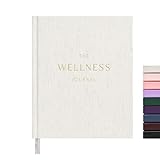
19. Having an “All-or-Nothing” Mindset
One indulgent meal or missed workout doesn’t erase weeks of healthy habits. Giving up after a small setback often causes more damage than the setback itself.
Progress comes from consistency—not perfection.
Healthy Habit Tip: View every meal as a fresh opportunity to make a healthy choice.
🛍 Shop here: Browse the best Habit Tracker Planners on Amazon

20. Ignoring Daily Movement Outside the Gym
Structured workouts are valuable, but your daily movement also matters. Walking more, gardening, taking the stairs, and doing household chores all contribute to overall activity levels.
Small movements throughout the day can add up over time.
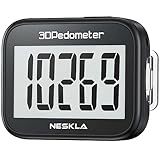
Healthy Habit Tip: Look for simple ways to move more every day instead of relying only on scheduled workouts.
🛍 Shop here: Browse the best Pedometers and Step Counters on Amazon
21. Relying on Weekend “Cheat Days”
Enjoying your favorite foods occasionally is completely normal, but turning every weekend into an all-day cheat session can easily offset the calorie deficit you created during the week.
Instead of labeling foods as “good” or “bad,” aim for balance and moderation.
Healthy Habit Tip: Include small treats throughout the week so you don’t feel deprived and less tempted to overindulge.
🛍 Shop here: Browse the best Portion Control Snack Containers on Amazon
22. Eating Too Few Vegetables
Vegetables are naturally low in calories while being rich in fiber, vitamins, minerals, and water. They help fill your plate and keep you satisfied without adding excessive calories.
Making vegetables a regular part of meals supports overall health and sustainable weight management.
Healthy Habit Tip: Fill at least half your lunch and dinner plate with colorful vegetables whenever possible.
🛍 Shop here: Browse the best Vegetable Choppers on Amazon

23. Staying Up Too Late
Late nights often lead to unnecessary snacking, reduced recovery, and lower energy the following day, making healthy choices more difficult.
Consistent sleep routines support appetite regulation and overall well-being.
Healthy Habit Tip: Create a relaxing bedtime routine and aim to go to bed at roughly the same time each night.
🛍 Shop here: Browse the best Sunrise Alarm Clocks on Amazon

24. Not Planning Meals Ahead
When meals aren’t planned, it’s easier to rely on takeout or convenience foods that may be higher in calories and lower in nutrients.
Even a simple weekly meal plan can reduce decision fatigue and make healthy eating more convenient.
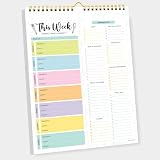
Healthy Habit Tip: Spend 20–30 minutes each weekend planning meals and preparing a few ingredients in advance.
🛍 Shop here: Browse the best Weekly Meal Planner Pads on Amazon
25. Expecting Exercise to Outrun Poor Nutrition
Exercise provides tremendous health benefits, but it’s generally easier to consume extra calories than it is to burn them through workouts alone.
Combining regular physical activity with balanced eating habits is often more effective than relying on exercise by itself.
Healthy Habit Tip: View exercise as a way to build strength, improve health, and support fat loss—not as permission to overeat.
🛍 Shop here: Browse the best Healthy Recipe Cookbooks on Amazon

26. Ignoring Recovery Days
Rest days allow your muscles to recover and adapt after exercise. Without adequate recovery, fatigue can build up and make it harder to stay consistent with your workouts.
Recovery is an important part of a well-rounded fitness routine.
Healthy Habit Tip: Include at least one or two lighter activity or recovery days each week with gentle walking, stretching, or yoga.
🛍 Shop here: Browse the best Foam Rollers on Amazon

27. Focusing Only on Belly Fat
It’s common to want to lose fat around the midsection, but your body decides where fat is lost first. Spot reduction through specific exercises isn’t supported by scientific evidence.
Instead, focus on reducing overall body fat through healthy nutrition, strength training, regular movement, and patience.
Healthy Habit Tip: Celebrate improvements in strength, endurance, energy, and how your clothes fit—not just changes around your waist.
🛍 Shop here: Browse the best Body Measurement Tape Measures on Amazon

28. Following Every New Diet Trend
Social media is filled with quick-fix diets promising rapid fat loss, but many are overly restrictive or difficult to sustain.
Building a consistent eating pattern that fits your lifestyle is far more likely to produce lasting results.
Healthy Habit Tip: Before trying a new diet, ask yourself if you could realistically follow it a year from now.
🛍 Shop here: Browse the best Healthy Living Journals on Amazon

29. Giving Up Too Soon
One of the biggest reasons women don’t reach their goals is simply stopping before healthy habits have enough time to work.
Meaningful fat loss often takes weeks or months of consistent effort, and progress is rarely perfectly linear.
Stay focused on building habits you can maintain for life rather than chasing fast results.
Healthy Habit Tip: Commit to healthy habits for at least 12 weeks before evaluating your overall progress, and remember that consistency matters more than perfection.
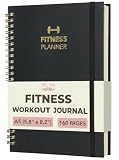
🛍 Shop here: Browse the best Fitness Progress Journals on Amazon
Conclusion
Weight loss after 40 isn’t about eating less, exercising harder, or following the latest fad diet—it’s about building sustainable habits that support your changing body. Avoiding common mistakes like skipping strength training, neglecting protein, underestimating portions, or relying on quick fixes can make a meaningful difference over time.
Remember that healthy fat loss is a gradual process. Focus on nourishing your body with balanced meals, staying active, getting enough sleep, managing stress, and celebrating progress beyond the number on the scale. Small, consistent improvements practiced day after day often lead to the most lasting results.
Above all, be patient with yourself. Every healthy choice you make is an investment in your long-term health, strength, and confidence.
Save this post to your Pinterest board so you can easily find these tips later!
Discover more from Serenity Talks
Subscribe to get the latest posts sent to your email.


