

This Post Contains Affiliate Links. Please Read Our Disclosure for Full Information.
Few beauty concerns are as frustrating as noticing more hair in your brush, shower drain, or pillowcase. Hair shedding is completely normal, but when it becomes excessive, it can affect confidence and leave many people searching for solutions.
The good news? Healthy hair starts from within. While genetics, hormones, stress, age, and certain medical conditions can contribute to hair loss, nutrition also plays a major role in maintaining strong, healthy hair growth.
That’s where supplements can help. Although supplements aren’t miracle cures, they may help fill nutritional gaps and support overall hair health when combined with a balanced diet and healthy lifestyle.
Let’s explore some of the most popular supplements that may help support healthy hair growth naturally.
1. Biotin: The Most Popular Hair Growth Supplement
When people think of hair supplements, biotin is usually the first thing that comes to mind.
Biotin, also known as vitamin B7, helps the body convert food into energy and plays a role in maintaining healthy hair, skin, and nails. Because of this connection, biotin supplements have become a favorite among beauty enthusiasts.
While biotin deficiency is relatively uncommon, ensuring adequate intake can support overall hair health.
👉 Hair Tip: Hair growth takes time. Consistency is more important than expecting overnight results.
🛍 Shop here: Biotin Supplement


2. Collagen Peptides for Stronger Hair Support
Collagen has become one of the biggest wellness trends in recent years.
As one of the body’s primary structural proteins, collagen provides amino acids that support healthy skin, nails, and hair. Since natural collagen production gradually declines with age, many people include collagen supplements in their beauty routines.
Collagen may also help support overall scalp health and provide building blocks needed for healthy hair structure.
👉 Hair Tip: Many people enjoy adding collagen powder to coffee, smoothies, or oatmeal.
🛍 Shop here: Collagen Peptides Powder


3. Vitamin D for Healthy Hair Follicles
Vitamin D plays an important role in many processes throughout the body.
Research has shown that low vitamin D levels are relatively common and may be associated with certain types of hair loss. Maintaining healthy vitamin D levels supports overall wellness and may contribute to healthy hair growth.
Since many people spend most of their time indoors, vitamin D supplementation is increasingly popular.
👉 Hair Tip: Consider discussing vitamin D testing with your healthcare provider if you’re concerned about deficiency.
🛍 Shop here: Vitamin D3 Supplement


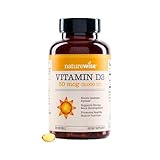

4. Iron: A Key Nutrient for Hair Health
Iron deficiency is one of the most common nutrient deficiencies worldwide, especially among women.
Iron helps transport oxygen throughout the body, including to hair follicles. Low iron levels may contribute to increased hair shedding in some individuals.
Because excess iron can also be harmful, supplementation should ideally be guided by a healthcare professional.
👉 Hair Tip: Pair iron-rich foods with vitamin C sources to improve absorption.
🛍 Shop here: Iron Supplement for Women


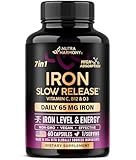

5. Zinc for Hair Growth Support
Zinc is an essential mineral involved in hundreds of biological processes.
It plays a role in tissue growth, cell repair, immune function, and maintaining healthy hair follicles. Inadequate zinc intake may contribute to hair thinning in some individuals.
Supporting overall nutritional balance can help create an environment where healthy hair growth is more likely to occur.
👉 Hair Tip: Nuts, seeds, legumes, and seafood naturally contain zinc.
🛍 Shop here: Zinc Supplement


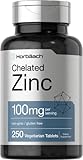
6. Omega-3 Fatty Acids for Scalp Health
Healthy hair starts with a healthy scalp.
Omega-3 fatty acids help support skin health, including the scalp, while also contributing to overall wellness. These healthy fats are found in foods like salmon, sardines, flaxseeds, walnuts, and chia seeds.
Many people include omega-3 supplements as part of their beauty and wellness routines.
👉 Hair Tip: Aim to include omega-3-rich foods in your diet regularly.
🛍 Shop here: Omega 3 Fish Oil Supplement


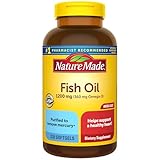

7. Multivitamins Designed for Hair Health
Sometimes multiple nutrients work together better than focusing on a single vitamin.
Hair-focused multivitamins often combine biotin, zinc, vitamin D, iron, vitamin C, and other nutrients that support overall hair wellness.
For people looking for convenience, a comprehensive formula can be an easy way to cover several nutritional bases at once.
👉 Hair Tip: Choose supplements from reputable brands that follow quality testing standards.
🛍 Shop here: Hair Growth Vitamins for Women


8. Protein Supplements for Hair Building Blocks
Hair is primarily made of a protein called keratin.
If your diet is consistently low in protein, it may affect hair health over time. Protein powders can be a convenient option for individuals who struggle to meet their protein needs through food alone.
Adequate protein intake supports many aspects of health, including muscle maintenance and tissue repair.
👉 Hair Tip: Prioritize whole food protein sources whenever possible.
🛍 Shop here: Collagen Protein Powder


9. Vitamin C for Collagen Production
Vitamin C helps support collagen production and acts as an antioxidant.
It also helps improve iron absorption from plant-based foods, making it a valuable nutrient for overall hair health.
Many fruits and vegetables naturally provide vitamin C, but some individuals choose supplements to help meet their daily needs.
👉 Hair Tip: Citrus fruits, strawberries, bell peppers, and kiwi are excellent sources of vitamin C.
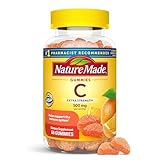
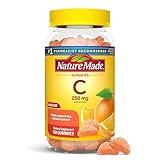
🛍 Shop here: Vitamin C Gummies


10. Probiotics for Overall Wellness
You may be surprised to see probiotics on a hair health list.
While probiotics don’t directly grow hair, gut health influences nutrient absorption and overall wellness. Supporting a healthy digestive system may help ensure your body can effectively utilize nutrients important for hair health.
A healthy gut contributes to many aspects of overall well-being.
👉 Hair Tip: Include both probiotic foods and fiber-rich foods in your routine.
🛍 Shop here: Daily Probiotic Supplement


Final Thoughts
Hair health is influenced by many factors, including genetics, hormones, stress, age, nutrition, and overall wellness. While supplements can’t guarantee hair regrowth, they may help support healthy hair when nutritional deficiencies or dietary gaps are involved.
The best approach is usually a combination of balanced nutrition, stress management, quality sleep, proper hair care, and targeted supplementation when appropriate.
Before starting any new supplement regimen, especially if you’re experiencing significant hair loss, consider speaking with a healthcare professional to identify potential underlying causes and determine the best approach for your needs.
Save this post to your Hair Growth Tips, Natural Beauty Remedies, or Healthy Hair Journey Pinterest board so you can revisit these supplement ideas whenever you’re updating your hair-care routine.
Discover more from Serenity Talks
Subscribe to get the latest posts sent to your email.


Thank you for the very important information on scalp & hair needs.